
Sequoia National Park with Toddlers: Stroller-Friendly Trails, Naps, and Altitude
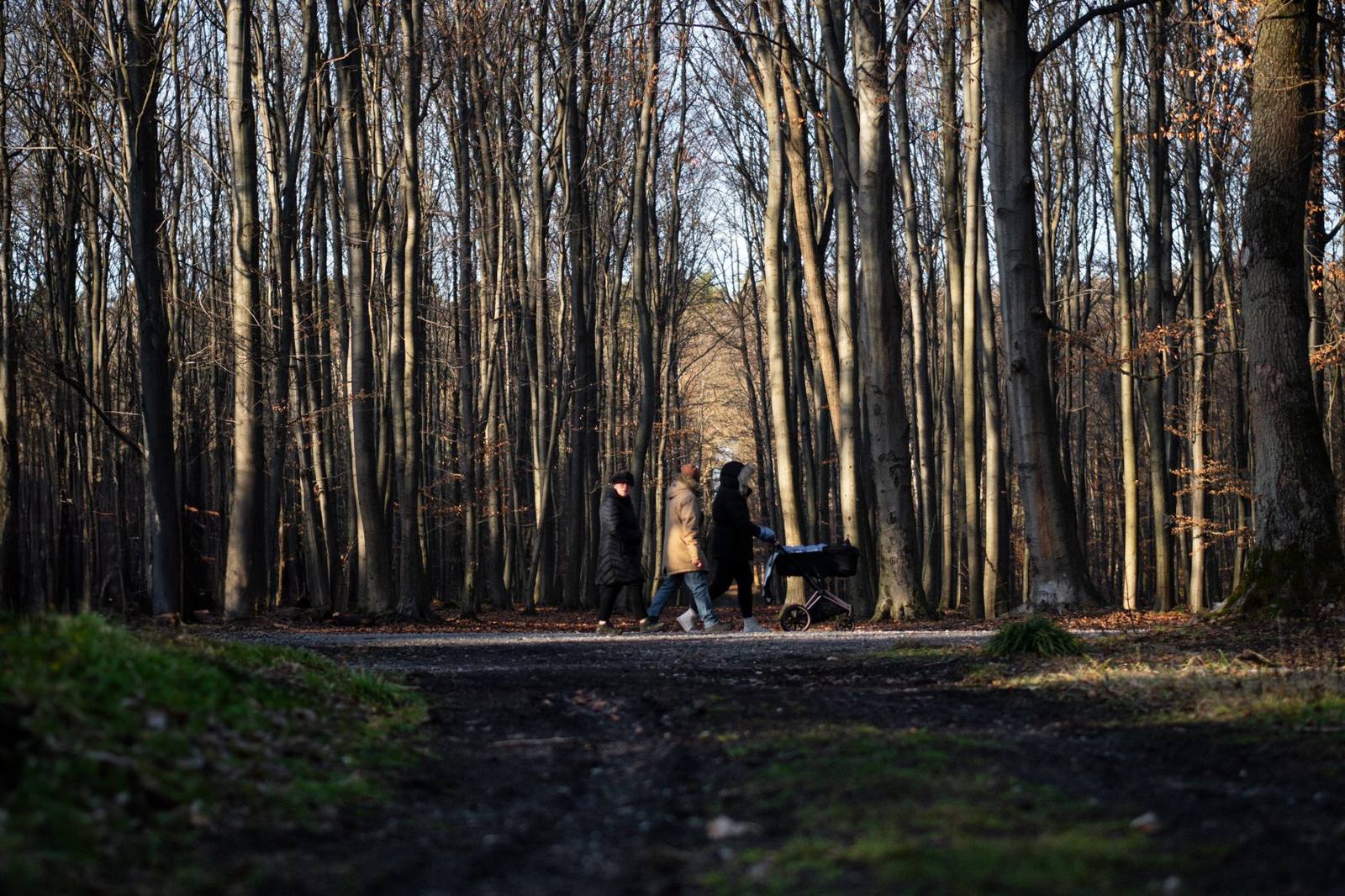
Big Trees Trail, the 500-foot Sherman Tree path, and the Grant Tree loop are paved and stroller-ready. Moro Rock is not. Naps, shuttle, bears, restrooms.
Big Trees Trail, the 500-foot Sherman Tree path, and the Grant Tree loop are paved and stroller-ready. Moro Rock is not. Naps, shuttle, bears, restrooms.
In July the foothills average 97°F and the Giant Forest 76°F; in January the groves average 42°F with deep snow. What to wear in each season, plus shoes.
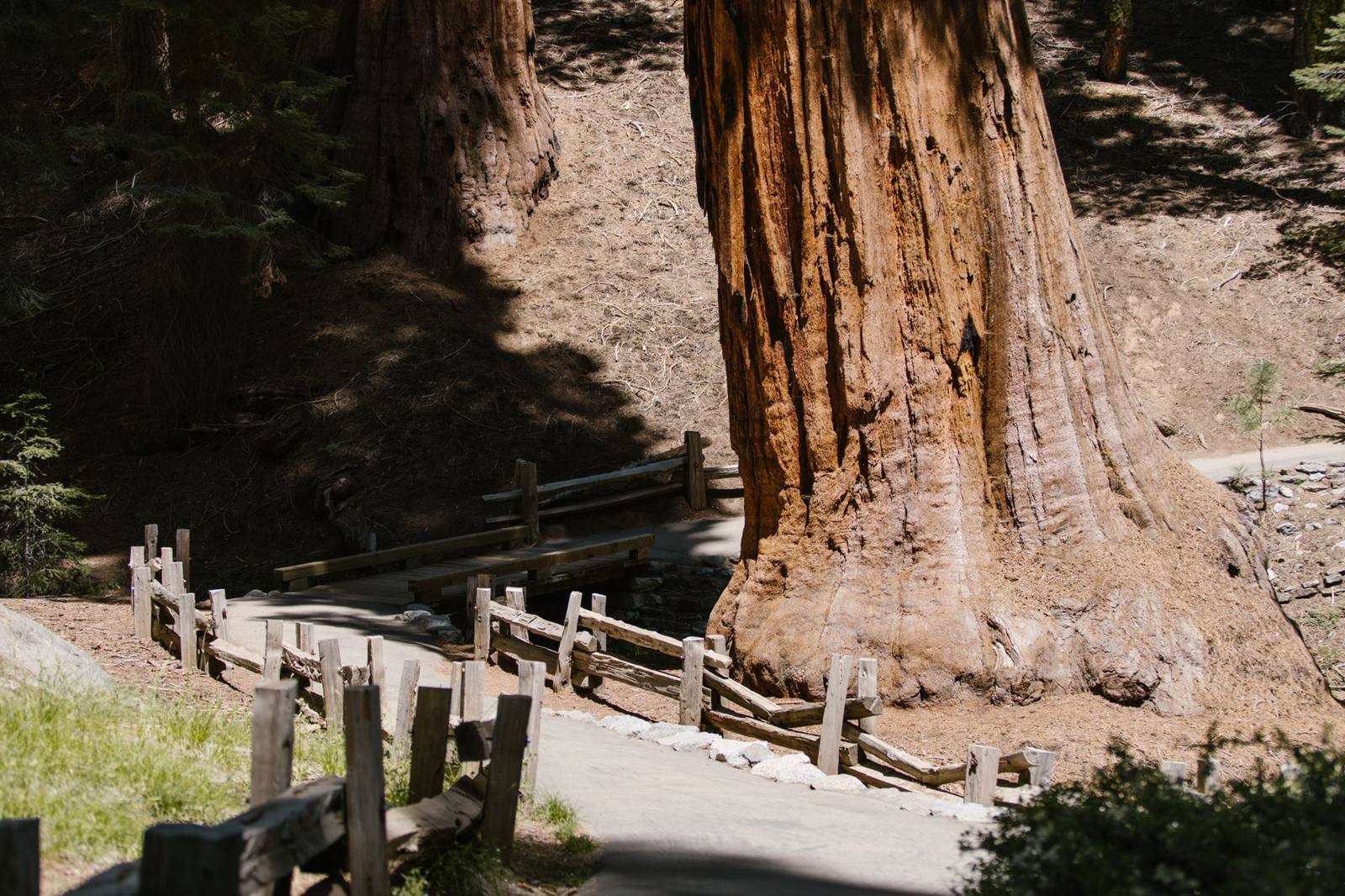
Sequoia National Park in November: 50°F highs at Giant Forest, 67°F in the foothills, Highway 180 to Cedar Grove closing, and chains possible with any snow.
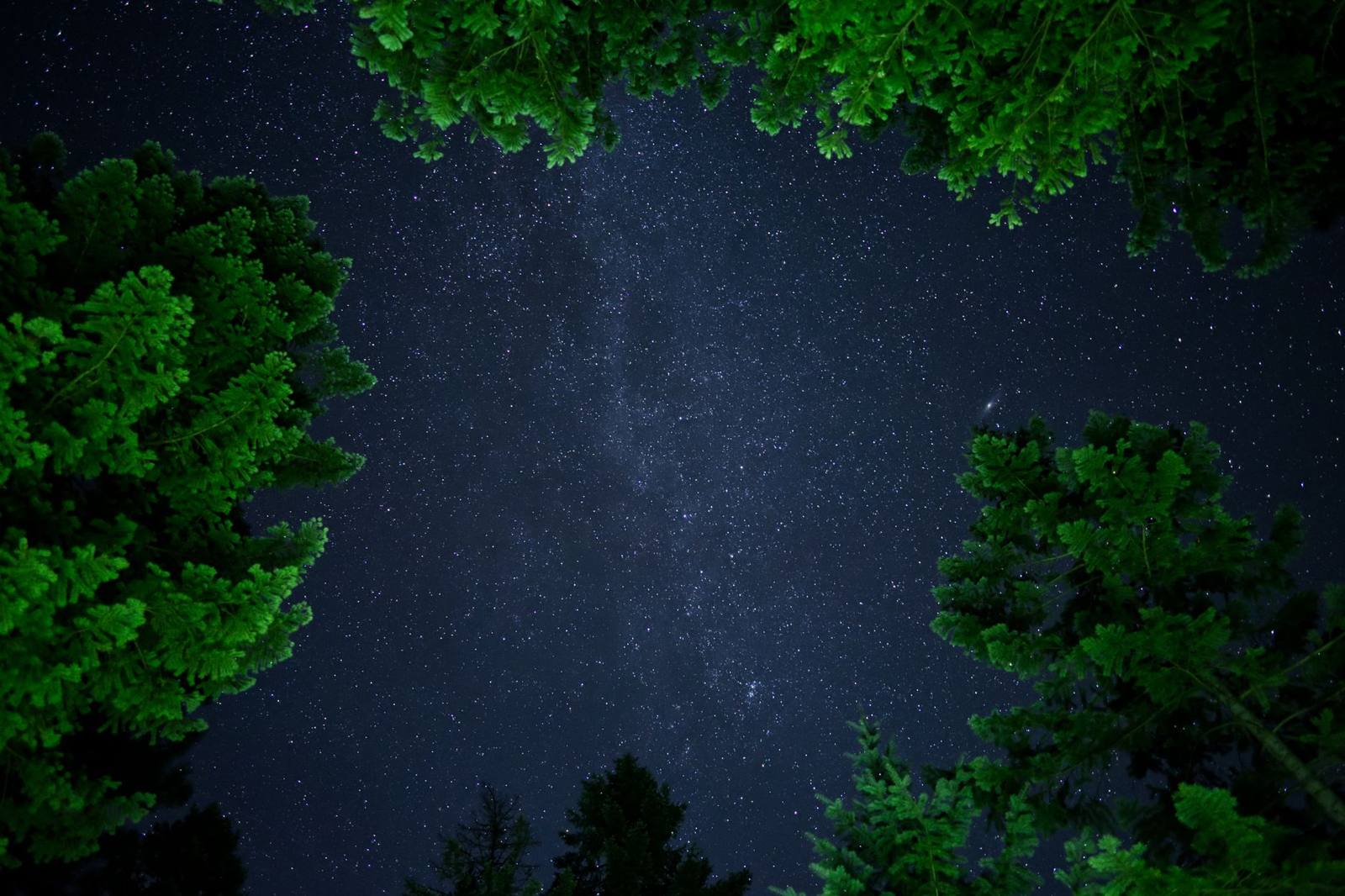
Sequoia and Kings Canyon have some of California’s darkest skies; the 2026 Dark Sky Festival runs September 11-13 across five venues and is free.
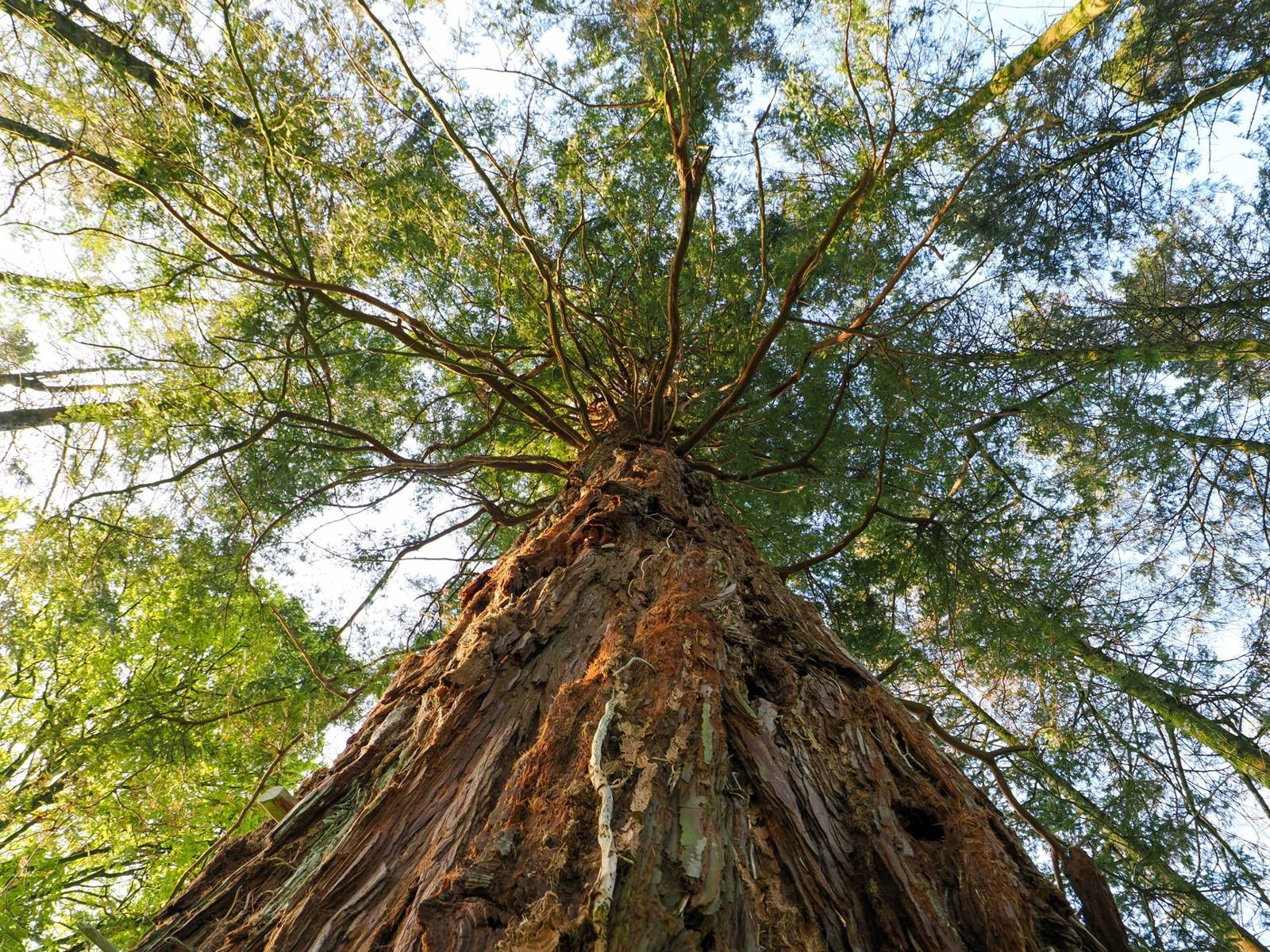
The hardest shot in Sequoia is the tallest tree: the General Sherman’s first branch alone is 130 feet up, taller than most trees in most forests.
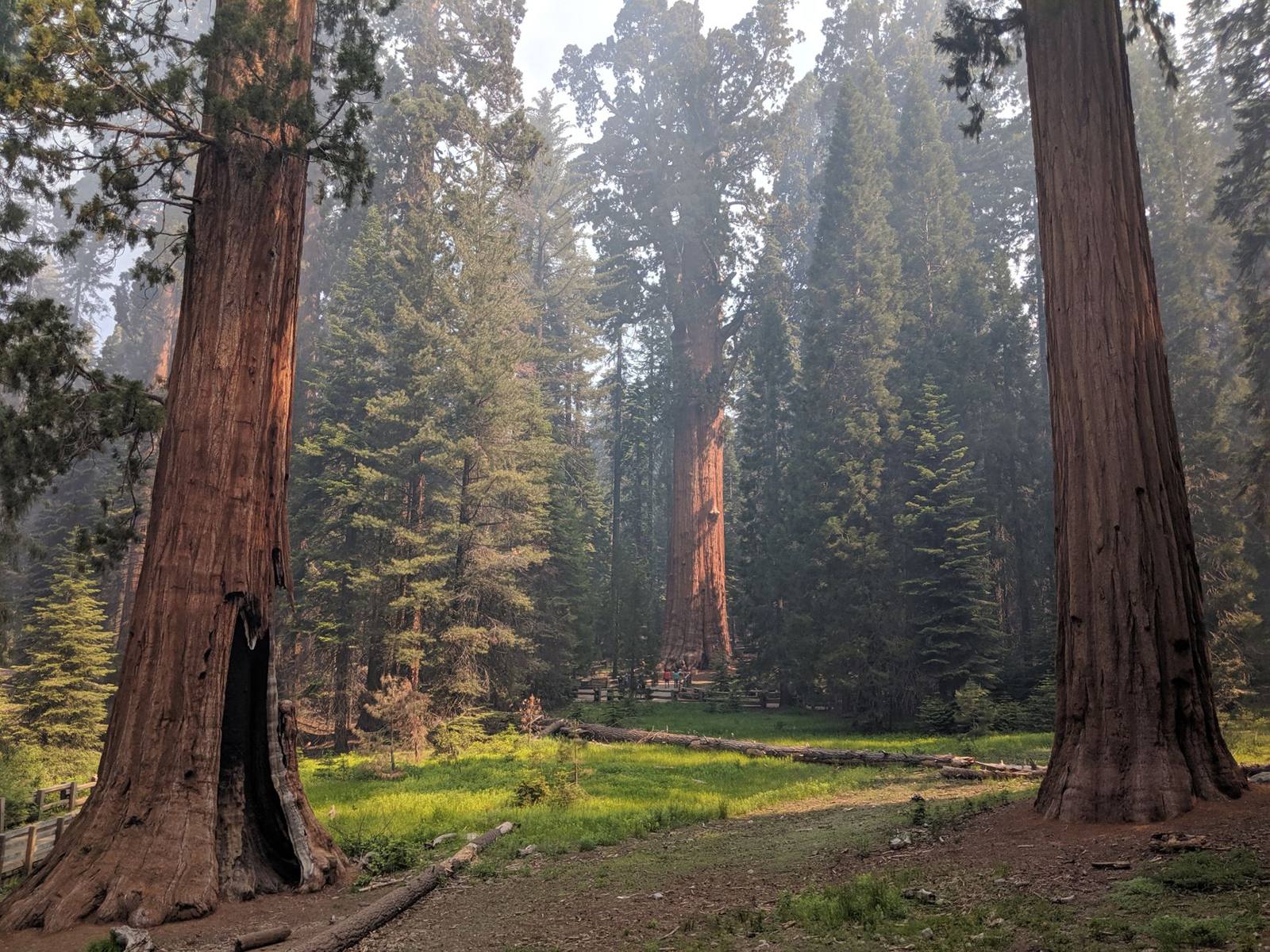
Sequoia National Park is worth a dedicated trip if you want the largest trees on Earth; it is not a good add-on if you have less than a day to spare.
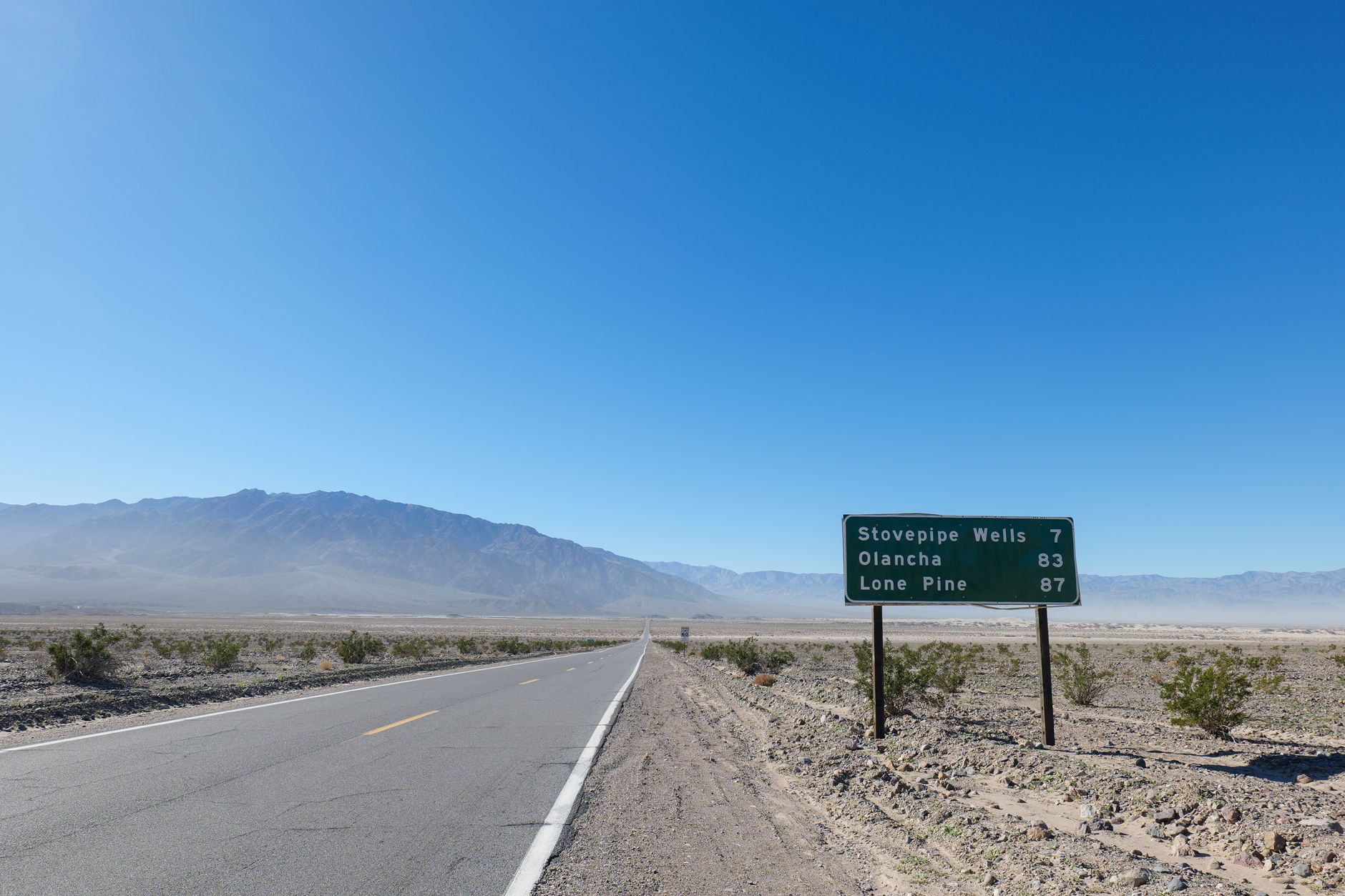
Yosemite Valley to Sequoia’s Giant Forest is about 4 hours and 175 to 185 miles. Here is the route and a realistic 4- to 5-day plan for both parks.
Fire and smoke are most likely from late summer into autumn at Sequoia National Park. How the season works, and the pages to check before you drive up.
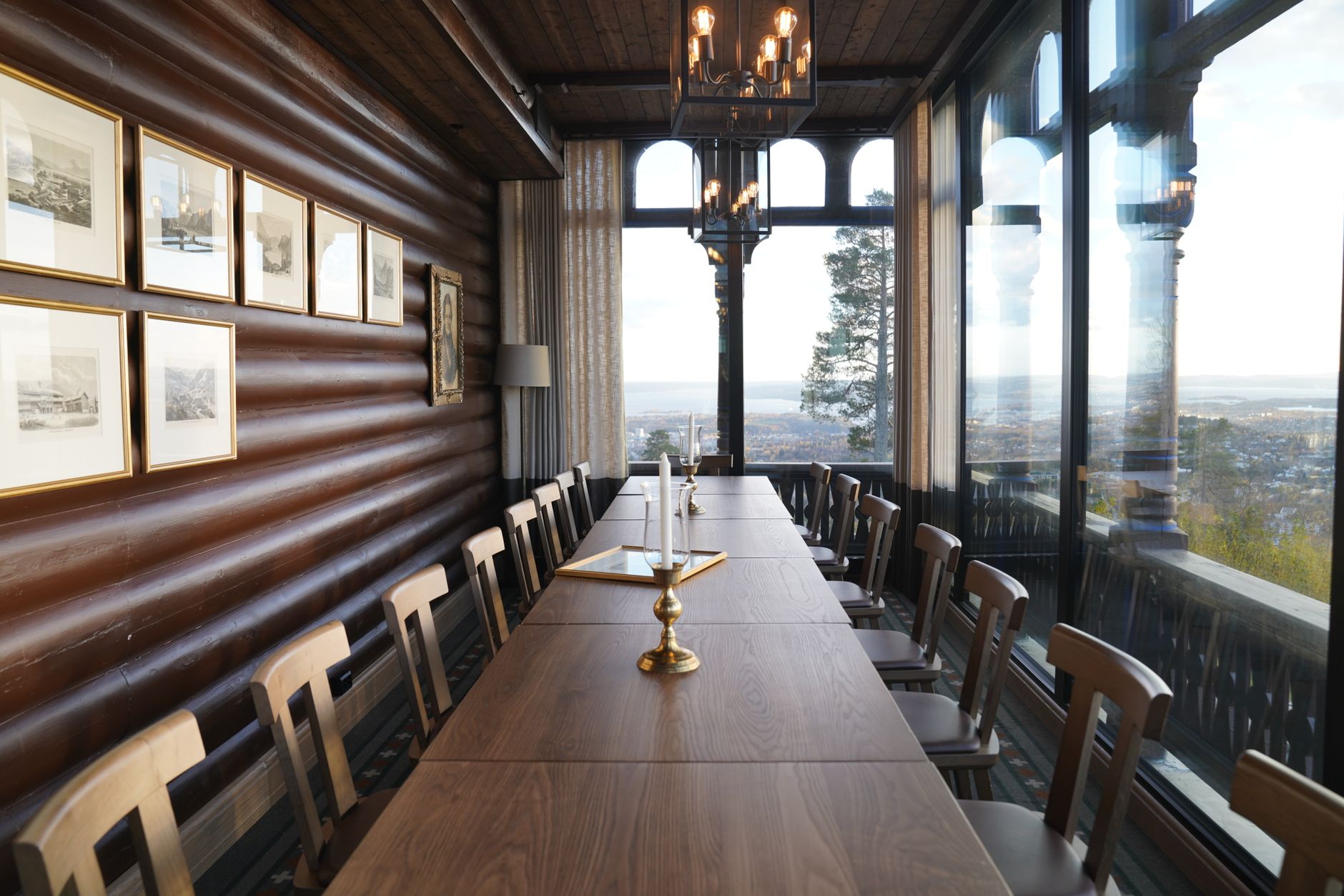
Sequoia National Park has one near-year-round restaurant, The Peaks at Wuksachi, plus seasonal grills at Lodgepole, Grant Grove and Cedar Grove.
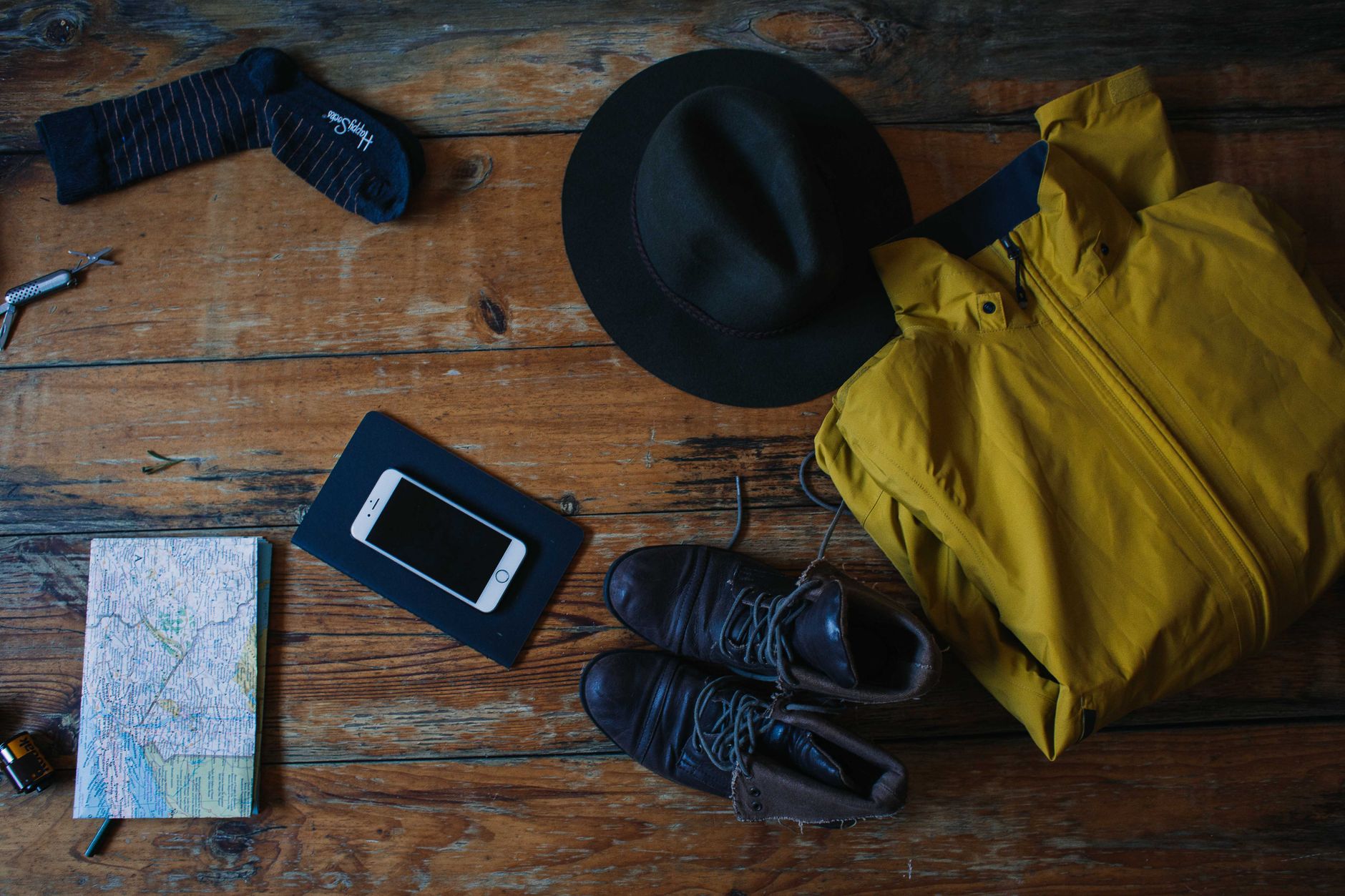
Summer and winter packing lists for Sequoia National Park, from tire chains and boot cleats to approved bear canisters and the map that covers both parks.