
Giant Sequoia vs Coast Redwood: Which One to Plant
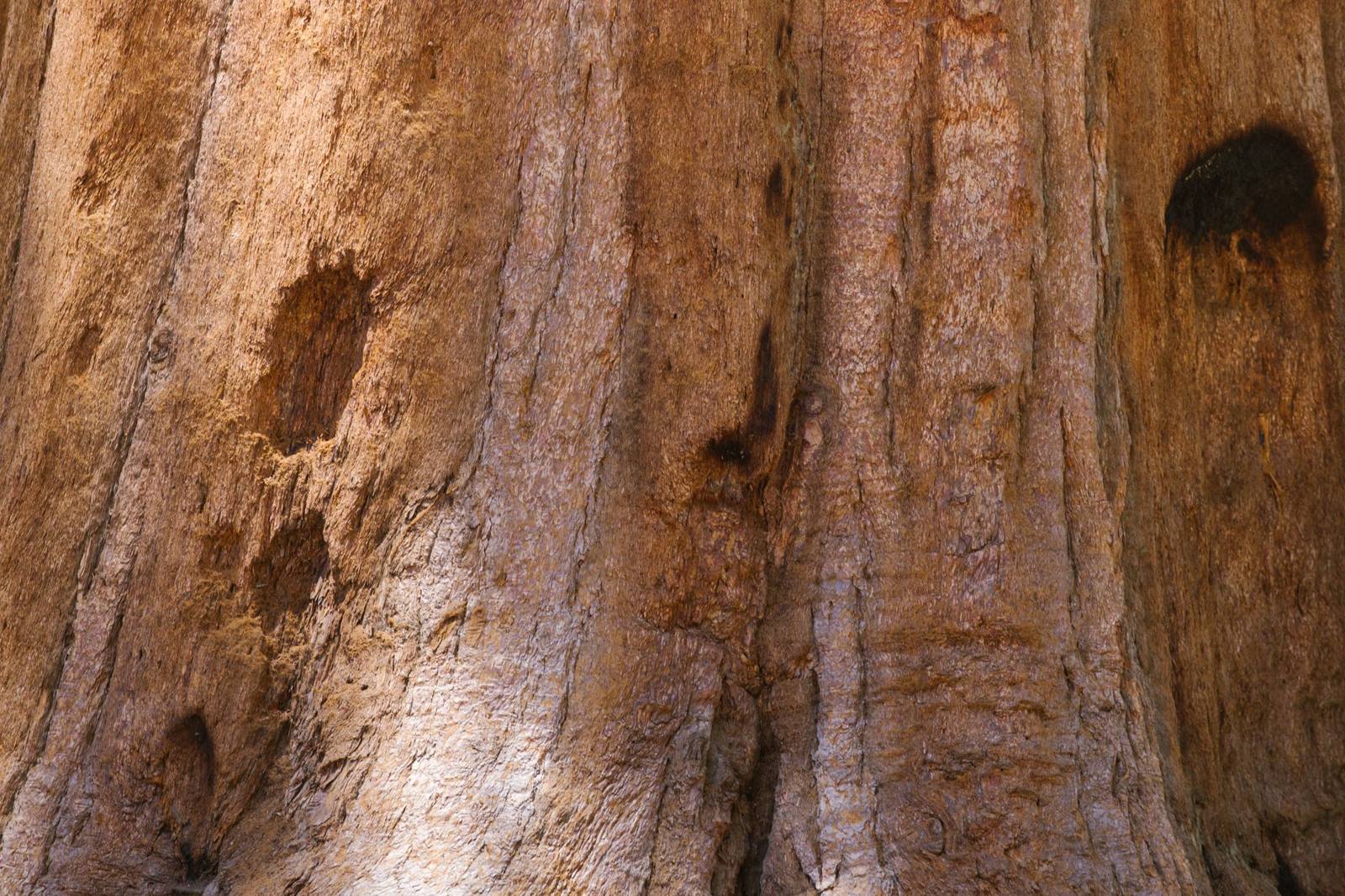
Giant sequoia (Zone 6-8) tolerates cold and dry air better; coast redwood (Zone 7-10) needs coastal fog and consistent moisture.
Giant sequoia (Zone 6-8) tolerates cold and dry air better; coast redwood (Zone 7-10) needs coastal fog and consistent moisture.
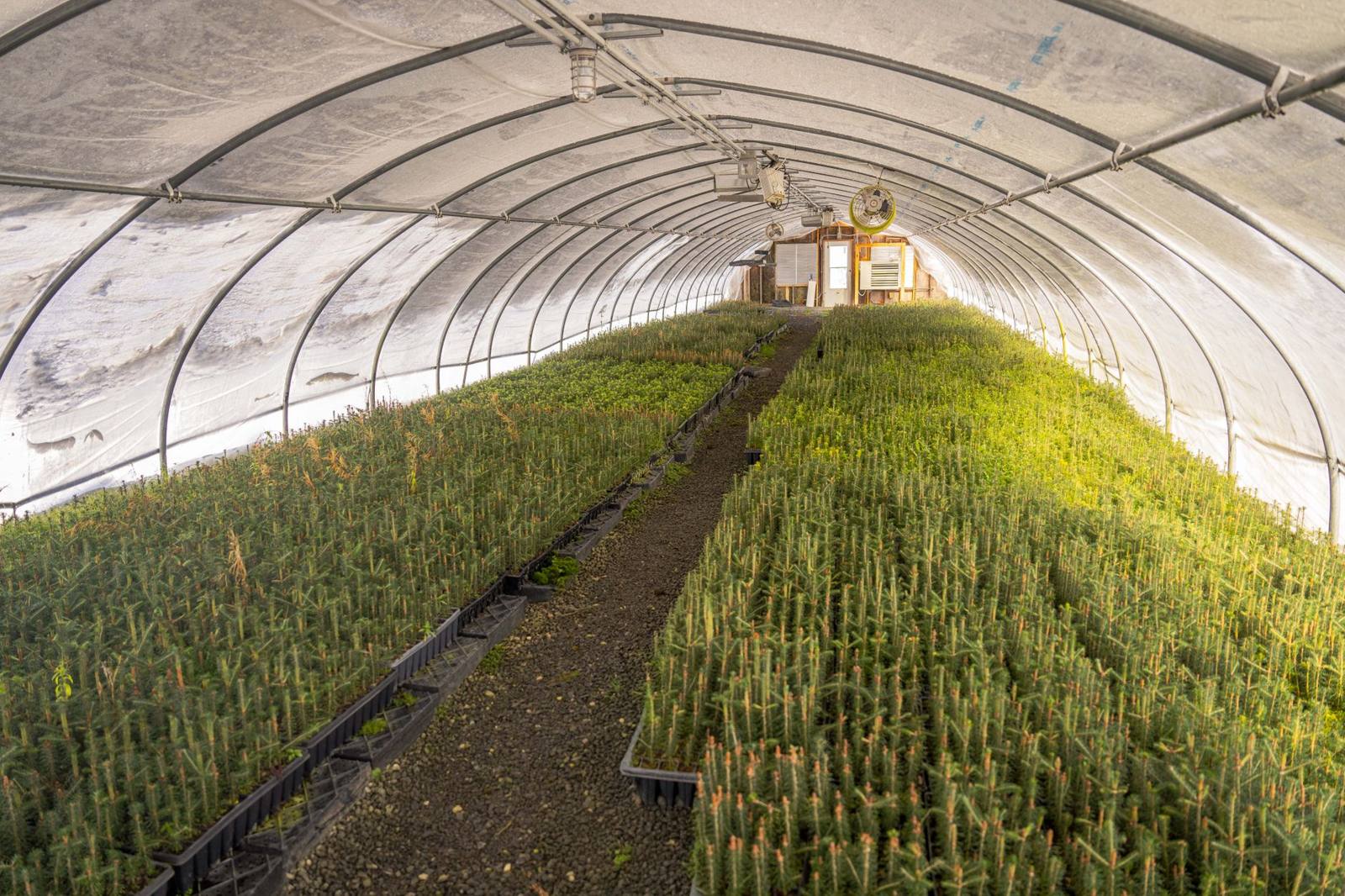
Giant sequoia cultivars like ‘Hazel Smith’ and ‘Glaucum’ add color and hardiness, but only true dwarfs like ‘Von Martin’ stay small.
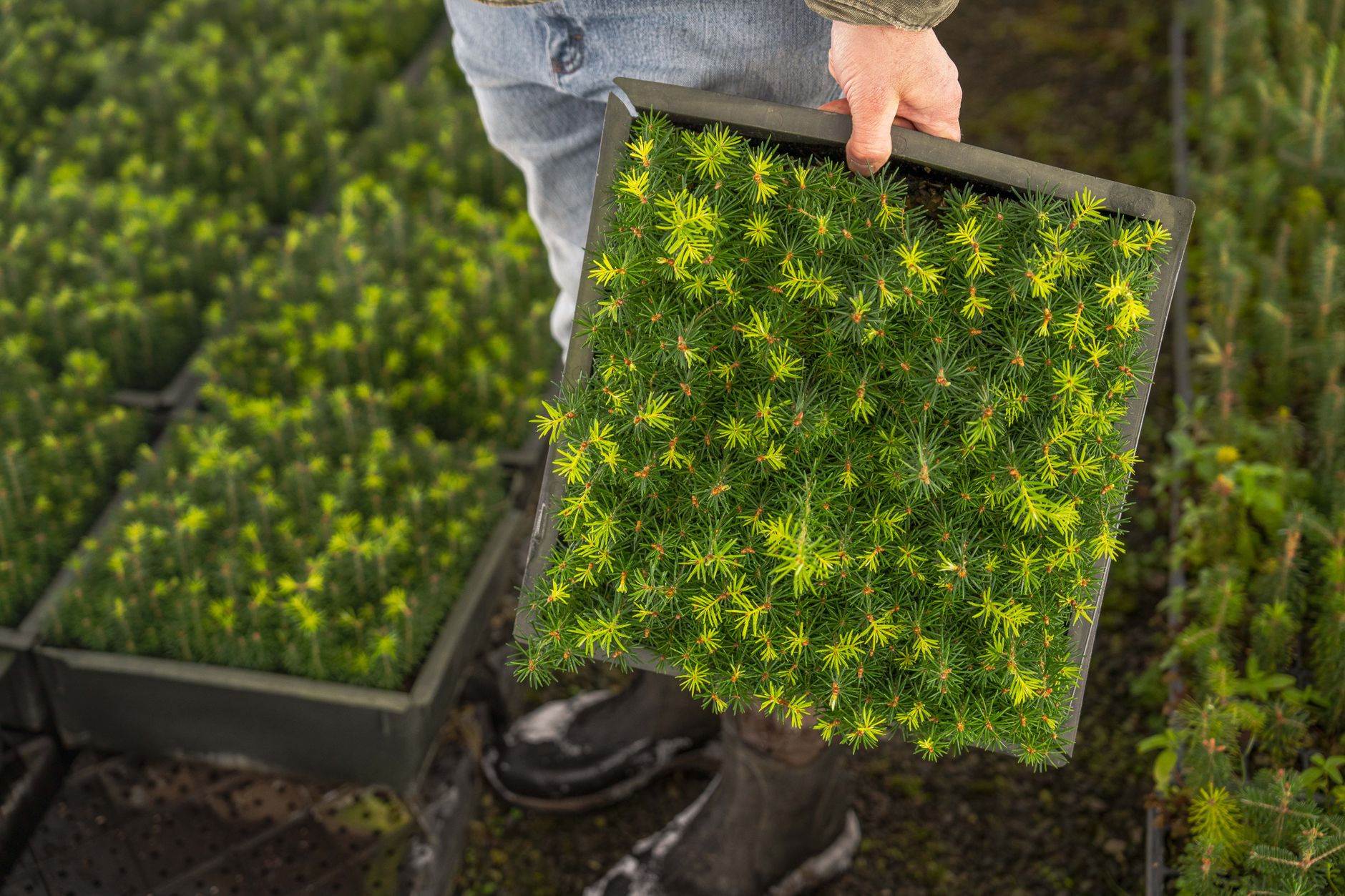
Giant sequoia seedlings come from a few specialist growers, priced from about $2.92 in bulk to $59.99 for a potted tree, as listed in September 2026.
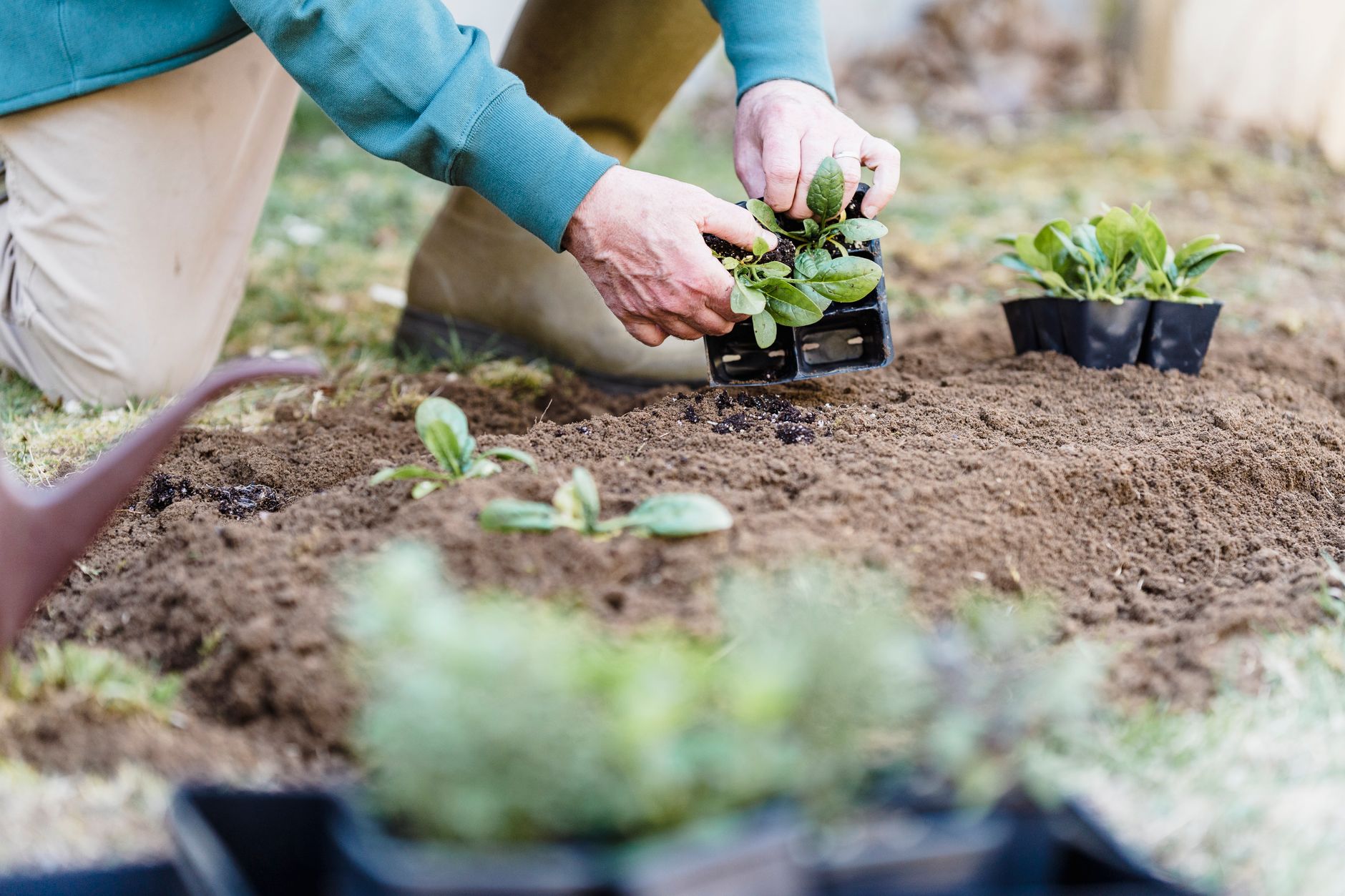
Planting a giant sequoia seedling means full sun, well-drained soil far from structures, a wide planting hole, and close watering for at least two years.
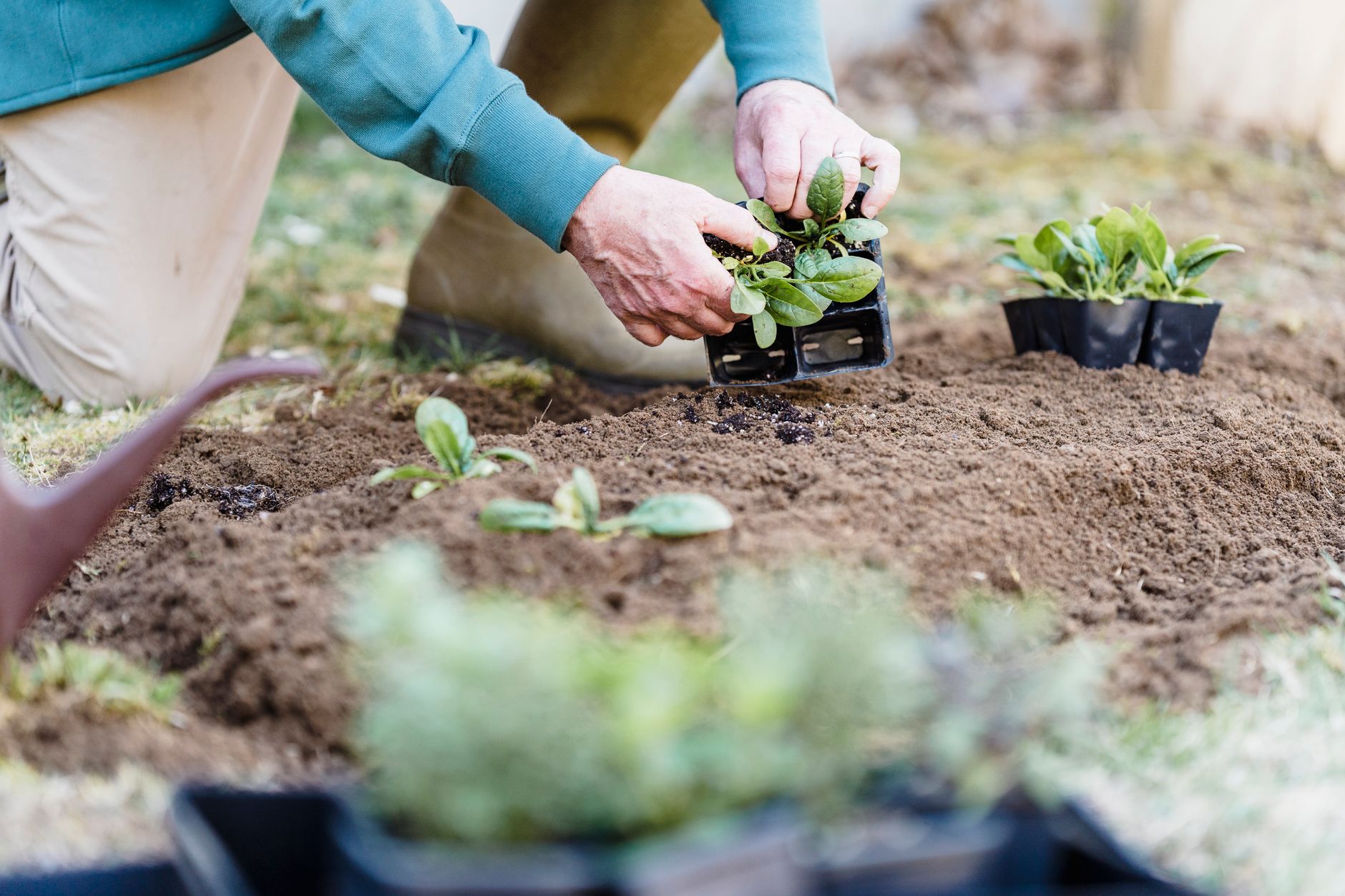
How to grow a giant sequoia from seed or seedling: stratify 30–60 days, expect 30–73% germination, plant in zones 6–8 with full sun and water, and stand back.
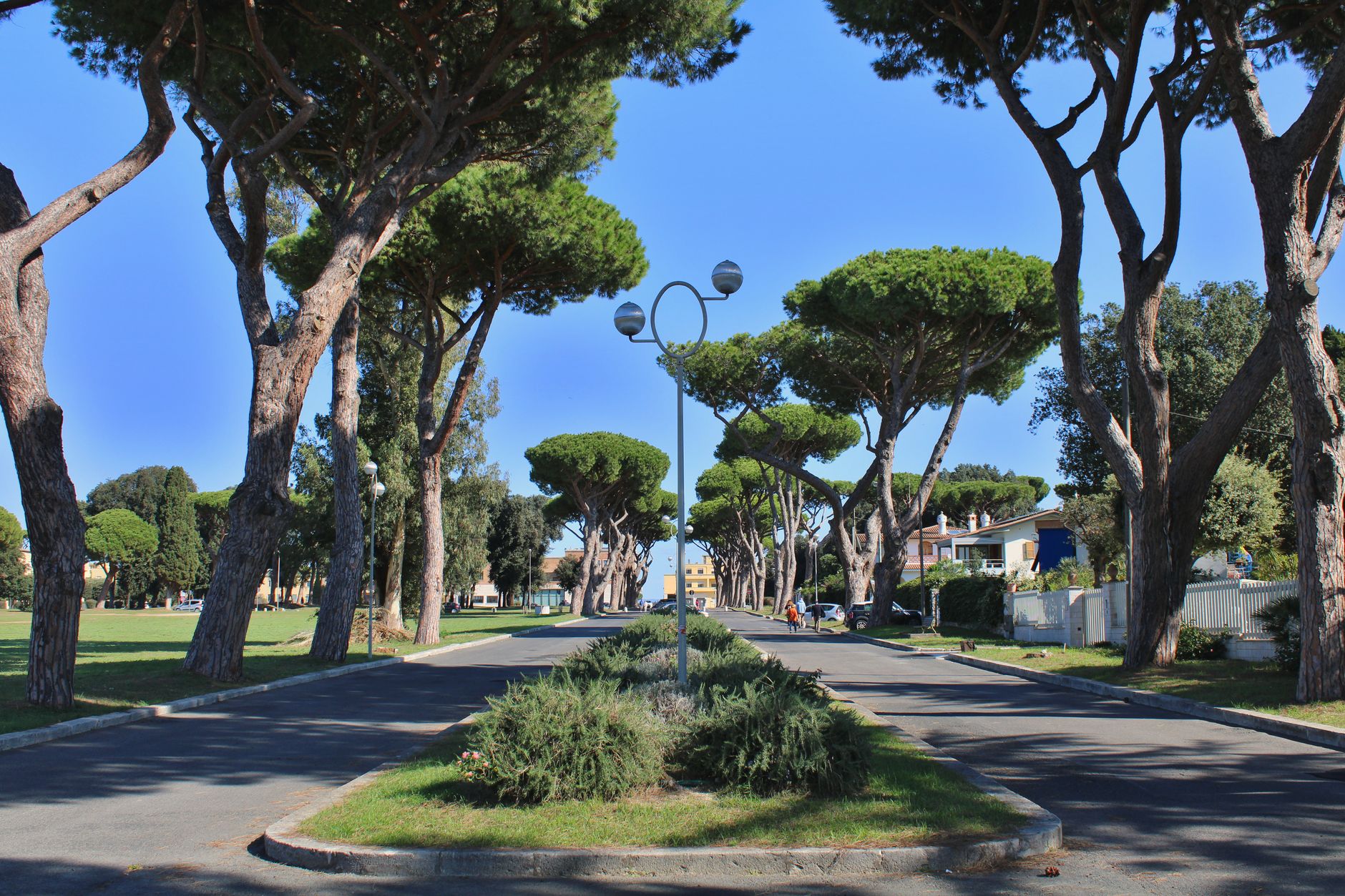
A 2024 study estimates about half a million giant sequoias and coast redwoods now grow in the UK, planted since 1853.
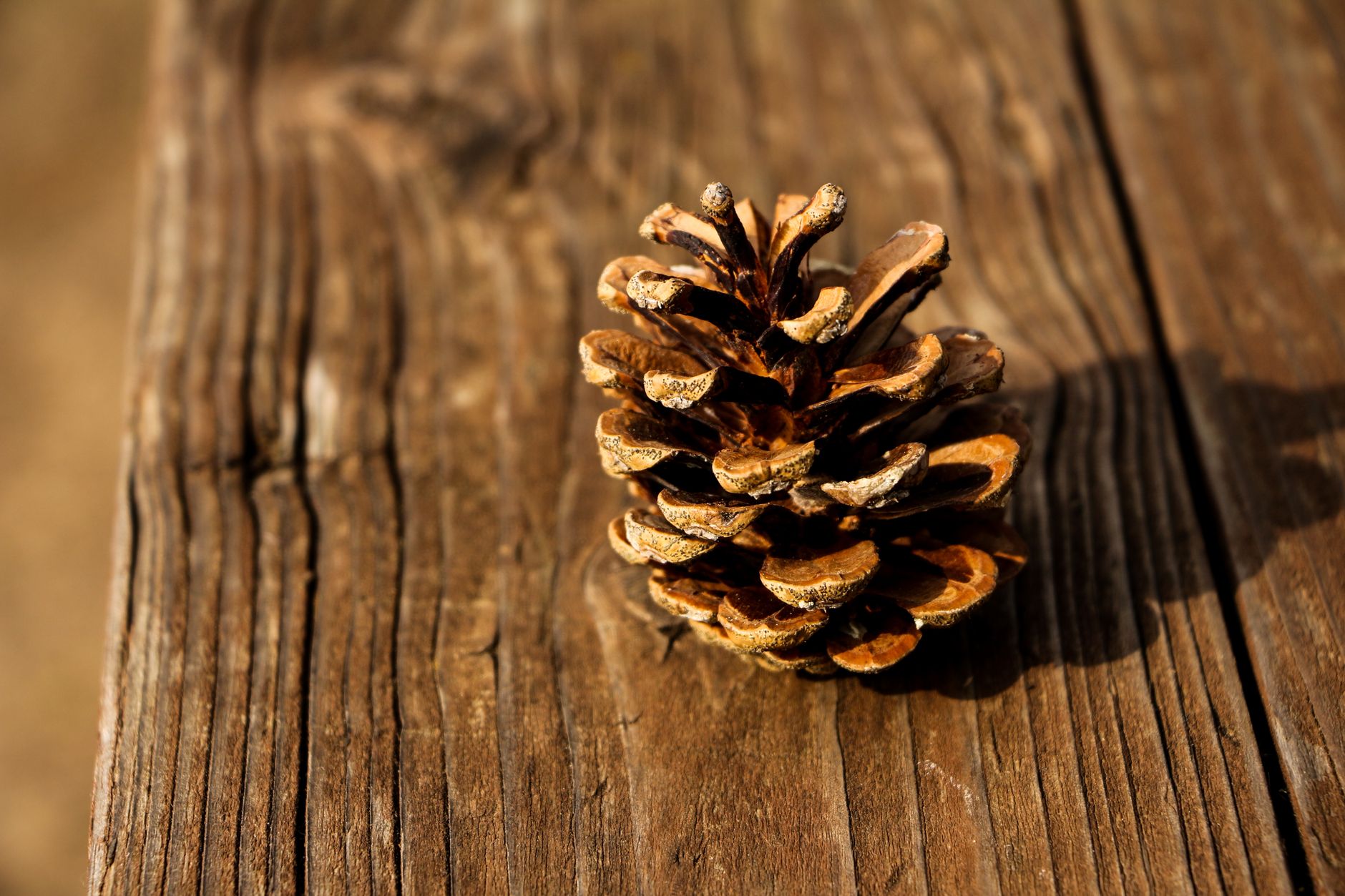
Giant sequoia seeds germinate at 30–73% in USDA trials after a soak and cold stratification. Where to buy them, what a packet holds, and the sowing protocol.
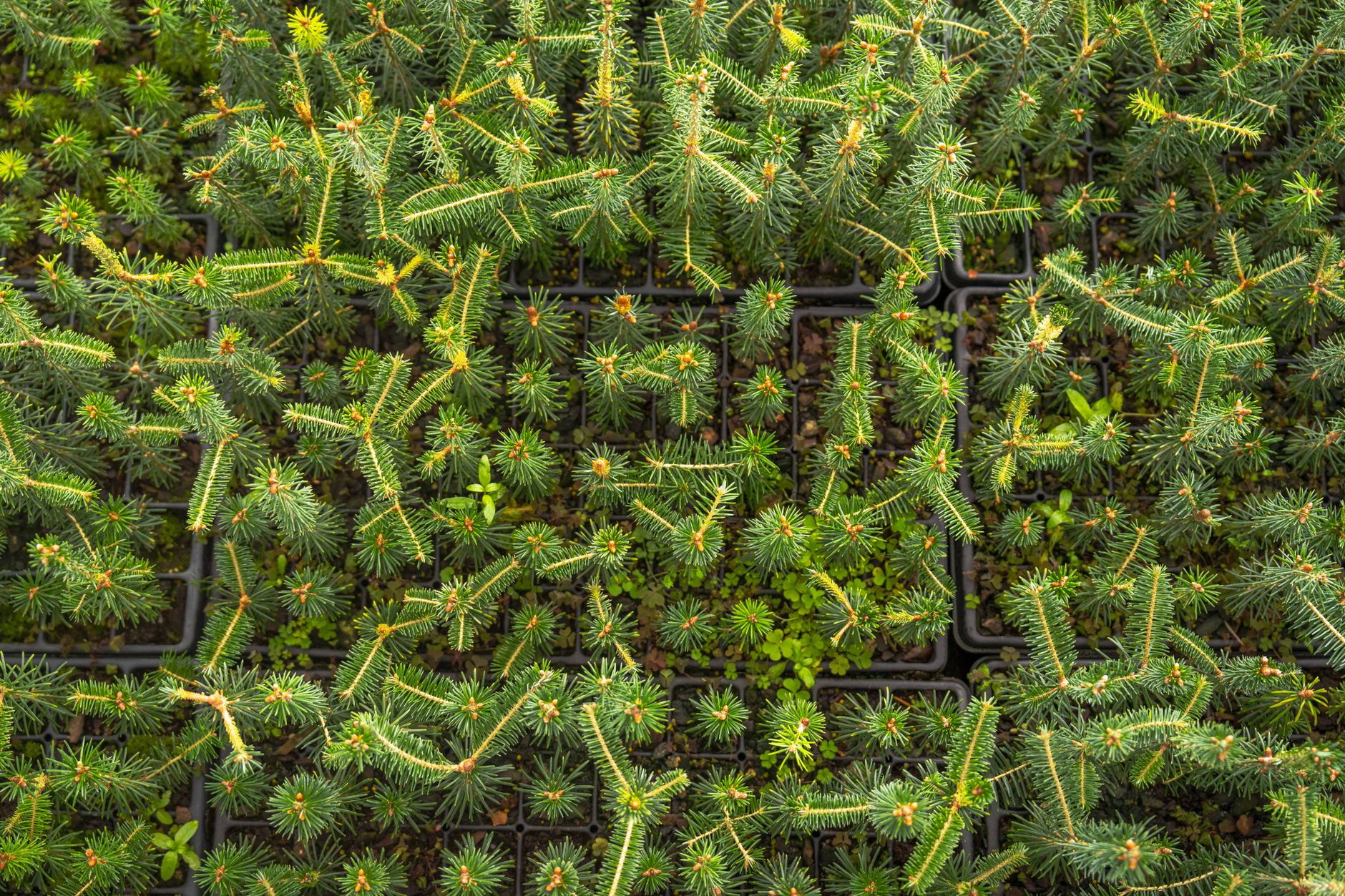
Brown giant sequoia needles usually mean overwatering, drought, heat, transplant shock, fungal disease, winter cold, or just normal inner-needle shedding.
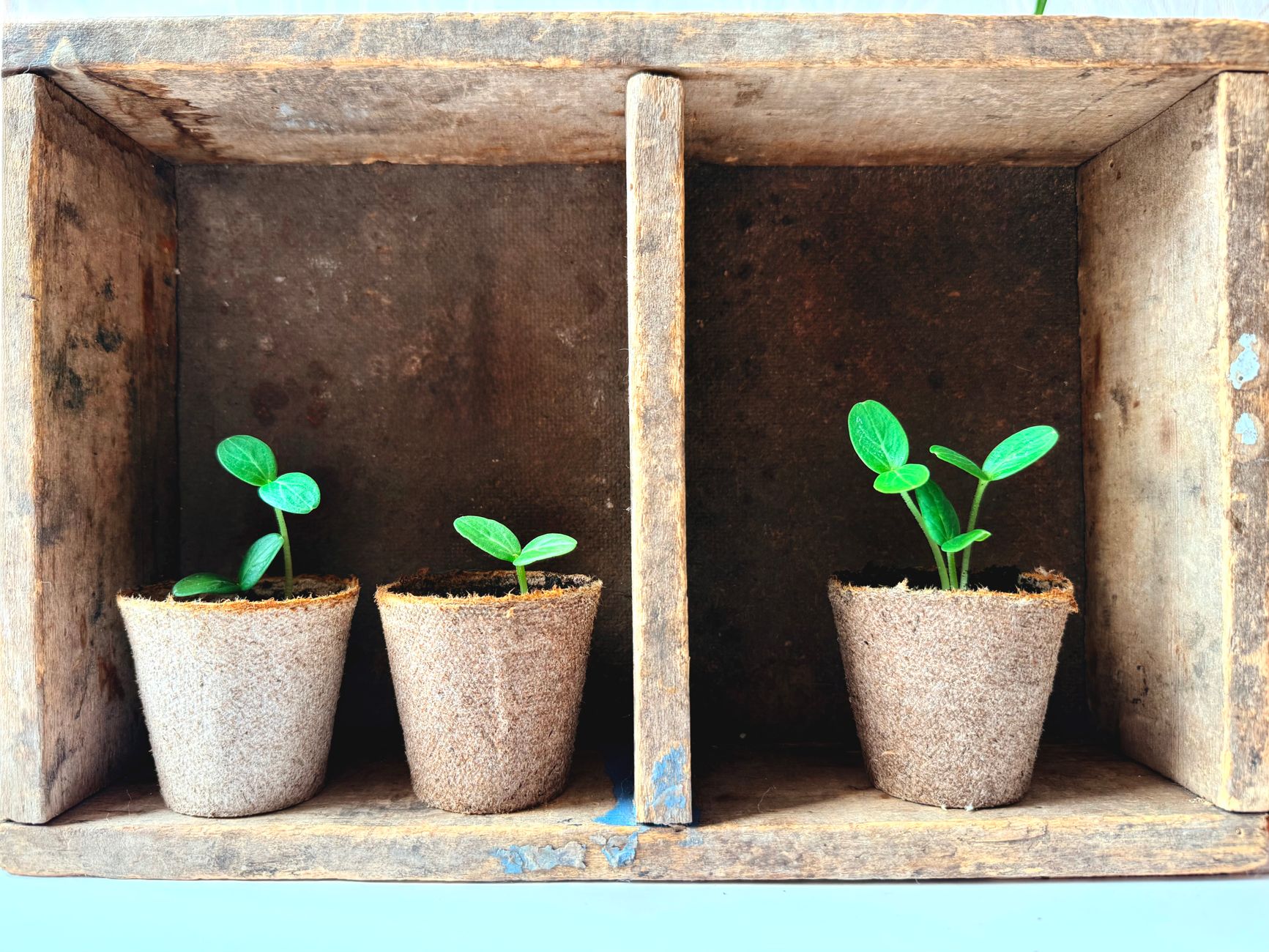
A giant sequoia seed kit is a $10.99 seed packet with a greenhouse and a guarantee. It works as often as the seed does: 30–73% germination, then the hard part.
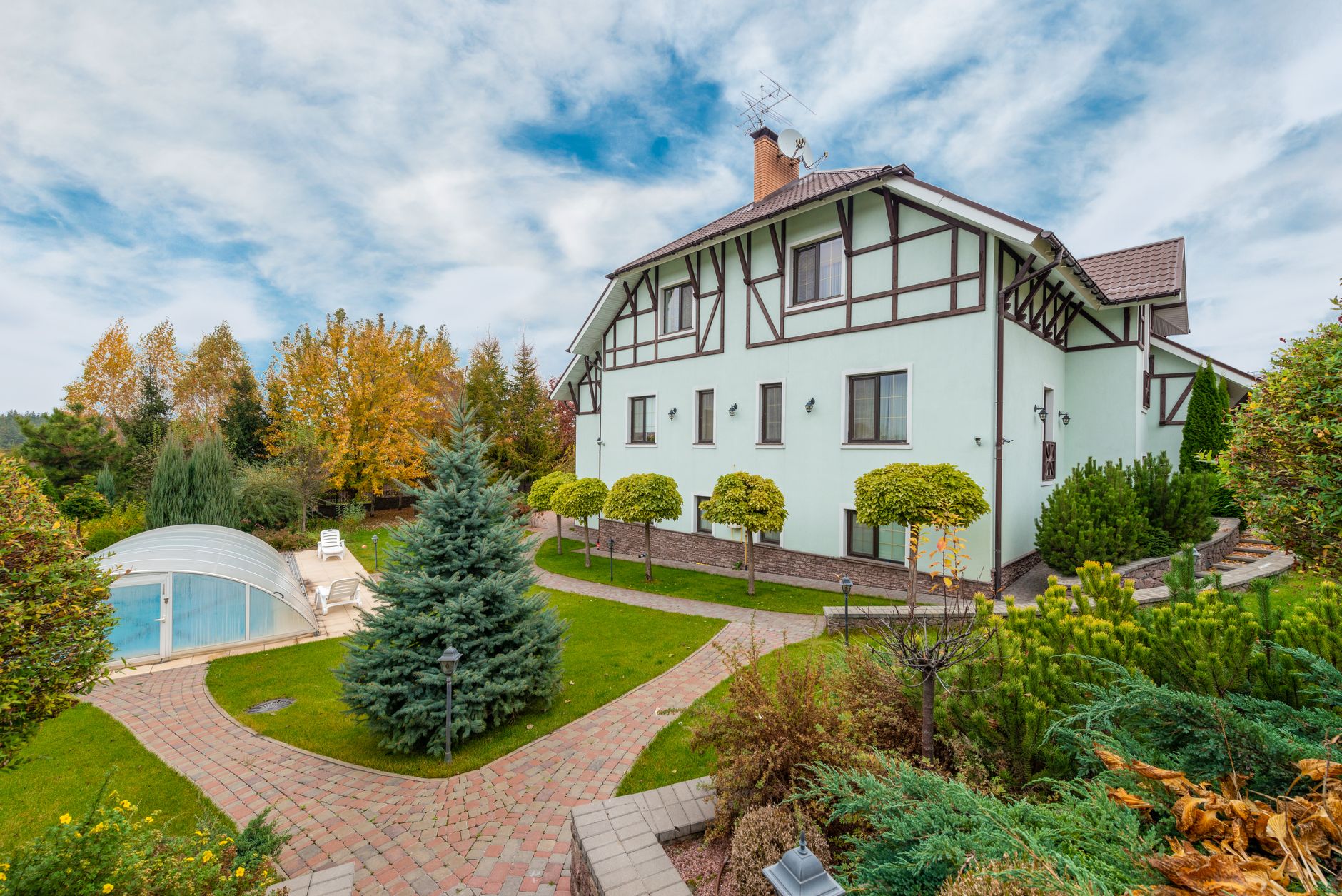
You can plant a giant sequoia in a big backyard: roots spread 2–4 times the canopy, a tree 20 ft from a house cracked its foundation, and 60–100 ft is normal.