
Growing a giant sequoia from seed takes a 24-hour soak, 30 to 60 days of cold stratification in a refrigerator, sowing 1/8 inch deep at 59–70 °F, and about two weeks of waiting; the USDA seed manual reports 30 to 73 percent germination by seedlot12. Buying a one-year-old seedling for $9.99 to $11.99 skips the stage that kills most seedlings345. Either way the tree needs USDA zone 6 to 8, full sun, deep well-drained acid soil, no clay, and at least 15 to 20 percent soil moisture year-round, and it should be planted well away from buildings, since one about 20 feet from an Oregon house cracked the foundation6789. Expect 1 to 2 feet of growth a year in the first decade, about 30 feet at year 10, and 60 feet at maturity in the eastern United States or 100 feet and more in the West101112. Hot, humid climates are a poor bet because the tree develops Botryosphaeria canker there even with good care13. Collecting cones or seeds in national parks is illegal under 36 CFR 2.11415.
- From seed: soak 24 h, stratify 30–60 days, sow 1/8 in deep, 59–70 °F, first sprouts at about 2 weeks12
- Germination: 30–73 percent by seedlot; 37.8 percent average in a Forest Service trial12
- From a seedling: $9.99–$11.99 for a one-year-old as of September 202634
- Zones: 6–8; Zone 7 by the strictest databases; ‘Hazel Smith’ to zone 56161718
- Site: full sun; deep drained acid soil; no clay; 30–60 ft from other specimen trees; far from foundations, drains, septic, paving, power lines6191020
- Water: the main cause of death in young trees is drought; never let roots dry out; about 2 years of supplemental watering919
- Growth: 1–2 ft/yr early; 30 ft at year 10; 40–60 ft at year 20; over 100 ft at year 50 on good sites1011
- Legal: no collecting cones or seeds in national parks (36 CFR 2.1); national forests need a permit1421
Disclosure: some links on this page are affiliate links, marked by the products, tours and hotels they name. As an Amazon Associate, sequoia.info earns from qualifying purchases. A purchase through these links may earn the site a commission at no cost to you, and it never affects what is recommended. How this works.
Sequoiadendron giganteum, the giant sequoia, is the largest tree on Earth by volume, native to about 75 groves on the western slope of California’s Sierra Nevada, and it is also a tree that people grow from a packet of seed in Michigan, Boston, Boise, and Victoria, British Columbia223523242526. This is the complete guide to doing that: sourcing seed or a seedling, germinating and raising a seedling through its first year, choosing a site and climate that will not kill the tree in its second decade, planting, the first two years of care, and what the tree does over the next century. The site earns a commission on purchases made through product links, which does not affect what is recommended.
Guides in this section
Each stage below has its own page with the full detail and sources.
- Giant sequoia seeds: where to buy them and how to germinate them
- Giant sequoia seed grow kits: do they actually work?
- Where to buy giant sequoia seedlings: nurseries compared
- Can you plant a giant sequoia in your backyard?
- How fast do giant sequoias grow? Year 1 to year 100
- Giant sequoia hardiness zones: where in North America they will survive
- Giant sequoia care: watering, soil, fertilizer, and first-winter protection
- Why your giant sequoia seedling is turning brown
- Giant sequoia bonsai: can it be done?
- Growing a giant sequoia in a pot
- How to plant a giant sequoia seedling, step by step
- Giant sequoia cultivars for smaller yards: ‘Pendulum’, ‘Glaucum’, ‘Hazel Smith’
- Giant sequoias in the UK and Europe
- Giant sequoia vs coast redwood: which one to plant
Step 1: Decide whether the tree can live where you are
Most failed giant sequoias were planted in the wrong place, and the failure takes years to show. Three things decide it.
Winter cold. NC State Extension rates the species for USDA zones 6a through 8b; the Gymnosperm Database and Trees and Shrubs Online say Zone 7, with a cold limit of 0 to 10 °F61617. Michigan nurseries sell it for zones 5 to 9 with winter protection for the first two or three years, and the cultivar ‘Hazel Smith’, which descends from the one seedling that survived a New Jersey winter on an outdoor bench around 1960, is rated as thriving in Zone 541827.
Summer heat and humidity. The native groves sit at 4,600 to 7,100 feet, fed by snowmelt, with 35 to 55 inches of precipitation falling mostly between October and April7. UC IPM lists the species as a common host of Botryosphaeria canker, which attacks trees that are drought-stressed or grown away from their native habitat, especially at warmer sites, and states that the tree will develop the disease in consistently hot climates even with good care13. A West Virginia extension agent put the comfortable summer ceiling at maximum temperatures around 75–84 °F9. The Forest Service’s own review says that outside its native range the species is highly susceptible to, and sometimes rapidly killed by, several organisms28. The Southeast, the Gulf Coast, Texas, and Florida are poor bets; the Pacific Northwest is the best region outside California, and verified trees stand in Seattle at 80 feet, Boise at about 100 feet, Manistee, Michigan at 116 feet, and Boston, where 60 feet is the typical mature size1223242529.
Soil. Deep, well-drained loam, silt, or sand with an acid pH. The species is intolerant of clay, of standing water, and of compaction, and it dislikes limy ground6103031.
The full region-by-region picture, including Canada, is on the giant sequoia hardiness zones page. If the answer is no, the page comparing giant sequoia and coast redwood for landscaping covers the alternatives: dawn redwood for cold or wet sites and hot-humid regions, coast redwood for mild foggy ones323334.
Step 2: Decide whether you have the room
In a garden the tree reaches about 60 feet in the East and 100 feet or more in the West, with a spread of 25 to 60 feet612. Its roots stay within 3 to 5 feet of the surface but reach 100 to 150 feet from the trunk on old trees, typically two to four times the canopy width82035. The Eugene, Oregon case is the one to remember: a homeowner with a giant sequoia about 20 feet from a 1960s house reported foundation cracks and misaligned doors, and the extension agent confirmed the tree could be the cause8. Nurseries advise 30 to 60 feet between specimen trees and clear distance from foundations, retaining walls, drains, septic systems, paving, and power lines191020.
For a yard that cannot take a 60-foot evergreen, ‘Pendulum’ reaches about 12 feet in 10 years as a narrow weeping column and ‘Glaucum’ about 16 feet by 4.5 feet3637. The space question, the regret scenarios, and the cultivars are on the pages about a giant sequoia in your backyard and giant sequoia cultivars.
Step 3: Seed or seedling
Where seed comes from
A giant sequoia cone holds about 200 to 230 seeds, each the size of an oat flake, and 78,500 to 91,000 of them weigh a pound13835. You cannot collect them in a national park. Under 36 CFR 2.1, possessing, removing, or disturbing plants or plant parts is prohibited, and the NPS names seeds explicitly, so a cone picked up in the Giant Forest, Grant Grove, or the Mariposa Grove is a violation1415. National forests require a permit; San Bernardino National Forest’s application can take weeks21. Commercial seed comes from squirrel-cut cones and permitted collections, and the reputable vendors label the source139.
As of September 2026, TreeHelp sells 40 hand-sorted seeds for $6.00; Sheffield’s Seed Company sells a 2025 crop from Mountain Home, California, tested at 36 percent germination; and the Jonsteen Company’s seed grow kit, with medium, perlite, a mini-greenhouse, and a replacement guarantee, is $10.99394041. The vendors are compared on the giant sequoia seeds page, and the kit question, which comes down to whether you want a project or a tree, on the seed grow kits page.
Where seedlings come from
Jonsteen sells a roughly one-year-old seedling for $9.99, a medium one- to two-year-old for $19.99, and a two- to three-year-old in a 2-gallon pot for $59.99; National Sequoias in Michigan sells a one-year-old sapling for $11.99; Cold Stream Farm, also in Michigan, sells bare-root 3- to 6-inch seedlings from $11.64 each down to $2.92 in lots of 100; and Welker’s Grove Nursery in Auberry, California sells container trees at $25 to $35 and is authorized to ship to every US state34542434445. Jonsteen replaces a tree that dies despite honest care for the cost of shipping46. The comparison is on the where to buy giant sequoia seedlings page.
A seedling is the better buy for anyone who wants a tree. In native groves, 39 percent of seedlings die in their first summer and another 25 percent over the following nine months, and mortality slows sharply only after two or three years35. A nursery seedling has been through that.
Step 4: Germinating seed
The protocol comes from the USDA Woody Plant Seed Manual and a 1981 Forest Service stratification trial, and the vendor instructions match it123940.
- Soak the seed 24 hours. The Seed Manual’s best result, a 55 percent average, used a 24-hour leach in running water1.
- Stratify in a sealed plastic bag in the refrigerator at about 36 °F (2 °C). Six weeks gave the Seed Manual’s best result; the Forest Service trial recommends at least 60 days; vendors print 301239. Unstratified seed reaches the same final percentage but comes up slowly and unevenly over as long as four months2.
- Sow no deeper than 1/8 inch (3 mm) in a sterile, soil-less mix, in clean containers139. Seed must germinate within a half-inch of the surface47.
- Hold at 59–70 °F in bright shade. A constant 43 °F is too cold, 86 °F too warm, and 10 to 20 days of full sun can kill the embryo before it germinates147.
- Wait about two weeks for the first sprouts, which look like blades of grass about an inch tall when the seed coat drops, and a month for the rest247.
- Prevent damping-off. The Seed Manual flags it as serious for this species: water early in the day, keep water off the foliage, run a fan. Penn State adds a sterile mix, no crowding, and bottom heat holding 70–75 °F148.
Expect 30 to 73 percent germination by seedlot, 37.8 percent on average in the Forest Service trial, and less on a kitchen counter12. Sow the whole packet. The seed page has the complete protocol with every temperature and percentage.
Step 5: The first year
The seedlings belong outdoors as soon as they are up and hardened off. When a beginner’s five kit seedlings collapsed near a window, experienced growers on a bonsai forum said living-room conditions, with stagnant dry air and weak light, are near-certain death for most trees; move them outside after frost, into shade first, then sun49. National Sequoias says seedlings tolerate indoors only temporarily, and Welker’s Grove says a heated house disrupts dormancy450.
Water is the balance to strike. Overwatering causes root rot; drying out is what kills most seedlings in the wild428. Jonsteen’s guidance is a sunny location and letting the root zone dry between waterings41. Spider mites, favored by dry indoor air, drought, dust, and high nitrogen, are the likeliest pest on a seedling kept inside; irrigation, washing the foliage, and horticultural oil are the controls51.
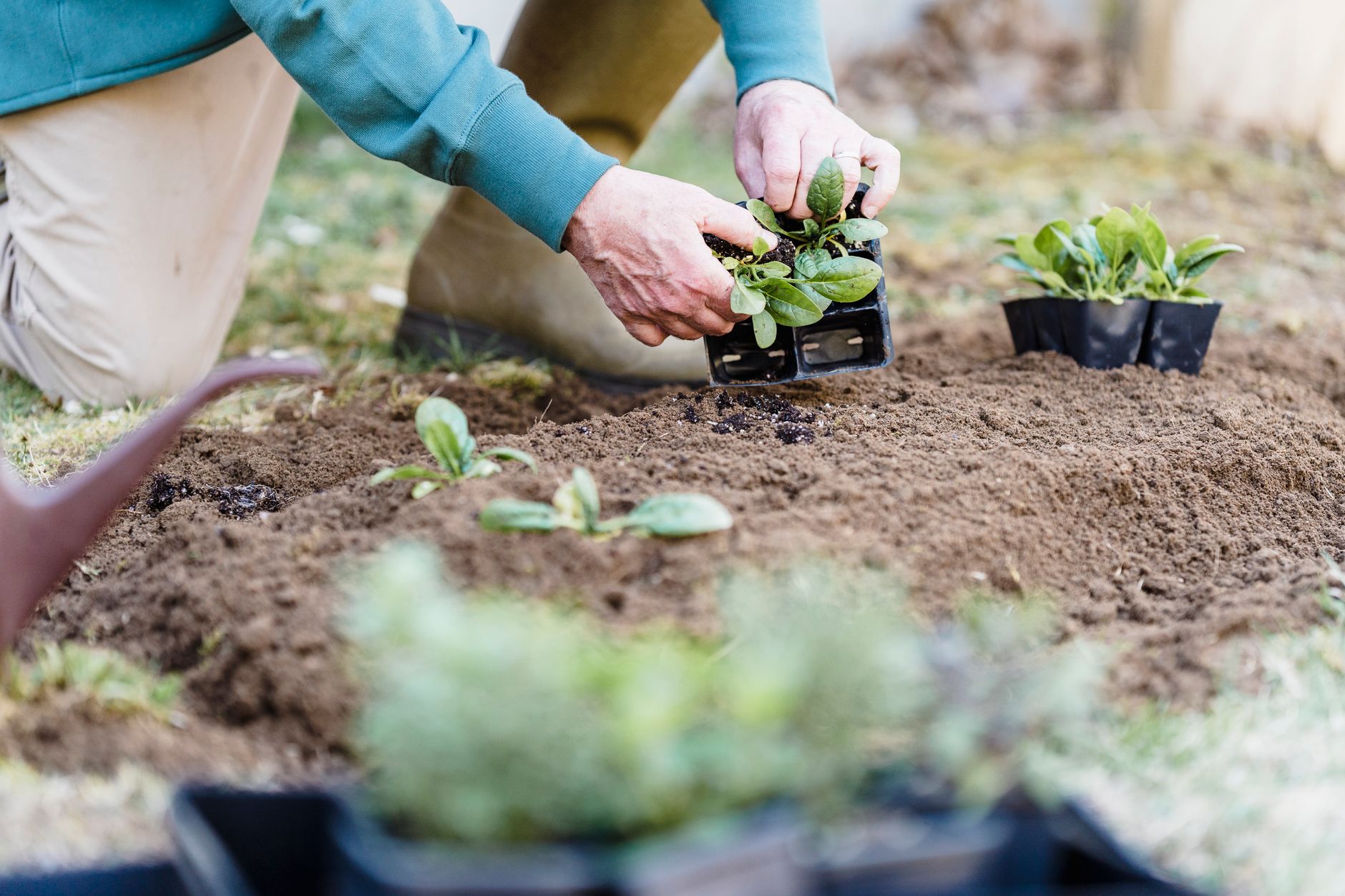
First-season growth is 2 to 10 inches from seed, or 4 to 8 inches by a US nursery’s estimate, and the taproot may reach 10 to 15 inches by the second season, so use a deep pot102852. A 1- to 3-gallon container carries the tree through its first one or two years, after which it goes in the ground4. Problems at this stage, and what each symptom means, are on the page about why a giant sequoia seedling turns brown. Anyone planning to keep the tree in a container longer should read the pages on growing a giant sequoia in a pot and giant sequoia bonsai, where the answer is a few years in nursery pots and indefinitely only under bonsai management, which the species tolerates but is seldom used for5354.
Step 6: Planting out
Plant in full sun, six hours or more, in deep drained soil, at the distances in Step 2619. Remove any circling roots from the pot; a West Virginia tree that declined at 11 years had girdling roots on top of waterlogging and then drought9. Water in deeply and mulch a wide ring, keeping the mulch off the trunk; feeder roots are in the top 2 feet935. Welker’s Grove removes dead or damaged lower branches close to the trunk19. The step-by-step version is on the page about how to plant a giant sequoia seedling.
Step 7: The first two years of care
Drought is the major cause of death in young landscape sequoias19. The program from the extension offices and nurseries:
- Check soil moisture weekly, water slowly and deeply when it reads dry, and let the surface dry slightly between waterings; expect about two years of supplemental watering in dry spells49
- Mulch substantially to hold moisture9
- Do not fertilize a stressed tree; UC IPM lists nutrient excess and salinity among the species’ disorders955
- Keep watering until the ground freezes so winter wind does not freeze-dry the tree19
- In zones 5 and 6, protect young trees from wind for the first two or three years; burgundy or bronze foliage after a cold snap is harmless419
- Fence against deer where they are frequent4
- Overwinter potted trees outdoors under snow or in an unheated garage, never in a heated room419
Drought browns older foliage uniformly across the whole tree; fungal dieback is patchy, with dead branches that show reddish-brown foliage and pitch1317. The full program and a problem table are on the giant sequoia care page.
Step 8: Years 3 to 100
Once established, the tree does the rest. Nurseries report 1 to 2 feet a year in the first decade, about 30 feet at year 10, 40 to 60 feet at year 20, and more than 100 feet at year 50 on a good site; California State Parks gives about 2 feet of height and an inch of diameter a year for the first 50 to 100 years under ideal conditions, and the Forest Service reports 1.6 to 2.3 feet a year in the best plantations10111235. Real garden trees often run behind those projections: a Pennsylvania tree was about 30 feet at 15 years, John Muir’s tree in Martinez, California was about 80 feet at 119 years, and the Manistee, Michigan tree reached 116 feet in about 72 years245657.
Height growth stays rapid for a century, slows after 400 years, and levels off near 250 feet between 800 and 1,500 years; volume growth never stops, and the 3,200-year-old President Tree in Sequoia National Park lays down more wood each year than vigorous younger trees3558. The whole table is on the giant sequoia growth rate page.
The established tree’s enemies are the ones that come with the wrong climate or the wrong soil: Botryosphaeria and related cankers on drought-stressed trees, honey fungus, Phytophthora in soggy ground, and in Britain, lightning, which finds the tall domed crowns wherever they rise above the surrounding canopy131730. A 2024 German study of ten diseased planted trees found that every one had experienced precipitation deficits and extreme summer heat59. Water in droughts, and the tree will outlive everyone who planted it. Seed that William Lobb brought to England in 1853 made the species a Victorian status symbol, and an estimated half a million giant sequoias and coast redwoods now grow in the UK; that story is on the page about giant sequoias in the UK and Europe6061.
The tree you are growing
It helps to know what the seedling is a version of. The largest giant sequoia, the General Sherman Tree, is 274.9 feet tall with 52,500 cubic feet of trunk and is about 2,200 years old; the oldest ring-counted stump is just over 3,200 years223562. In the wild the species depends on fire to open its cones, clear the ground, and let in sun, and 20 to 40 percent of green-cone seed germinates only on bare mineral soil in a burned gap3563. That biology is why the garden protocol looks the way it does: surface sowing, mineral soil, half shade for germination, full sun after. The trees themselves are covered in the pillar on giant sequoia trees, the groves where they grow on the pillar on where to see giant sequoias, and the park that protects the biggest of them in the Sequoia National Park visitor guide. The Kings Canyon guide covers Grant Grove, home of the second-largest tree, and the history of Sequoia National Park tells how the groves were nearly logged before they were protected. For a trip to see the wild trees, the pillars on the best hikes in Sequoia and Kings Canyon and where to stay for Sequoia National Park cover the logistics.
Frequently Asked Questions
How do you grow a giant sequoia from seed?
Do giant sequoia seeds need stratification?
Not strictly, but it helps. Unstratified seed reaches the same final germination but comes up slowly and unevenly over up to four months; 60 days of cold gives prompt, concentrated germination2.
How long does it take to grow a giant sequoia?
Can you grow a giant sequoia in your backyard?
What zone do giant sequoias grow in?
Can you grow a giant sequoia in a pot or indoors?
Is it legal to collect giant sequoia seeds?
How much water does a giant sequoia need?
Related Articles
Sources
- Sequoiadendron giganteum, Woody Plant Seed Manual — USDA Forest Service (Krugman and Boe). Accessed 2026-09-06.
- Effects of Stratification on Germination of Giant Sequoia Seed — Tree Planters’ Notes 32(2), Lauren Fins, USDA Forest Service, 1981. Accessed 2026-09-06.
- Giant Sequoia Small Tree Seedling — Jonsteen Company. Accessed 2026-09-06.
- FAQs — National Sequoias. Accessed 2026-09-06.
- Giant Sequoia Small Seedling — National Sequoias. Accessed 2026-09-06.
- Sequoiadendron giganteum — NC State Extension Plant Toolbox. Accessed 2026-09-06.
- Giant Sequoia (Sequoiadendron giganteum) — UC Agriculture and Natural Resources, Forestry Research and Outreach. Accessed 2026-09-06.
- Giant sequoia near house foundation, Eugene, Oregon — Ask Extension. Accessed 2026-09-06.
- Giant sequoia browning, West Virginia — Ask Extension. Accessed 2026-09-06.
- How to Grow Giant Sequoia — Trees for a Change. Accessed 2026-09-06.
- Giant Sequoia Growth — California State Parks. Accessed 2026-09-06.
- Conifer Tour (PDF) — Arnold Arboretum of Harvard University. Accessed 2026-09-06.
- Botryosphaeria Canker — UC Statewide Integrated Pest Management Program. Accessed 2026-09-06.
- 36 CFR § 2.1 Preservation of natural, cultural and archeological resources — Cornell Legal Information Institute. Accessed 2026-09-06.
- Collecting Plants — National Park Service. Accessed 2026-09-06.
- Sequoiadendron giganteum — The Gymnosperm Database. Accessed 2026-09-06.
- Sequoiadendron giganteum — Trees and Shrubs Online, International Dendrology Society. Accessed 2026-09-06.
- Sequoiadendron giganteum ‘Hazel Smith’ — American Conifer Society. Accessed 2026-09-06.
- Giant Sequoia Landscape Questions — Welker’s Grove Nursery. Accessed 2026-09-06.
- Redwood and sequoia root systems near buildings — Ask Extension. Accessed 2026-09-06.
- Non-Wood Forest Products — USDA Forest Service, San Bernardino National Forest. Accessed 2026-09-06.
- The General Sherman Tree — National Park Service, Sequoia & Kings Canyon. Accessed 2026-09-06.
- Core Collections, Washington Park Arboretum — University of Washington Botanic Gardens. Accessed 2026-09-06.
- Giant Sequoia in Manistee — Up North Michigan. Accessed 2026-09-06.
- Giant sequoia move on schedule in Idaho; tree doing well — The Spokesman-Review, June 24, 2017. Accessed 2026-09-06.
- Mapping the Giant Sequoias of Victoria, BC — Vancouver Island Big Trees. Accessed 2026-09-06.
- Giant Sequoia (Sequoiadendron giganteum) — Cold Stream Farm. Accessed 2026-09-06.
- Sequoiadendron giganteum, Fire Effects Information System — USDA Forest Service. Accessed 2026-09-06.
- Tyler’s Historic Trees — Tyler Arboretum. Accessed 2026-09-06.
- Giant Sequoia — GardenWorks plant database. Accessed 2026-09-06.
- Sequoiadendron giganteum — Lady Bird Johnson Wildflower Center. Accessed 2026-09-06.
- How to Grow Redwoods — Gardener’s Path. Accessed 2026-09-06.
- Metasequoia glyptostroboides — The Gymnosperm Database. Accessed 2026-09-06.
- Sequoia sempervirens — The Gymnosperm Database. Accessed 2026-09-06.
- Sequoiadendron giganteum, Silvics of North America (roots) — USDA Forest Service. Accessed 2026-09-06.
- Sequoiadendron giganteum ‘Pendulum’ — American Conifer Society. Accessed 2026-09-06.
- Sequoiadendron giganteum ‘Glaucum’ — American Conifer Society. Accessed 2026-09-06.
- Giant Sequoias — National Park Service, Sequoia & Kings Canyon. Accessed 2026-09-06.
- Sequoiadendron giganteum, Giant Sequoia — Sheffield’s Seed Company. Accessed 2026-09-06.
- Sequoiadendron giganteum, Giant Sequoia Seeds — TreeHelp.com. Accessed 2026-09-06.
- Giant Sequoia Seed Grow Kit — Jonsteen Company. Accessed 2026-09-06.
- Giant Sequoia Medium Tree Seedling — Jonsteen Company. Accessed 2026-09-06.
- Giant Sequoia XL Tree Seedling — Jonsteen Company. Accessed 2026-09-06.
- Giant Sequoia Trees — Welker’s Grove Nursery store. Accessed 2026-09-06.
- About Welker’s Grove Nursery — Welker’s Grove Nursery. Accessed 2026-09-06.
- Frequently Asked Questions — Jonsteen Company. Accessed 2026-09-06.
- Giant Sequoia Germination — California State Parks. Accessed 2026-09-06.
- Damping-Off — Penn State Extension. Accessed 2026-09-06.
- Dying Giant Sequoia Seedlings — Bonsai Empire forum. Accessed 2026-09-06.
- Giant Sequoia Bonsai Questions — Welker’s Grove Nursery. Accessed 2026-09-06.
- Pine and Spruce Spider Mites — UC Statewide Integrated Pest Management Program. Accessed 2026-09-06.
- Growing Giant Sequoia from Seed — Superlative Trees. Accessed 2026-09-06.
- Redwood Bonsai Care — Bonsai Empire. Accessed 2026-09-06.
- Giant Sequoia Bonsai Care — Welker’s Grove Nursery. Accessed 2026-09-06.
- Giant Sequoia — UC Statewide Integrated Pest Management Program. Accessed 2026-09-06.
- Pennsylvania Gallery — Welker’s Grove Nursery. Accessed 2026-09-06.
- John Muir’s Giant Sequoia — National Park Service, John Muir National Historic Site. Accessed 2026-09-06.
- Forest Giant — National Geographic, December 2012. Accessed 2026-09-06.
- Fungal pathogens associated with dieback of planted giant sequoia in Germany — PubMed Central, 2024. Accessed 2026-09-06.
- How the giant sequoia came to England — National Trust. Accessed 2026-09-06.
- Giant sequoia (Sequoiadendron giganteum) in the UK: carbon storage potential and growth rates (PDF) — Holland et al., Royal Society Open Science, 2024, via UCL Discovery. Accessed 2026-09-06.
- General Sherman Tree (place page) — National Park Service. Accessed 2026-09-06.
- Giant Sequoias and Fire — National Park Service, Sequoia & Kings Canyon. Accessed 2026-09-06.