
Sequoia National Park is a mountain park in California’s southern Sierra Nevada that holds the largest trees on Earth, including the General Sherman Tree, 274.9 feet tall with about 52,500 cubic feet of trunk1. It is managed as one unit with Kings Canyon National Park to its north; together they cover 865,964 acres, rise from 1,370 feet in the foothills to 14,494 feet at Mount Whitney, contain roughly 40 giant sequoia groves, and receive more than 1.5 million visitors a year234. Entry costs $35 per vehicle for one to seven days, covers both parks, and requires no reservation as of the 2026 season56. Most visitors enter on Highway 198 through Three Rivers and drive 16 winding miles and about an hour up the Generals Highway to the Giant Forest, where the Sherman Tree, Moro Rock, Tunnel Log, and Crescent Meadow sit within a few miles of each other78. The park is open all year; chains may be required from late fall through spring, and the road between the two parks closes from early January to mid-March9.
- Entrance fee: $35 per vehicle, 1-7 days; $70 park annual pass; $80 America the Beautiful; $100 extra per non-U.S. resident aged 16+5
- Reservations: none to enter; book campsites, lodges, wilderness permits, and Crystal Cave61011
- Entrances: Ash Mountain on Highway 198 from Visalia; Big Stump on Highway 180 from Fresno, the road for vehicles over 22 feet7
- Entrance to the General Sherman Tree: 18 miles, about 70 minutes8
- Best season: May to October for full access; Giant Forest summer highs 68 to 76°F1213
- In-park shuttles: free, May 22 to September 7 in 2026, Sequoia only14
- No gas, little cell service inside the park: fill up in Three Rivers or Dunlap1516
Disclosure: some links on this page are affiliate links, marked by the products, tours and hotels they name. As an Amazon Associate, sequoia.info earns from qualifying purchases. A purchase through these links may earn the site a commission at no cost to you, and it never affects what is recommended. How this works.
This is the page to read first. It covers what Sequoia National Park is, what it costs, how to get in and get around, what to see, when to go, how long to stay, where to sleep, and the rules that matter, with every figure traced to the National Park Service or another named source. The individual questions, from snow chains to shuttle timetables, each have their own page, listed under “Guides in this section” below. Kings Canyon National Park, the sister park, has its own complete guide.
What Sequoia National Park is
Sequoia National Park was created on September 25, 1890, the second national park in the United States and the first created to protect a living organism4. A week later Congress protected the General Grant Tree in a four-square-mile park that became Kings Canyon National Park in 1940417. The two parks have been run together ever since, from a headquarters at 47050 Generals Highway in Three Rivers, phone 559-565-33416.
Together they cover 865,964 acres, or 1,353 square miles, of which 97 percent is designated wilderness24. The land climbs from 1,370 feet in the foothills to 14,494 feet at the summit of Mount Whitney, the highest point in the contiguous United States, on the eastern boundary2. In between are roughly 40 groves of giant sequoia, the largest trees on Earth by volume, and more than 270 caves in the parks’ marble32. The parks receive more than 1.5 million visitors a year, most of them bound for the Giant Forest, near 7,000 feet, which holds the largest unlogged sequoia groves in California and the General Sherman Tree418.
A giant sequoia is not the tallest tree species, the widest, or the oldest, but it packs more wood into a single trunk than anything else alive; General Sherman’s 52,500 cubic feet weigh about 1,400 tons1. The biology, records, fire ecology, and threats are covered in the giant sequoia trees guide, and the park’s story from discovery to protection in the history of Sequoia National Park.
Fees, passes, and reservations
| Fee or pass | Cost, as of September 2026 | Notes |
|---|---|---|
| Private vehicle | $35 | Valid 1-7 days, both parks5 |
| Motorcycle | $30 | 7 days, up to two motorcycles5 |
| Per person on foot or bicycle | $20 | Ages 16 and over5 |
| Sequoia & Kings Canyon annual pass | $70 | U.S. residents only5 |
| America the Beautiful annual pass | $80 U.S. residents; $250 non-residents | All federal fee sites5 |
| Senior pass | $20 annual; $80 lifetime | U.S. residents5 |
| Non-resident surcharge | $100 per person aged 16+ | On top of the vehicle fee unless holding a qualifying pass5 |
| Military, Access, 4th Grade passes | Free | 5 |
Entrance stations are cashless, and passes can be bought online in advance5. Fee-free days in 2026 are February 16, May 25, June 14, July 3 to 5, August 25, September 17, October 27, and November 115. Which pass pays off for which trip is on the entrance fee page.
No reservation is needed to enter. The parks are open 24 hours a day, 365 days a year subject to winter road closures, and there is no timed-entry system as of 2026, unlike the one Yosemite ran in recent summers and dropped for this year6519. What does need booking: campsites on Recreation.gov, which open four months ahead for the biggest campgrounds; lodge rooms, which the NPS says commonly sell out in busy season; wilderness permits during the May 22 to September 26 quota season; and Crystal Cave tickets, sold online only at least 36 hours ahead10201121. The full list is on do you need a reservation for Sequoia National Park.
Getting there
The two entrances
Highway 198 from Visalia runs through Three Rivers to the Ash Mountain entrance of Sequoia National Park; beyond it the Generals Highway is narrow and winding, with vehicles over 22 feet not advised between Potwisha and the Giant Forest Museum78. Highway 180 from Fresno reaches the Big Stump entrance of Kings Canyon; it is straighter, wider, and less steep, and the NPS names it the preferred route for longer vehicles7. The Sherman Tree is an hour above Ash Mountain, and 45 to 60 minutes south of Grant Grove on the Big Stump side89. The entrances page works through the choice, and the RV page covers length limits.
No road crosses the Sierra through the parks, and the NPS warns that online map services sometimes route drivers onto remote roads to dodge the entrance stations7.
From the cities
| From | To | Figure | Source |
|---|---|---|---|
| Fresno airport | Kings Canyon entrance, Highway 180 | about 1¼ hours | NPS7 |
| Fresno airport | Sequoia entrance, Highway 198 | about 1¾ hours | NPS7 |
| Visalia airport | Sequoia entrance, Highway 198 | about 1 hour | NPS7 |
| Los Angeles | Visalia | about 3 hours | Visit Visalia22 |
| Yosemite Valley | Lodgepole, via Highways 41 and 180 | 175 miles, 4 hours | NPS23 |
| Yosemite Valley | Grant Grove | 150 miles, 3½ hours | NPS23 |
| San Francisco | Yosemite Valley, for comparison | 195 miles, 4 to 5 hours | NPS23 |
No official page gives a Los Angeles or San Francisco figure; Los Angeles works out to roughly four hours to the Ash Mountain entrance, and San Francisco to roughly four to five hours to Big Stump, depending on traffic. Routes and stops are on Los Angeles to Sequoia National Park, San Francisco to Sequoia National Park, Fresno to Sequoia National Park, and Yosemite to Sequoia.
Without a car
The Sequoia Shuttle runs from Visalia hotels and the Three Rivers Historical Museum to the Giant Forest Museum from Memorial Day weekend through Labor Day, $15 round trip, with 6 am and 8 am departures and reservations at 1-877-404-6473; Visit Visalia states the fare includes park entry2412. Amtrak stops at Hanford and Fresno, with bus connections from Hanford to Visalia7. See visiting Sequoia National Park without a car.
Getting around
The Generals Highway
One road, the Generals Highway, dedicated on June 23, 1935, links the Ash Mountain entrance, the Giant Forest, Lodgepole, and Grant Grove25. The NPS drive times are the ones to use89:
| Segment | Distance | Time |
|---|---|---|
| Foothills Visitor Center (Ash Mountain) to Giant Forest Museum | 16 miles | 60 minutes8 |
| Foothills Visitor Center to General Sherman Tree | 18 miles | 70 minutes8 |
| Giant Forest Museum to General Sherman Tree | 2 miles | 10 minutes8 |
| Lodgepole to Grant Grove | 45 to 60 minutes9 | |
| Grant Grove to Cedar Grove (Highway 180) | about 30 miles | 45 to 60 minutes926 |
| Ash Mountain to Cedar Grove | 3.5 hours27 | |
| Giant Forest Museum to Grant Grove via the valley, when the highway is closed | 118 miles | 3 hours8 |
The NPS says to allow at least two hours just to drive the Generals Highway end to end, before any time out of the car27. See the Generals Highway page and the park map explainer.
Shuttles
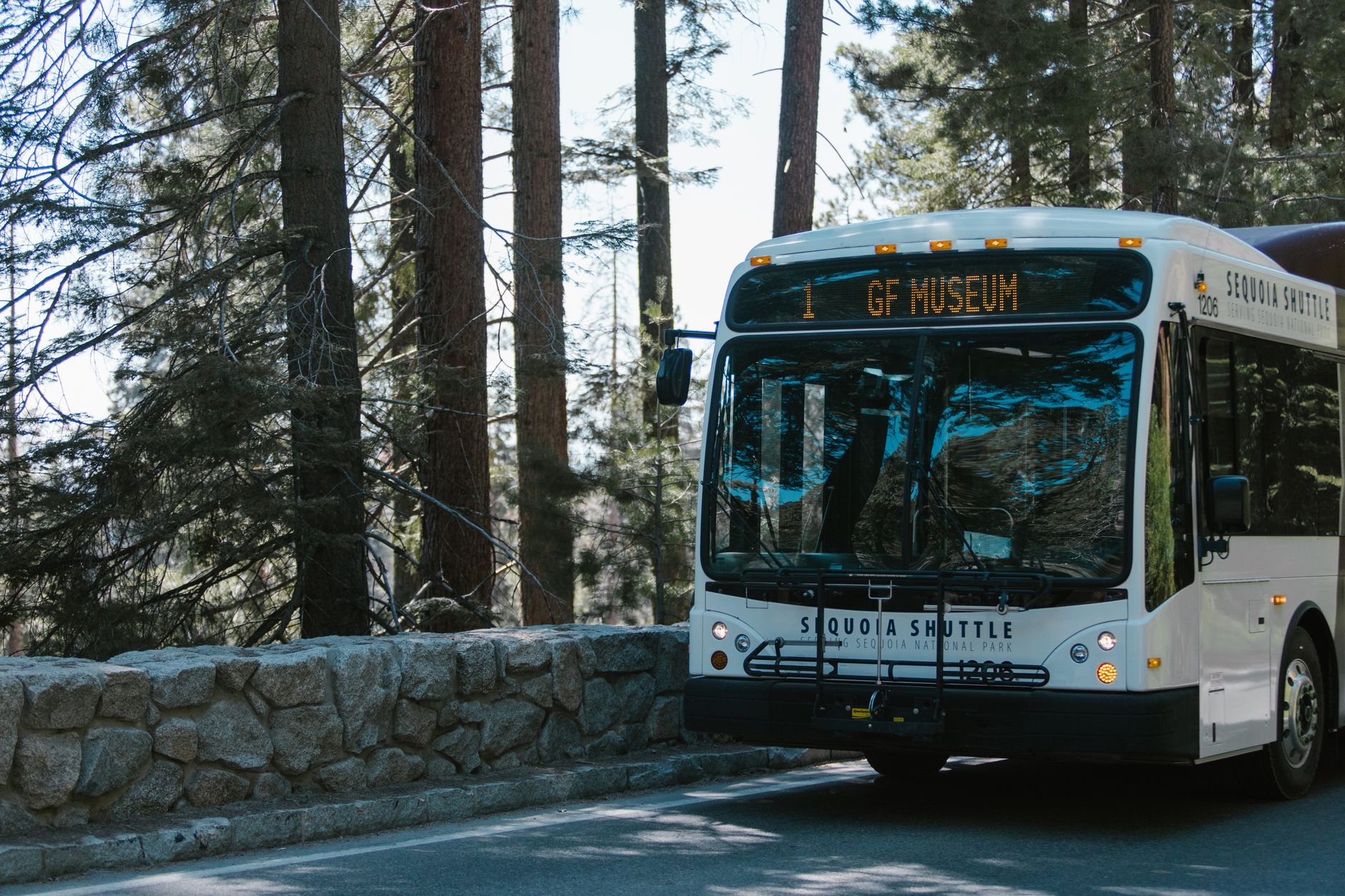
Free, wheelchair-accessible shuttles run inside Sequoia National Park from May 22 to September 7 in 2026, and none in Kings Canyon. Route 1 links the Giant Forest Museum, the Sherman Tree trailhead, and Lodgepole; Route 2 runs from the museum to Moro Rock and Crescent Meadow; Route 4 links the Sherman Tree lots and Wolverton14. On summer weekends and holidays the Moro Rock and Crescent Meadow Road is closed to private cars and Route 2 is the only way in28. A holiday shuttle also runs over Thanksgiving, Christmas week, and the January and February holiday weekends14; see the Sequoia shuttle guide.
The areas of the park, south to north
The Foothills (about 1,700 to 4,000 feet). The Ash Mountain entrance, the Foothills Visitor Center (9 am to 4:30 pm year-round), Potwisha Campground, and Hospital Rock, where pictographs made by the Mono, Yokuts, and Tübatulabal people who lived in a village of hundreds remain sacred and must not be touched81629. Summer heat runs 80 to 115°F, with poison oak, rattlesnakes, and ticks; this is the place for winter and spring walks16.
Giant Forest (about 6,500 to 7,000 feet). The heart of the park: the free Giant Forest Museum (9 am to 4:30 pm), the General Sherman Tree, the Congress and Big Trees trails, and the Moro Rock and Crescent Meadow Road with Moro Rock, Tunnel Log, Crescent Meadow, and Tharp’s Log818. See the Giant Forest guide.
Lodgepole and Wuksachi (6,700 feet). The Lodgepole Visitor Center, the park’s biggest campground, a market with showers and laundry, the Tokopah Falls trailhead, and, a few minutes north, Wuksachi Lodge, the only hotel inside Sequoia183031. Wolverton, between them, is the snow-play area and the Lakes Trail and Alta Peak trailhead32.
Mineral King (7,500 feet). A remote valley reached by a separate 1.5-hour road from Three Rivers, narrow and partly unpaved, open only late May to October, with no RVs or trailers, two tent campgrounds, and marmots that chew car wiring in early summer3334. See Mineral King.
Grant Grove (6,600 feet, Kings Canyon). The General Grant Tree, the Kings Canyon Visitor Center, John Muir Lodge and cabins, three campgrounds, a year-round market, Panoramic Point, and Big Stump3536. Cedar Grove (4,600 feet), an hour below it on Highway 180, is the canyon floor, open May to mid-November26. Both are in the Kings Canyon guide, and the choice between the parks is on Sequoia vs Kings Canyon.
The sights
The General Sherman Tree. Largest tree on Earth by volume: 274.9 feet tall, 36.5 feet across at the base, about 52,500 cubic feet, roughly 2,200 years old137. Half a mile down a paved trail from the Wolverton Road lot with 200 feet of climb on the way back, or about 500 feet on a paved accessible path from the Generals Highway lot, where everyone parks in winter38. See the General Sherman Tree.
The Congress Trail. A paved 2.7-mile loop from the Sherman Tree past the House and Senate groups and the President Tree, which ranks second in the world when branch volume is counted3940. See the Congress Trail.
The Big Trees Trail. A 0.7-mile paved loop around Round Meadow, flat, with benches and panels, 0.3 mile from the museum41. See the Big Trees Trail.
Moro Rock. A 0.25-mile stairway of about 350 steps and 300 feet of gain up a granite dome, 30 to 120 minutes; closed in thunderstorms and when snow and ice make the steps unsafe; the road closes in winter4243. See Moro Rock.
Tunnel Log. A sequoia that fell across the road in 1937 and was tunneled by the Civilian Conservation Corps rather than removed44. See Tunnel Log.
Crescent Meadow and Tharp’s Log. About 1.8 miles around the meadow, partly paved, to the cabin Hale Tharp built inside a hollow log in 18584546. See Crescent Meadow and Tharp’s Log.
Crystal Cave. The only one of the parks’ caves open to the public, by 50-minute guided tour, 50°F inside, tickets online only at least 36 hours ahead; $22 adults and $11 children in 2026, a season that ended September 7 with the road closed for repairs until 20271121. See Crystal Cave.
Tokopah Falls. 3.4 miles round trip from Lodgepole Campground, about 600 feet of gain, roughly 2 hours, to a 1,200-foot cascade at its best in late spring and early summer47. See the Tokopah Falls Trail.
The General Grant Tree. Second-largest tree, 268.1 feet tall and 46,608 cubic feet, the Nation’s Christmas Tree since 1926 and a national shrine since 1956, on a paved half-mile loop in Grant Grove484950. See the General Grant Tree.
The Kings Canyon Scenic Byway. Fifty miles from Grant Grove to Road’s End, past Boyden Cavern, Grizzly Falls, Roaring River Falls, and Zumwalt Meadow, open late April to mid-November51529. See the Kings Canyon Scenic Byway.
The best photo spots and how to photograph a 275-foot tree are on the photography page. The park’s dark skies, and the Dark Sky Festival held September 11 to 13 in 2026, are on the stargazing page53.
Hiking
Beyond the walks above, the best day hikes for the effort are Little Baldy (3.4 miles round trip, 1,000 feet of gain) and the Lakes Trail from Wolverton (6 miles one way to Pear Lake)5455; the hardest day is Alta Peak, 12.8 miles with more than 4,000 feet of gain32. The backcountry classics are the High Sierra Trail, about 72 miles from Crescent Meadow to Whitney Portal, and the 41.4-mile Rae Lakes Loop5657. Wilderness permits cost $15 plus $5 per person in the quota season and are released on Recreation.gov six months ahead10. See best hikes in Sequoia and Kings Canyon and easy hikes under 3 miles.
When to go
| Zone | Summer highs | Winter lows | Precipitation | Source |
|---|---|---|---|---|
| Foothills (to about 4,000 ft) | 89 to 97°F | about 36°F | about 26 inches, nearly all January to mid-May | 13 |
| Sequoia groves (5,000 to 7,000 ft) | 68 to 76°F | 24 to 27°F | 40 to 45 inches, deep snowpack December to May | 13 |
| Cedar Grove (3,500 to 4,700 ft) | into the 90s | 13 |
May to October is the window when everything is open: the Moro Rock and Crescent Meadow, Mineral King, and Panoramic Point roads open the Wednesday before Memorial Day, Highway 180 into Kings Canyon opens the fourth Friday in April and closes in mid-November, and the shuttles and Crystal Cave run from late May to early September91421. Visit Visalia calls May to October the best time and notes July and August crowds12. Summer ozone often exceeds federal health standards, and the 2021 KNP Complex Fire began on September 9, so late-summer visitors should check the AirNow smoke map5859; see the wildfire and smoke page.
November to April is winter. Chains may be required on park roads any time it snows, and the NPS tells every winter visitor to carry them; under chain control the limit is 25 mph and the parks do not tow or repair vehicles98. The Generals Highway between Lodgepole and Grant Grove is unplowed and closes from early January to mid-March; the Moro Rock, Crescent Meadow, Mineral King, and Crystal Cave roads are closed all winter9. The Sherman Tree Trail is the one trail in Giant Forest kept plowed, and traction cleats are advised; Wolverton, Big Stump, and Columbine are the snow-play areas6061. Wuksachi Lodge closed from January 5 to March 12 in 202631. See Sequoia National Park in winter, snow chains, road closures, and the month-by-month best time to visit. The live status of every road is on the NPS road-conditions page or the hotline, 559-565-3341, press 1, then 128.
How long to stay
One day covers the Giant Forest, the NPS’s own plan of the Big Trees Trail, the Sherman Tree, Moro Rock, Tunnel Log, and Crescent Meadow, which the NPS admits really wants multiple days62. Two days add Kings Canyon. Three days add a real hike or Mineral King. The hour-by-hour versions are on one day in Sequoia National Park and 2 days in Sequoia and Kings Canyon, and the honest answer to the question is on how many days do you need. If you are still deciding whether to come at all, or whether to go to Yosemite instead, read is Sequoia National Park worth visiting and Sequoia vs Yosemite.
Where to stay
The site earns a commission on bookings made through lodging and tour links, which does not affect what is recommended.
Inside the parks. Wuksachi Lodge in Sequoia has 102 rooms, a restaurant, and limited Wi-Fi, open year-round except for the January to March closure31. In Kings Canyon, John Muir Lodge has 36 rooms, the Grant Grove Cabins range from duplexes with baths to unheated tent cabins, and Cedar Grove Lodge has 21 rooms from May to mid-October636465. The NPS recommends reserving well ahead6627. Between the parks, in the national forest, Stony Creek Lodge and the all-inclusive Montecito Sequoia Lodge fill the gap1567.
Camping. Standard sites cost $32 a night, every site has a bear-proof food locker, and nearly all require Recreation.gov reservations, with Lodgepole, Potwisha, Sentinel, and Azalea opening four months ahead2068. Lodgepole has more than 200 sites; Potwisha, in the foothills, has 40 and is open all year; Dorst Creek and Buckeye Flat are closed for 202630697028. Winter camping is Potwisha plus 20 first-come sites at Azalea8.
Gateway towns. Three Rivers, 5 miles below the Ash Mountain entrance, has gas and lodging; Visalia, an hour away, has the Sequoia Shuttle stops; Dunlap and Fresno serve the Highway 180 side15724. Everything is compared on where to stay for Sequoia National Park, with more on Wuksachi Lodge, the best campgrounds, and Three Rivers.
Food, gas, and phones
There is no gas station and no reliable EV charging inside the parks. Fill up in Three Rivers, in Dunlap 20 miles west of Grant Grove, at Hume Lake Market’s 24-hour pumps 11 miles north of Grant Grove, or seasonally at Stony Creek; chargers exist in Three Rivers, Visalia, and Fresno15. Details on gas and EV charging.
Restaurants are The Peaks at Wuksachi Lodge, usually year-round, the Lodgepole Grill, mid-April to mid-October, and seasonal options at Grant Grove and Cedar Grove; markets at Lodgepole, Grant Grove, and Cedar Grove sell groceries7136. See where to eat.
Cell coverage exists only around the Foothills Visitor Center, Lodgepole, and the Kings Canyon Visitor Center, and not for every carrier; free Wi-Fi is available at the Foothills and Kings Canyon visitor centers and the Lodgepole Market2736. Download offline maps before you arrive; see the cell service page and the packing list.
Rules and safety
Bears. Black bears are common. Everything with a scent, including toiletries, sunscreen, sealed drinks, and coolers, must go in a metal food locker or a trunk whenever you leave the car, and rangers issue fines for food left visible7268. Watch bears from at least two bus lengths and never approach73. Bear canisters are required from May 1 to October 31 on the Rae Lakes Loop and at Pear and Emerald lakes, among other areas, and rent at visitor centers748. See bears in Sequoia National Park.
Rivers. Drowning is the most frequent cause of death in the parks, with snowmelt making rivers swift and icy in spring and early summer; never swim alone or near drop-offs, and supervise children constantly75.
Altitude. Giant Forest is near 7,000 feet, and most trails are above 5,000 feet; expect shortness of breath and drink water8. See elevation and altitude sickness.
Pets. Allowed in parking lots, on roads, and in campgrounds and picnic areas on a leash of 6 feet or less, and prohibited on every trail, including the paved Sherman and Big Trees trails76. The adjacent national forest allows leashed dogs on trails. See Sequoia National Park with a dog.
Drones are prohibited77. Marmots at Mineral King chew radiator hoses and wiring from spring to mid-July; the NPS recommends wrapping the vehicle in a tarp34. How the park’s rules differ from those of the surrounding Sequoia National Forest and Giant Sequoia National Monument is on park vs forest vs monument.
Kids, accessibility, and crowds
The park suits children: the four main sights are on paved trails under 2 miles, and every visitor center gives out a free Junior Ranger booklet that earns a badge, aimed at ages 7 to 127879. Ranger walks, talks, and evening programs are free and need no reservation, mostly from Memorial Day to Labor Day80. See Sequoia National Park with kids.
Free loaner wheelchairs are available at three visitor centers, and the 500-foot Sherman Tree path, the Big Trees Trail, the Grant Tree Trail, and Panoramic Point are the paved options81384182. See accessible Sequoia.
The crowd problems are specific: the Sherman Tree lots fill by mid-morning in summer, and the Moro Rock road closes to cars on summer weekends3828. Arriving early, parking once and riding the shuttle, or visiting outside July and August avoids most of it; see the crowds page.
Guided tours
Two operators publish verifiable details. Sequoia Sightseeing Tours in Three Rivers runs the “Sequoia Majesty” small-group day, 6.5 hours, a maximum of 10 guests, $269 for adults and $249 for children 8 to 12, including park entry, year-round83. Crossroads Tours runs a full-day Sequoia tour from Fresno for $249 per adult, $229 for seniors, and $124 for children under 12, with park fees included and shuttle connections advertised from Los Angeles and San Francisco84. Non-U.S. residents pay the $100 surcharge separately with both8384. In winter a tour is the practical answer for anyone in a rental car that forbids chains; see guided tours of Sequoia National Park.
The trees, and the fires
Giant sequoias grow naturally only in the Sierra Nevada, in groves that in these parks sit mostly between 5,000 and 7,000 feet, and the parks hold about 40 of them313. They depend on fire, and decades of prescribed burning in Giant Forest are why it came through the 2021 KNP Complex Fire at low to moderate intensity while Redwood Mountain Grove in Kings Canyon, without recent fire, burned at high intensity and lost thousands of mature trees59. Fire crews wrapped the base of the General Sherman Tree in foil as the fire approached1. See why giant sequoias need fire and are giant sequoias dying. Every other place to see the species is ranked on where to see giant sequoias, and anyone who leaves wanting one can start with how to grow a giant sequoia.
Guides in this section
- One day in Sequoia National Park: an hour-by-hour itinerary
- 2 days in Sequoia and Kings Canyon
- How many days do you need in Sequoia National Park?
- Do you need a reservation for Sequoia National Park?
- Sequoia National Park entrance fees and passes explained
- Sequoia National Park entrances: Ash Mountain vs Big Stump
- Best time to visit Sequoia National Park, month by month
- Sequoia National Park in winter
- Do you need snow chains for Sequoia National Park?
- Sequoia National Park road closures
- Driving the Generals Highway
- Sequoia National Park map explained
- Sequoia shuttle guide
- Sequoia National Park with kids
- Sequoia National Park with a dog
- RVs in Sequoia National Park
- Cell service in Sequoia National Park
- Sequoia National Park elevation and altitude sickness
- Bears in Sequoia National Park
- Gas and EV charging near Sequoia National Park
- Where to eat in Sequoia National Park and Three Rivers
- Wildfire and smoke season in Sequoia National Park
- Accessible Sequoia: wheelchair-friendly trails and facilities
- What to pack for Sequoia National Park
- Los Angeles to Sequoia National Park
- San Francisco to Sequoia National Park
- Fresno to Sequoia National Park
- Yosemite to Sequoia: drive time and a two-park road trip
- Sequoia vs Yosemite
- Sequoia vs Kings Canyon
- Sequoia National Park vs Sequoia National Forest vs Giant Sequoia National Monument
- How to avoid crowds in Sequoia National Park
- Stargazing in Sequoia National Park
- Visiting Sequoia National Park without a car
- Is Sequoia National Park worth visiting?
- Best photo spots in Sequoia National Park
Frequently Asked Questions
How much does it cost to get into Sequoia National Park?
$35 per private vehicle, valid for one to seven days in both Sequoia and Kings Canyon; $30 per motorcycle; $20 per person on foot or bicycle. Non-U.S. residents aged 16 and over pay an extra $100 each unless they hold a qualifying pass5.
Do you need a reservation for Sequoia National Park?
How many days do you need in Sequoia National Park?
One full day covers the Giant Forest and the General Sherman Tree. Two days add Kings Canyon. The NPS notes that its own Giant Forest itinerary really wants multiple days62.
What is the best month to visit Sequoia National Park?
Which entrance should I use?
Can you see the giant sequoias without hiking?
Is Sequoia National Park open in winter?
Yes, with chain controls whenever it snows. The road between Sequoia and Kings Canyon closes from early January to mid-March, and the Moro Rock, Crescent Meadow, Mineral King, and Crystal Cave roads close for the season9.
Are there bears in Sequoia National Park?
Related Articles
Sources
- The General Sherman Tree — National Park Service, Sequoia & Kings Canyon. Accessed 2026-09-06.
- NPS Geodiversity Atlas: Sequoia and Kings Canyon National Parks — National Park Service. Accessed 2026-09-06.
- Sequoia Groves — National Park Service. Accessed 2026-09-06.
- History & Culture — National Park Service. Accessed 2026-09-06.
- Entrance Fees — National Park Service. Accessed 2026-09-06.
- Basic Information — National Park Service. Accessed 2026-09-06.
- Directions & Transportation — National Park Service. Accessed 2026-09-06.
- Winter 2025–26 Trip Planner (PDF) — National Park Service. Accessed 2026-09-06.
- Road Information — National Park Service. Accessed 2026-09-06.
- Wilderness Permits — National Park Service. Accessed 2026-09-06.
- Crystal Cave — National Park Service. Accessed 2026-09-06.
- Sequoia National Park FAQs — Visit Visalia. Accessed 2026-09-06.
- Weather — National Park Service. Accessed 2026-09-06.
- Park Shuttles — National Park Service. Accessed 2026-09-06.
- Gas Stations & EV Charging — National Park Service. Accessed 2026-09-06.
- Foothills — National Park Service. Accessed 2026-09-06.
- Kings Canyon National Park — National Park Service. Accessed 2026-09-06.
- Giant Forest and Lodgepole — National Park Service. Accessed 2026-09-06.
- Reservations — National Park Service, Yosemite. Accessed 2026-09-06.
- Campground Fee Increase and Booking Windows for 2023 — National Park Service. Accessed 2026-09-06.
- Crystal Cave — Sequoia Parks Conservancy. Accessed 2026-09-06.
- Transportation & Maps — Visit Visalia. Accessed 2026-09-06.
- Driving Directions and Distances — National Park Service, Yosemite. Accessed 2026-09-06.
- Sequoia Shuttle — City of Visalia. Accessed 2026-09-06.
- Generals Highway — National Park Service. Accessed 2026-09-06.
- Cedar Grove — National Park Service. Accessed 2026-09-06.
- Frequently Asked Questions — National Park Service. Accessed 2026-09-06.
- Road Conditions — National Park Service, updated September 1, 2026. Accessed 2026-09-06.
- Hospital Rock Pictographs — National Park Service. Accessed 2026-09-06.
- Lodgepole Campground — Recreation.gov. Accessed 2026-09-06.
- Wuksachi Lodge — Delaware North, Sequoia & Kings Canyon lodging. Accessed 2026-09-06.
- Wolverton Picnic Area, Trailhead, and Snowplay Area — National Park Service. Accessed 2026-09-06.
- Mineral King — National Park Service. Accessed 2026-09-06.
- Marmots — National Park Service. Accessed 2026-09-06.
- Grant Grove — National Park Service. Accessed 2026-09-06.
- Goods & Services — National Park Service. Accessed 2026-09-06.
- General Sherman Tree (place page) — National Park Service. Accessed 2026-09-06.
- The General Sherman Tree Trail — National Park Service. Accessed 2026-09-06.
- Congress Trail — National Park Service. Accessed 2026-09-06.
- The Largest Trees in the World — National Park Service. Accessed 2026-09-06.
- Big Trees Trail — National Park Service. Accessed 2026-09-06.
- Moro Rock — National Park Service. Accessed 2026-09-06.
- Moro Rock (place page) — National Park Service. Accessed 2026-09-06.
- Tunnel Log — National Park Service. Accessed 2026-09-06.
- Crescent Meadow — National Park Service. Accessed 2026-09-06.
- Tharp’s Log Wayside — National Park Service. Accessed 2026-09-06.
- Tokopah Falls — National Park Service. Accessed 2026-09-06.
- The General Grant Tree — National Park Service. Accessed 2026-09-06.
- The General Grant Tree (nature page) — National Park Service. Accessed 2026-09-06.
- General Grant Tree Trailhead — National Park Service. Accessed 2026-09-06.
- Scenic Byways — National Park Service. Accessed 2026-09-06.
- Summer Drives and Viewpoints — National Park Service. Accessed 2026-09-06.
- Dark Sky Festival 2026 — National Park Service. Accessed 2026-09-06.
- Little Baldy Trailhead — National Park Service. Accessed 2026-09-06.
- Lakes Trailhead — National Park Service. Accessed 2026-09-06.
- High Sierra Trail — National Park Service. Accessed 2026-09-06.
- Rae Lakes Loop — National Park Service. Accessed 2026-09-06.
- Air Quality — National Park Service. Accessed 2026-09-06.
- KNP Complex Fire — National Park Service. Accessed 2026-09-06.
- Giant Forest and Lodgepole Winter Trails — National Park Service. Accessed 2026-09-06.
- Snowplay — National Park Service. Accessed 2026-09-06.
- Experience the Giant Forest — National Park Service. Accessed 2026-09-06.
- John Muir Lodge — Delaware North. Accessed 2026-09-06.
- Grant Grove Cabins — Delaware North. Accessed 2026-09-06.
- Cedar Grove Lodge — Delaware North. Accessed 2026-09-06.
- Lodging — National Park Service. Accessed 2026-09-06.
- Montecito Sequoia Lodge — Montecito Sequoia Lodge. Accessed 2026-09-06.
- Campground Regulations — National Park Service. Accessed 2026-09-06.
- Potwisha Campground — Recreation.gov. Accessed 2026-09-06.
- Dorst Creek Campground — Recreation.gov. Accessed 2026-09-06.
- Where to Eat — National Park Service. Accessed 2026-09-06.
- Bears and Food Storage — National Park Service. Accessed 2026-09-06.
- Wildlife Safety — National Park Service. Accessed 2026-09-06.
- Wilderness Food Storage — National Park Service. Accessed 2026-09-06.
- River Safety — National Park Service. Accessed 2026-09-06.
- Pets — National Park Service. Accessed 2026-09-06.
- Parks’ Firefighters Voice Concerns Over Drone Usage — National Park Service. Accessed 2026-09-06.
- Junior Ranger — National Park Service. Accessed 2026-09-06.
- Junior Ranger Activity (event details) — National Park Service. Accessed 2026-09-06.
- Ranger Programs — National Park Service. Accessed 2026-09-06.
- Accessibility — National Park Service. Accessed 2026-09-06.
- Panoramic Point — National Park Service. Accessed 2026-09-06.
- Sequoia Majesty: A Small Group Tour from Three Rivers — Sequoia Sightseeing Tours. Accessed 2026-09-06.
- Sequoia National Park Tour — Crossroads Tours. Accessed 2026-09-06.