
The Mother of the Forest: The Sequoia Skinned for a London Show
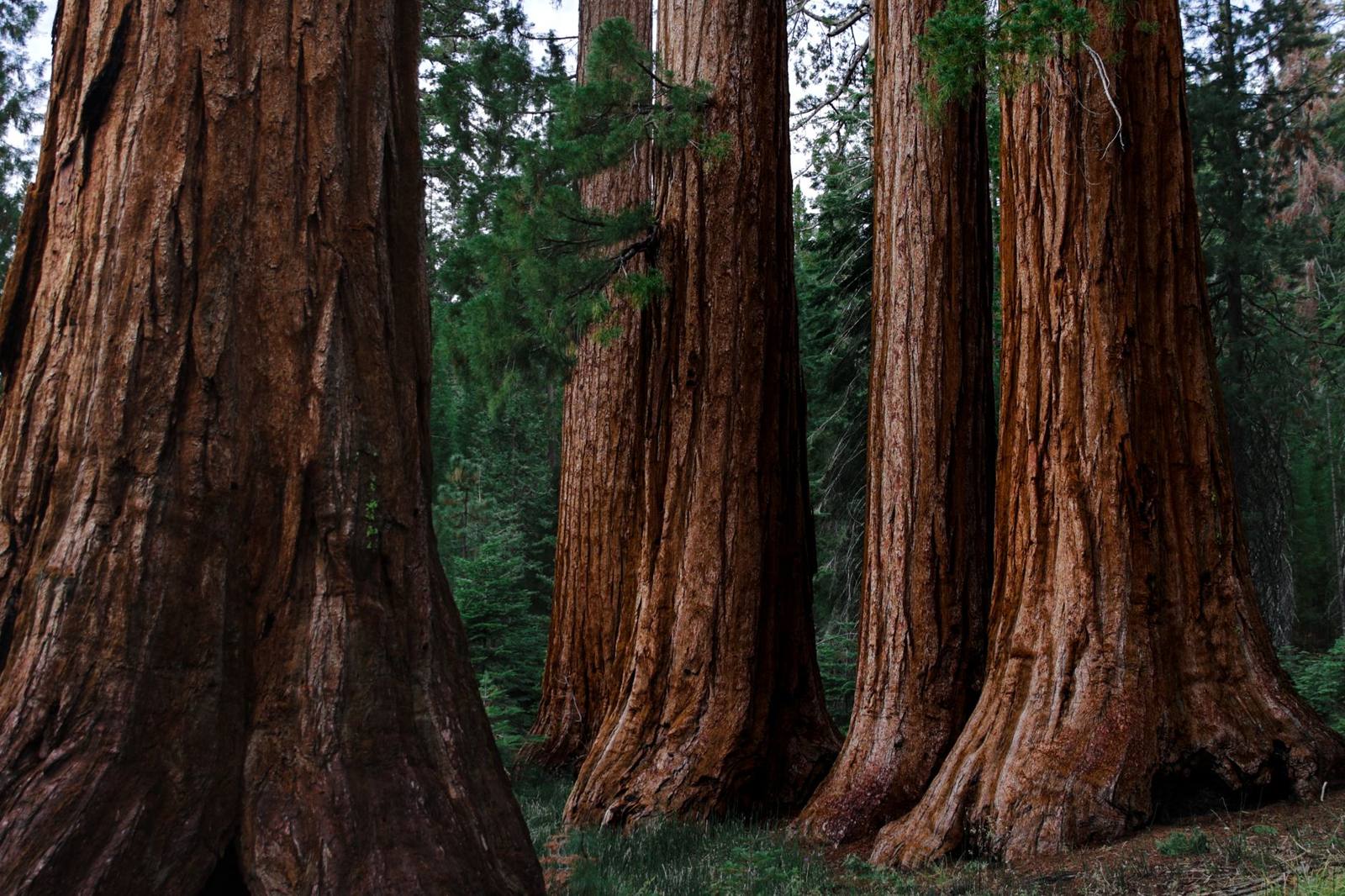
In 1854 workers stripped 116 feet of bark off a giant sequoia at Calaveras for a traveling exhibit that ended at London’s Crystal Palace.
In 1854 workers stripped 116 feet of bark off a giant sequoia at Calaveras for a traveling exhibit that ended at London’s Crystal Palace.
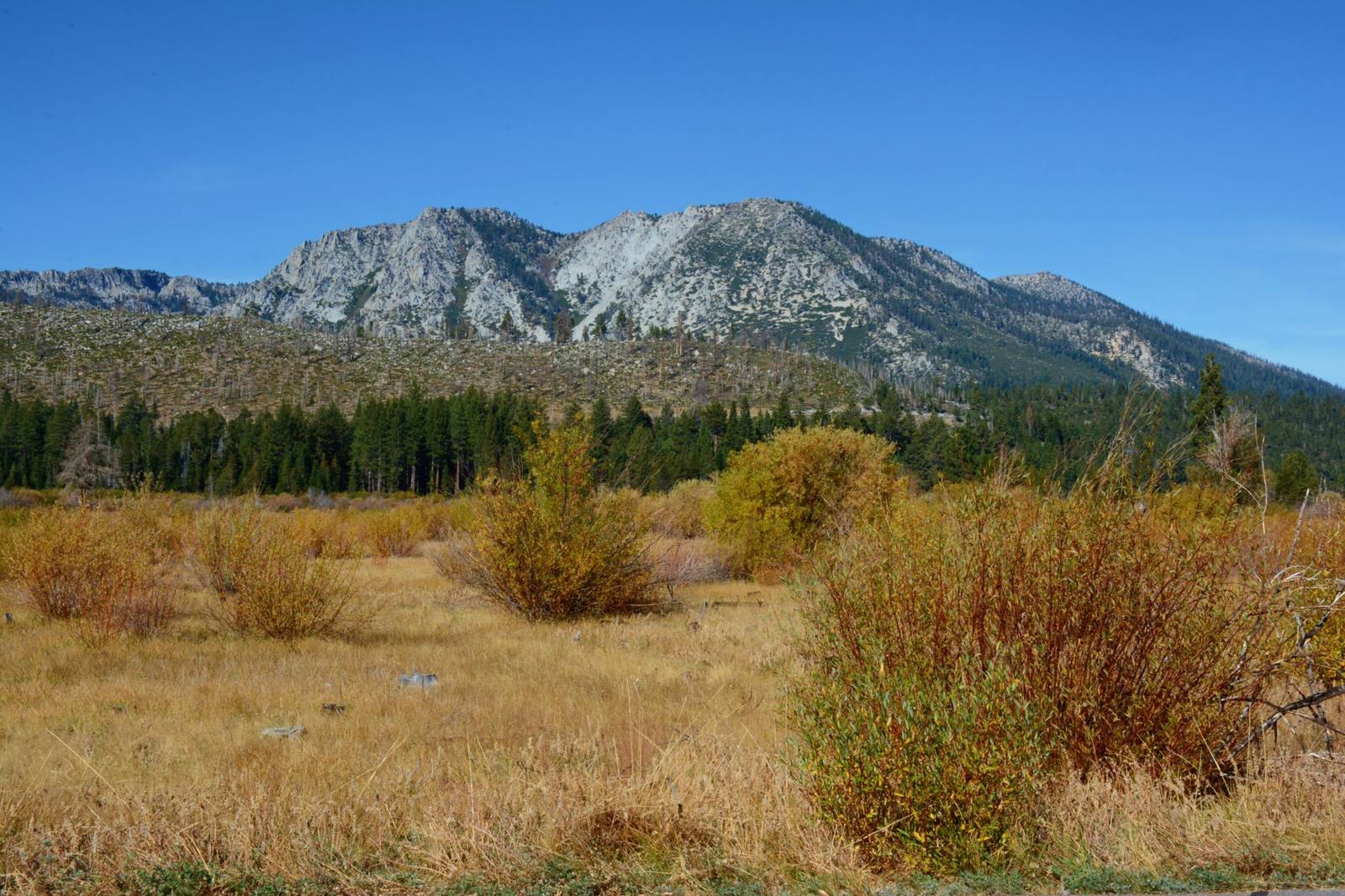
A socialist colony claimed Giant Forest in 1885, built a road toward it, and renamed General Sherman the Karl Marx Tree before the 1890 park ended its claim.
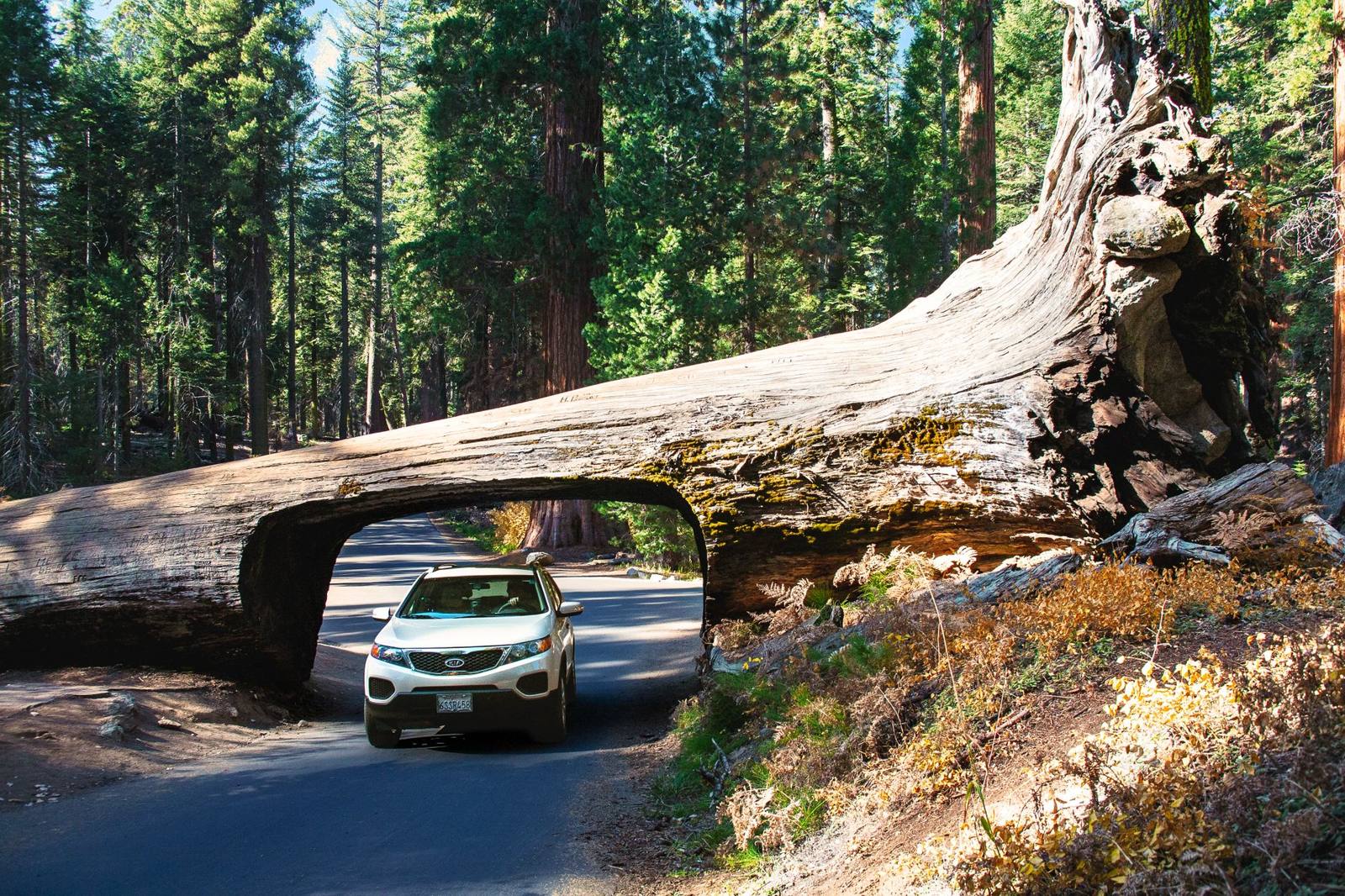
Hale Tharp reached the Giant Forest in 1858 guided by Monache and Yokuts companions, and summered in a hollow sequoia log until the park’s creation in 1890.
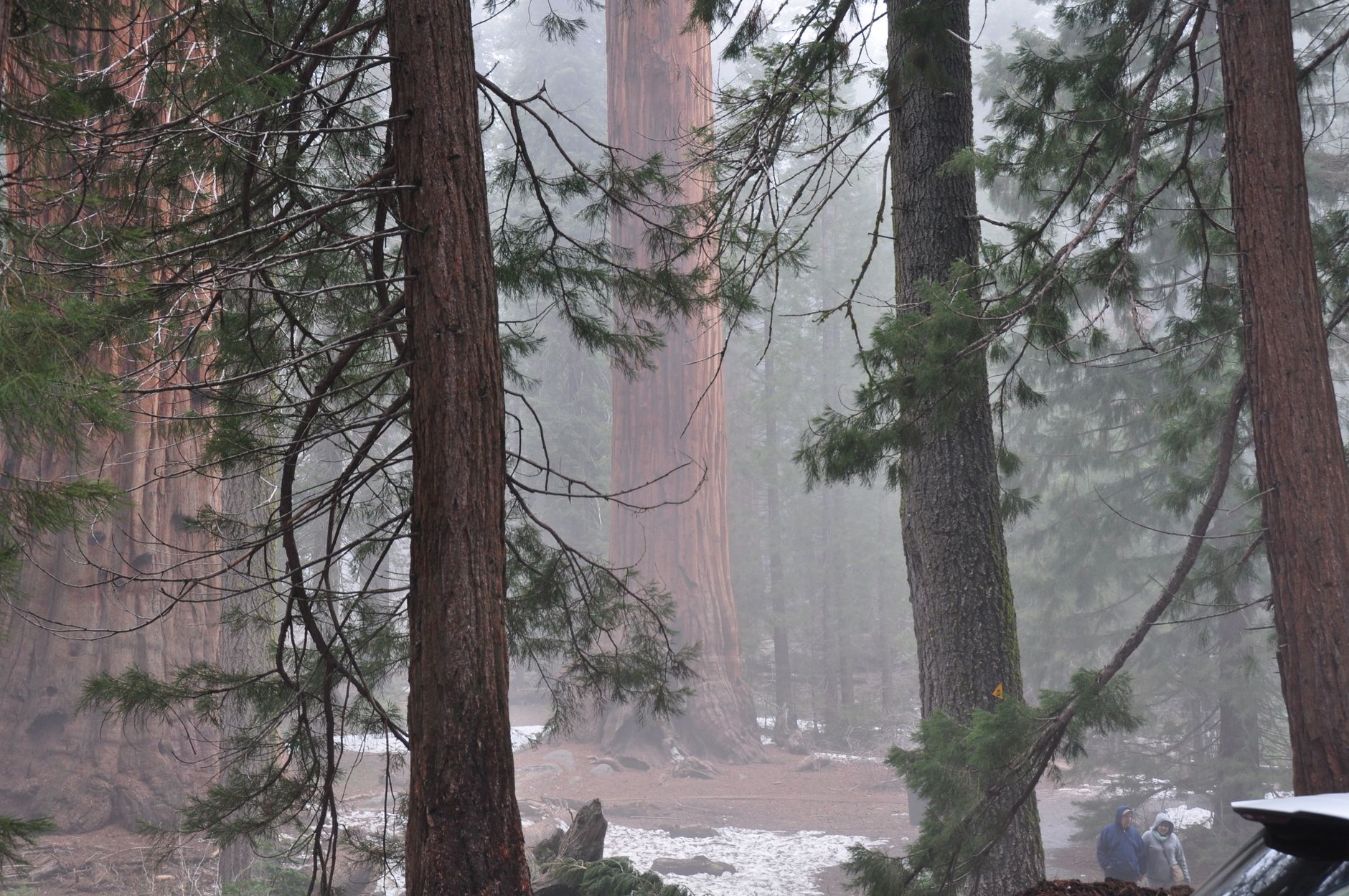
Indigenous peoples knew giant sequoias for millennia; 1852 marks when Augustus T. Dowd publicized a Calaveras tree, not when the species was first found.
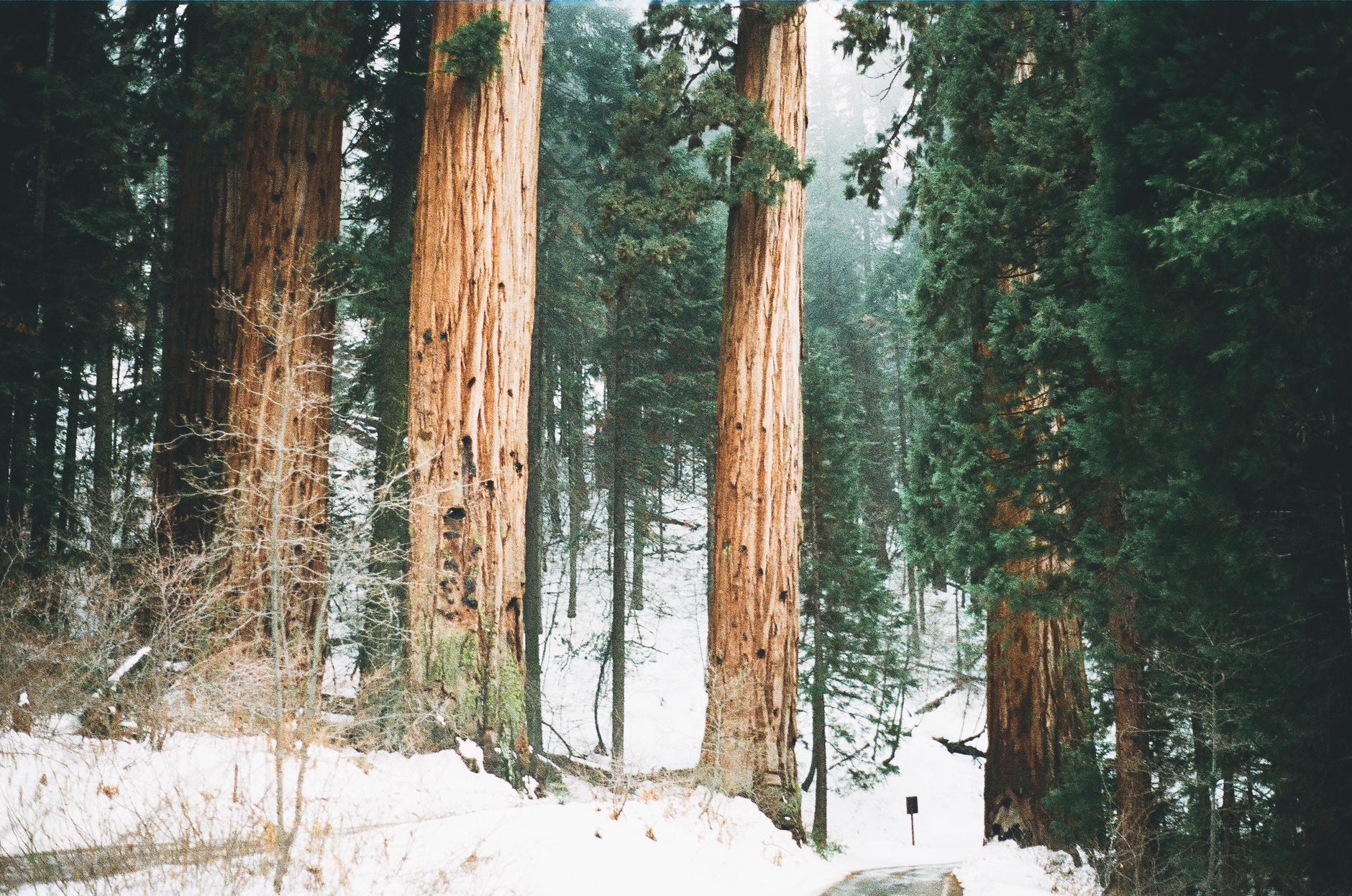
The Wawona Tunnel Tree stood 88 years after being tunneled in 1881 before falling under heavy snow in the winter of 1968-69, weakened by the cut.
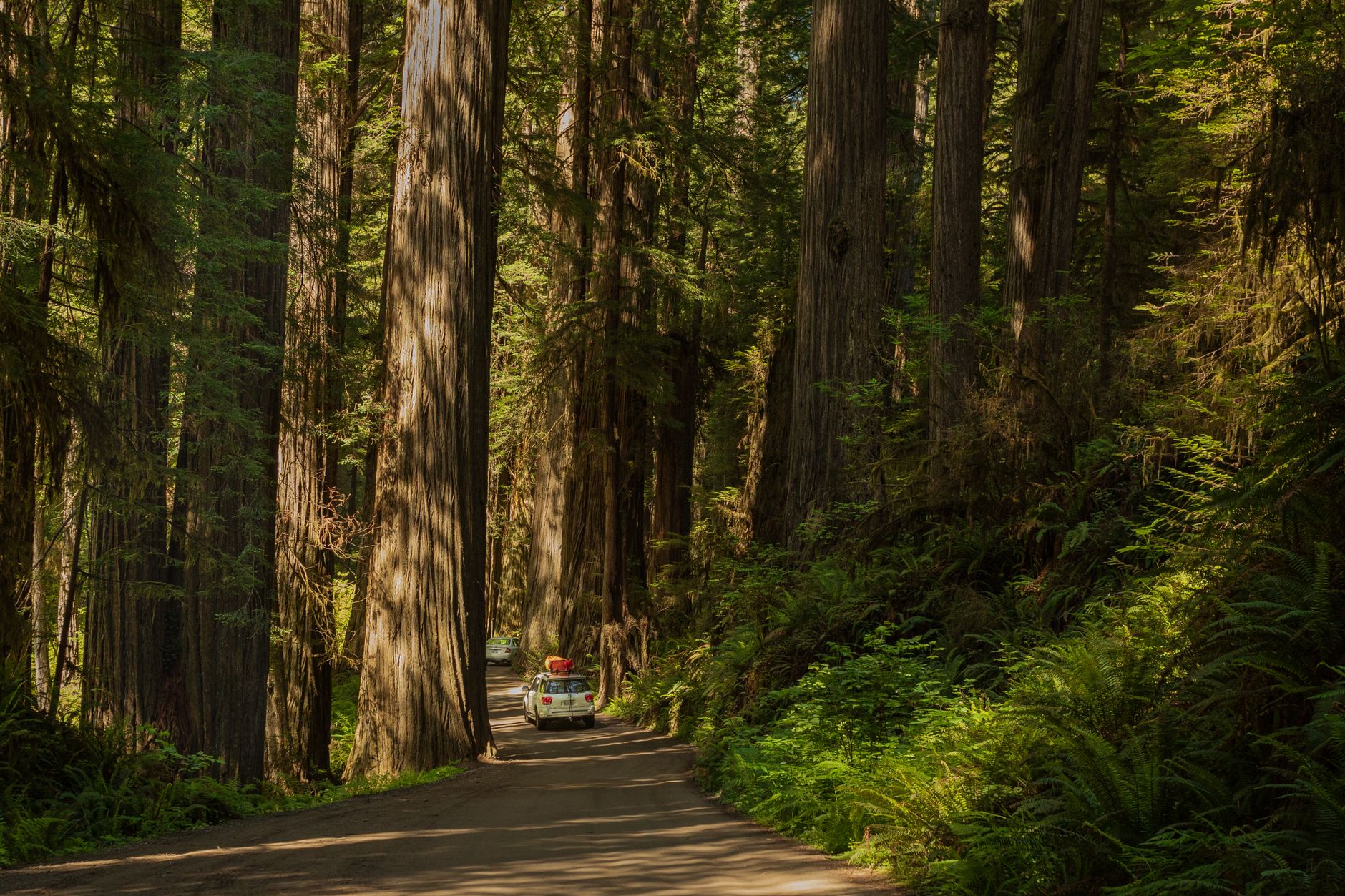
Of California’s tunneled giant sequoias, two have fallen, a snag and one living tree still stand, and a fallen log takes cars. Plus 3 redwood drive-throughs.
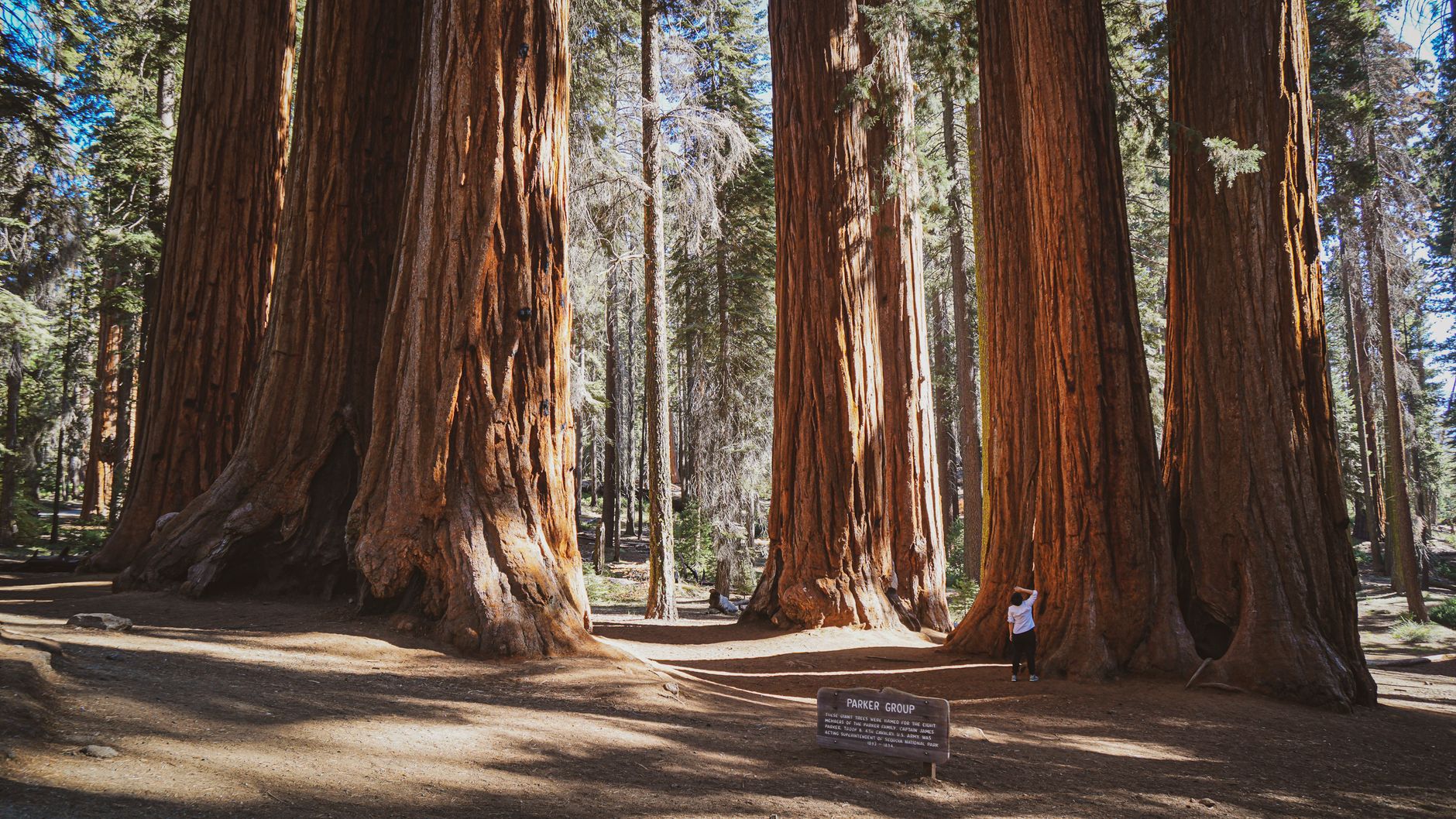
Muir began writing about the big trees in 1876 and warned that only fire and the ax threatened them. He also planted one in his own front yard.
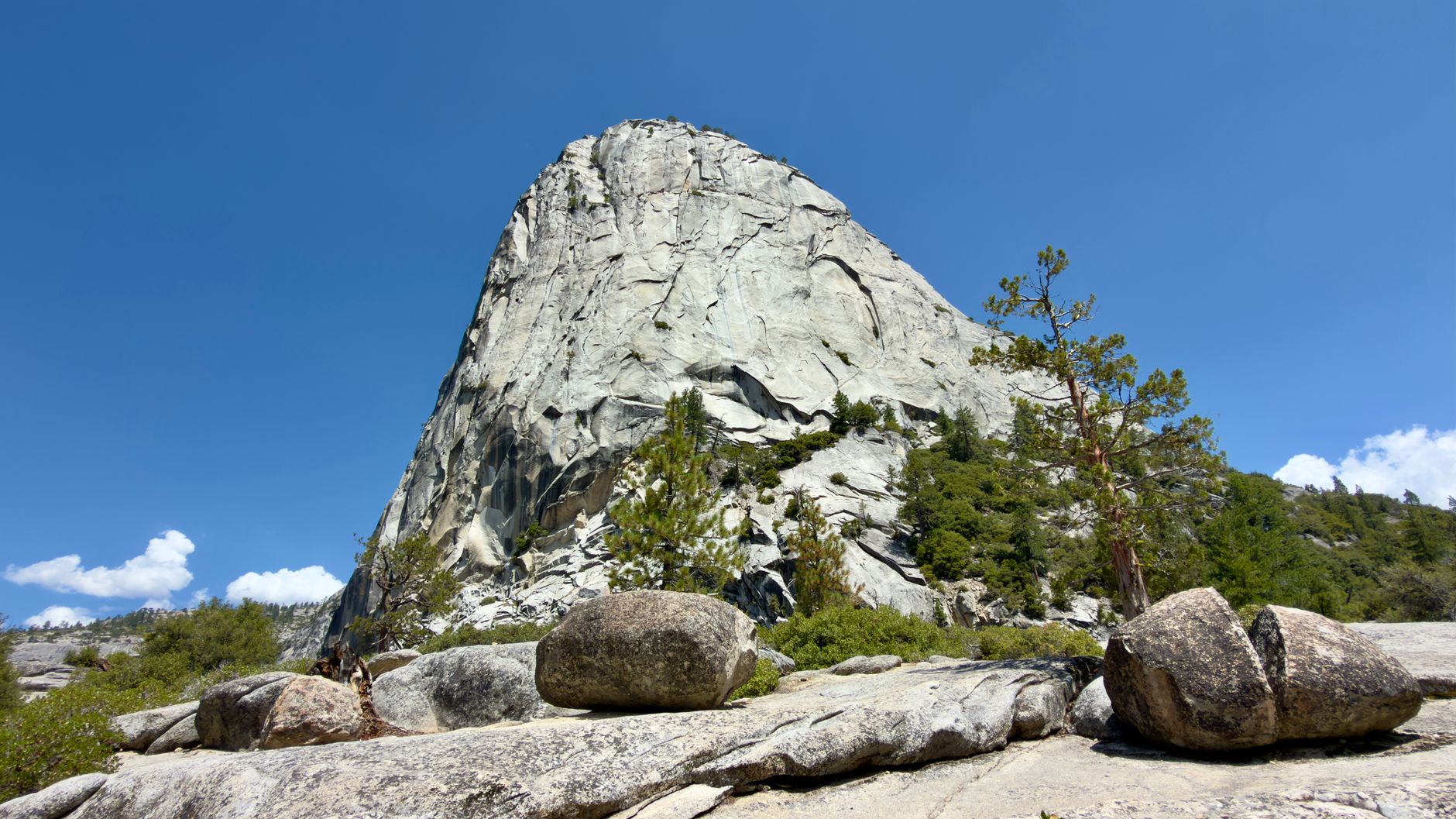
Sequoia and Kings Canyon are the homelands of the Mono (Monache), Yokuts, Tübatulabal, Paiute, and Western Shoshone. Twenty-six tribes hold ancestral ties.
Sequoia National Park was created September 25, 1890, the second U.S. national park and the first meant to protect a living organism.
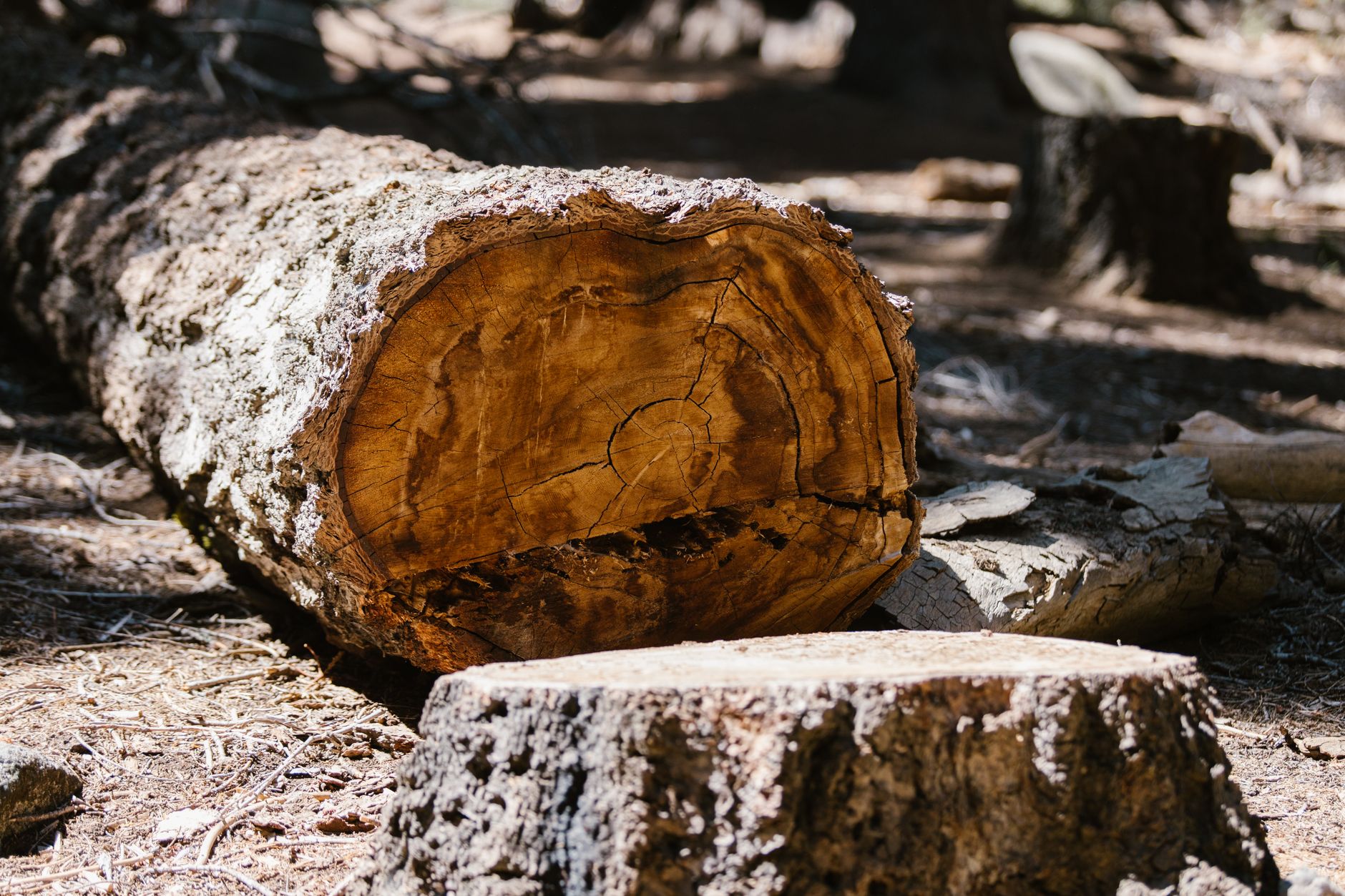
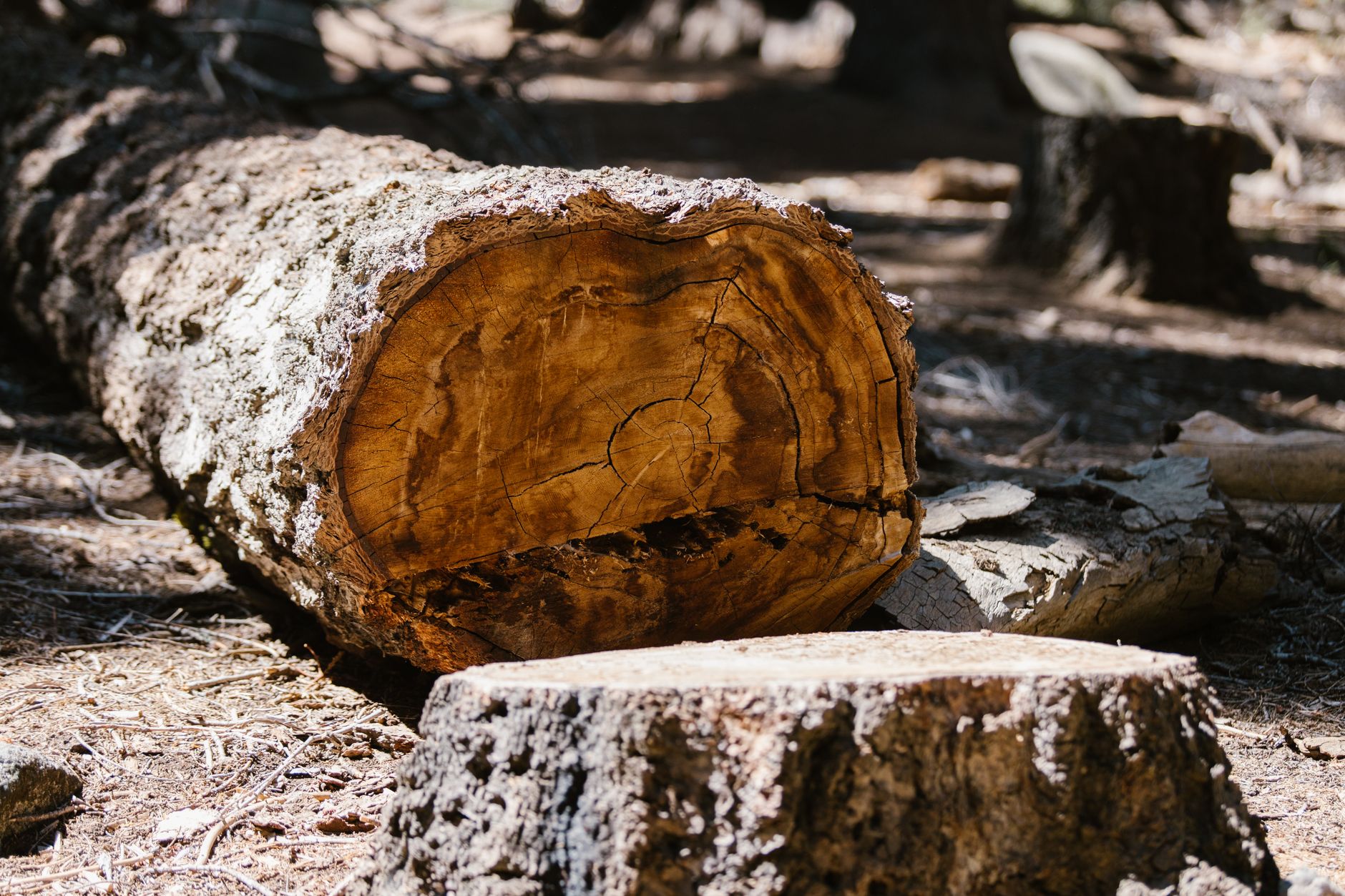
Converse Basin was the world’s largest sequoia grove until loggers cut most of its trees between 1892 and 1918, leaving the Boole Tree and the Chicago Stump.