
Sequoiadendron giganteum: Taxonomy, and Why ‘Sequoia’ Technically Means Coast Redwood
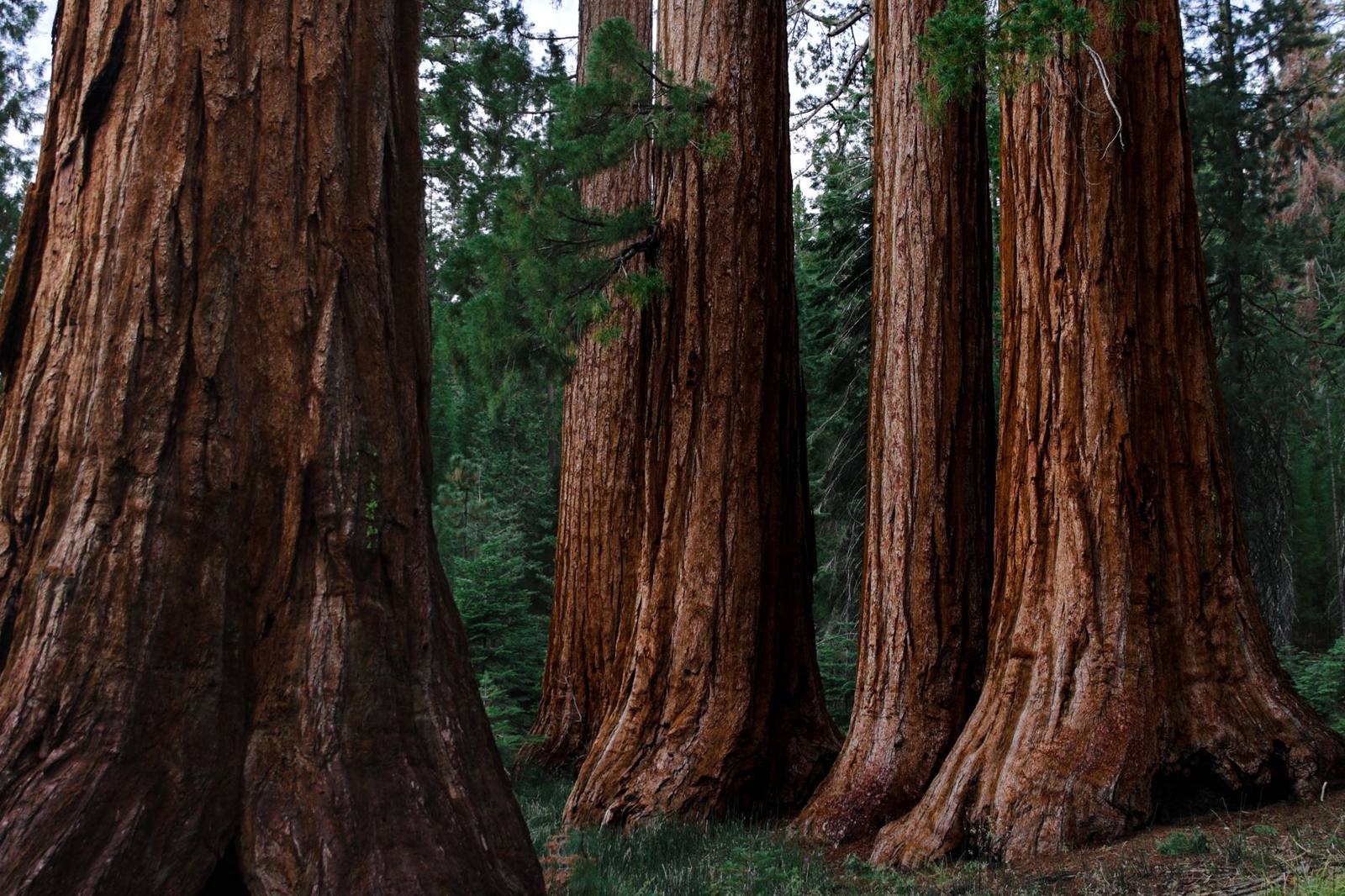
Sequoiadendron giganteum is the giant sequoia’s correct scientific name since 1939. Before that it was misclassified in the genus Sequoia.
Sequoiadendron giganteum is the giant sequoia’s correct scientific name since 1939. Before that it was misclassified in the genus Sequoia.
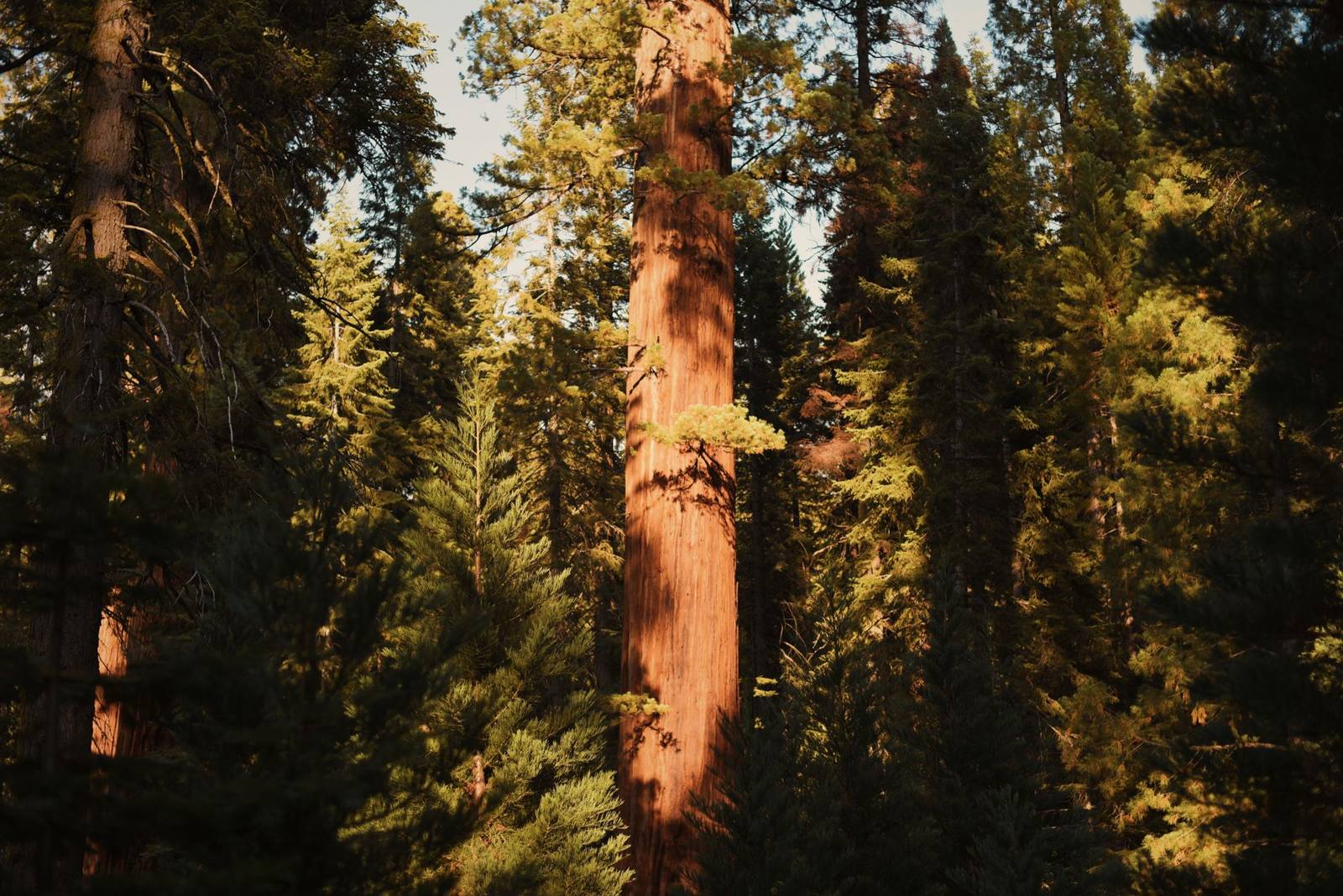
No official per-tree carbon figure exists for giant sequoia. Here is how scientists estimate it, and what has actually been measured.
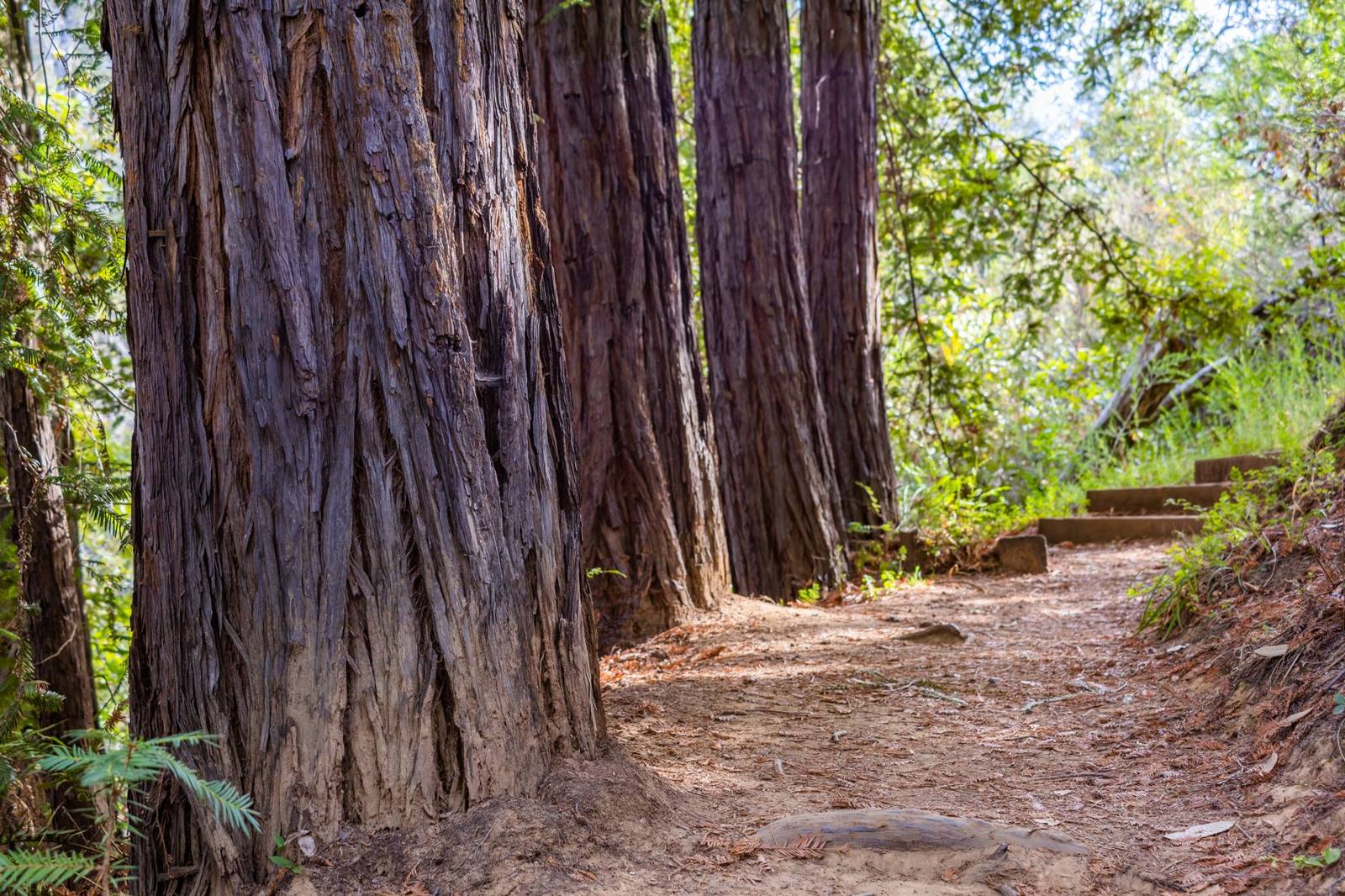
California’s state tree is not one species. Government Code Section 422 names coast redwood and giant sequoia together, a fix added in 1953.
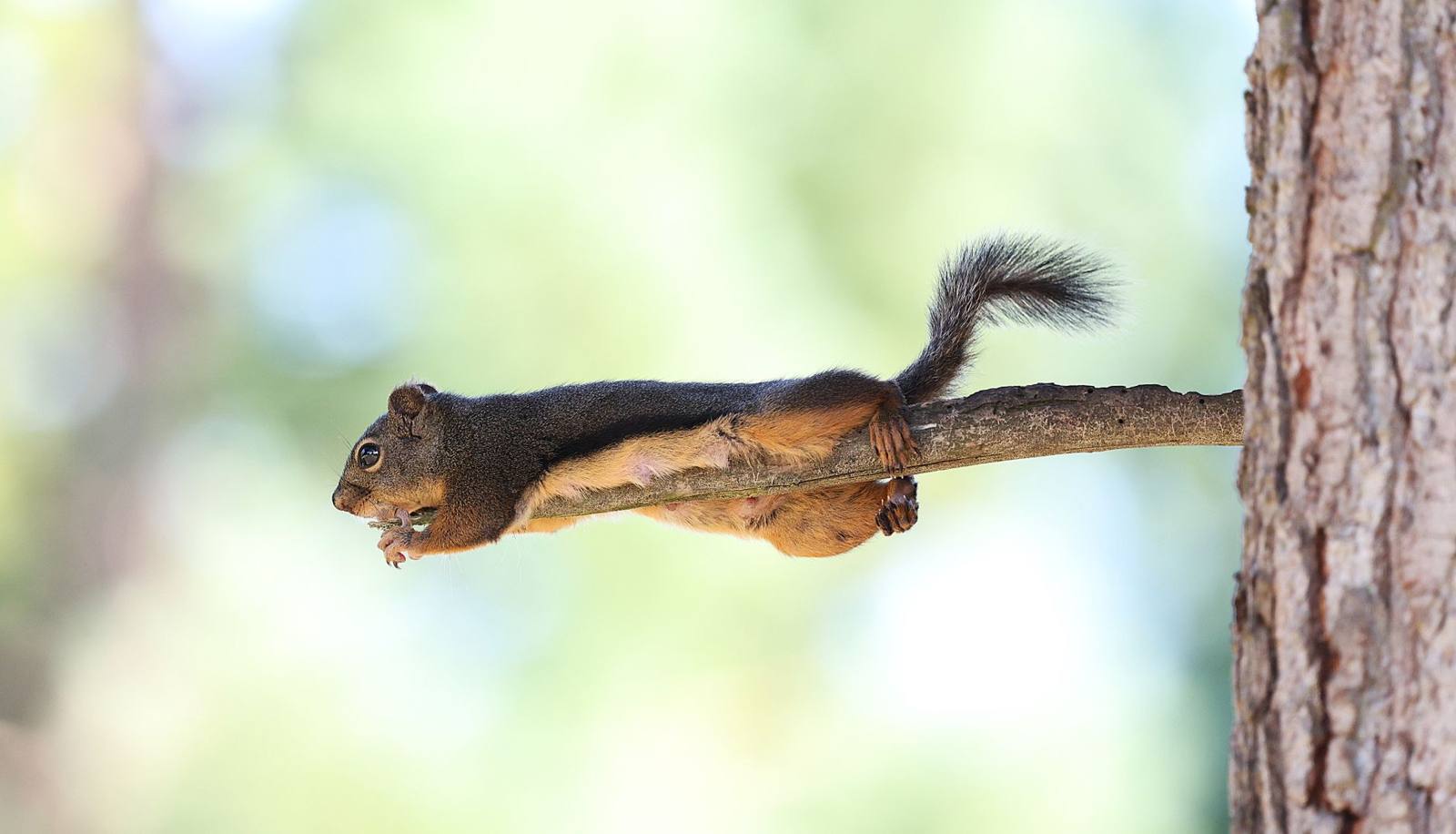
Douglas squirrels, wood-boring beetles, Pacific fishers, spotted owls, and black bears all depend on giant sequoia groves in different ways.
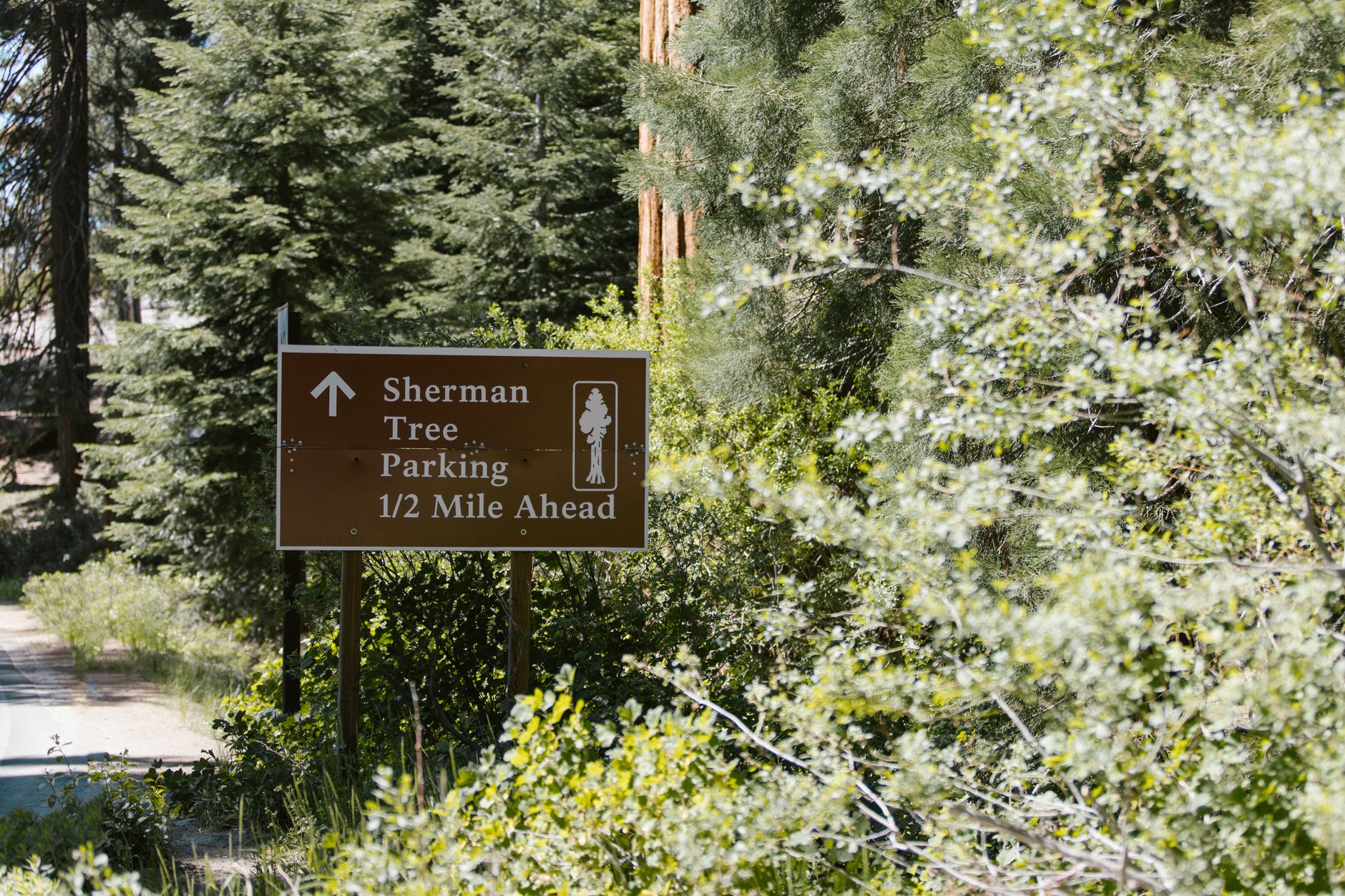
Sequoia is pronounced suh-KWOY-uh. The name was coined by Stephan Endlicher in 1847, probably for the Cherokee scholar Sequoyah, though he never said so.
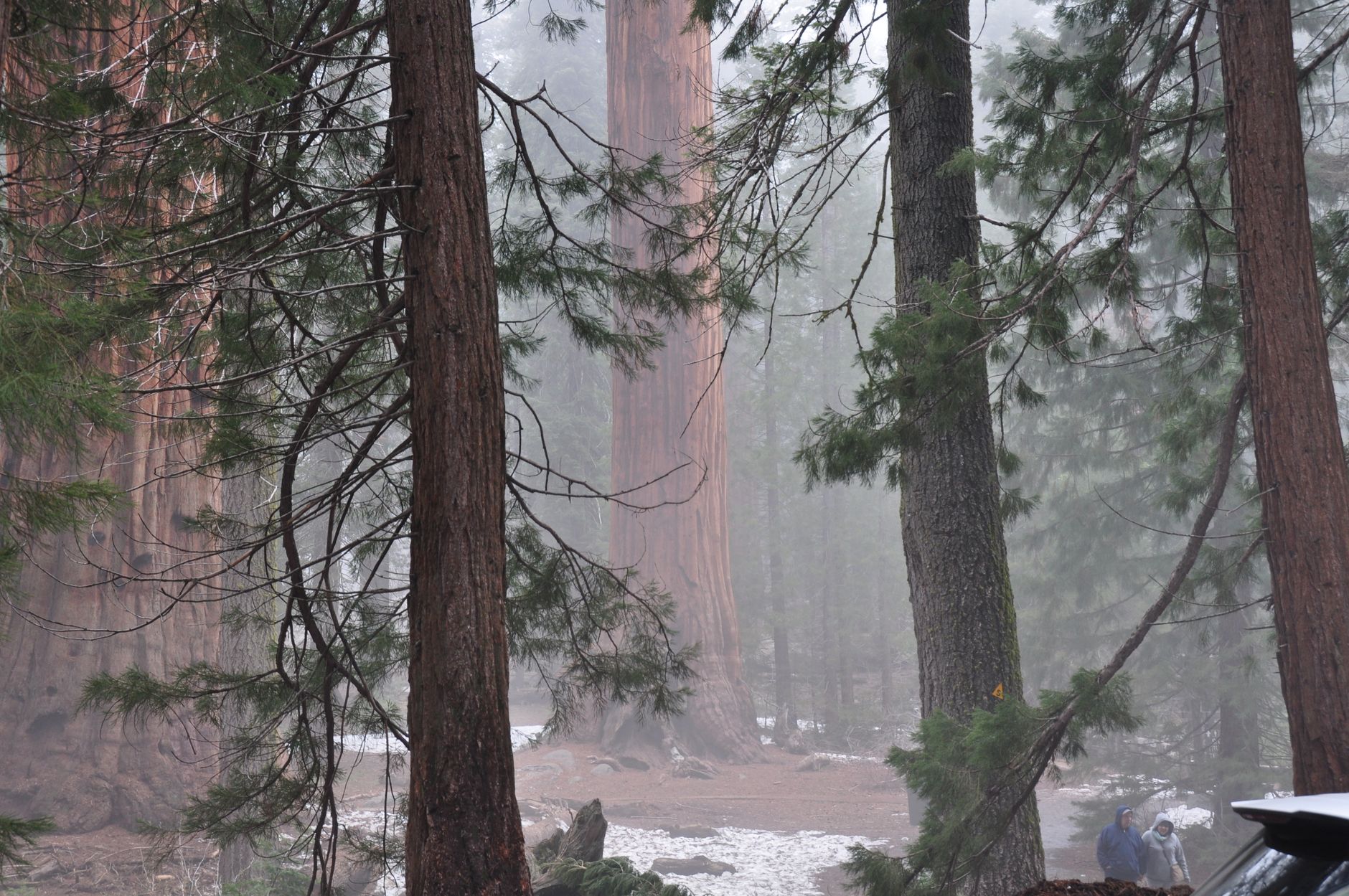
Wild giant sequoias grow only on the west slope of California’s Sierra Nevada, in 75 to 94 groves along a 260-mile belt at 4,600 to 7,050 feet. Here is why.
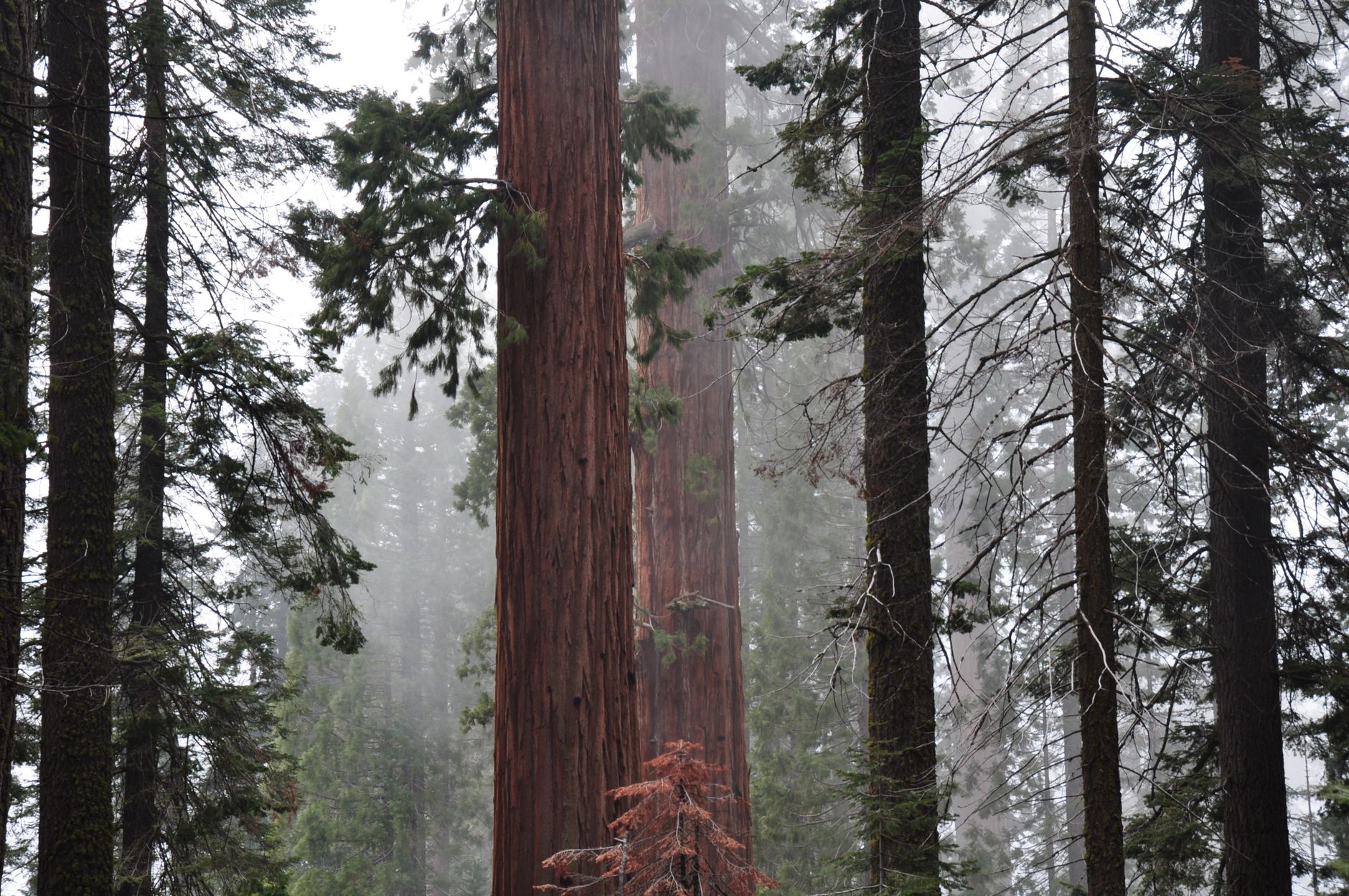
Giant sequoias are the largest trees by volume and grow inland in the Sierra; coast redwoods are the tallest and grow in coastal fog. All the differences.
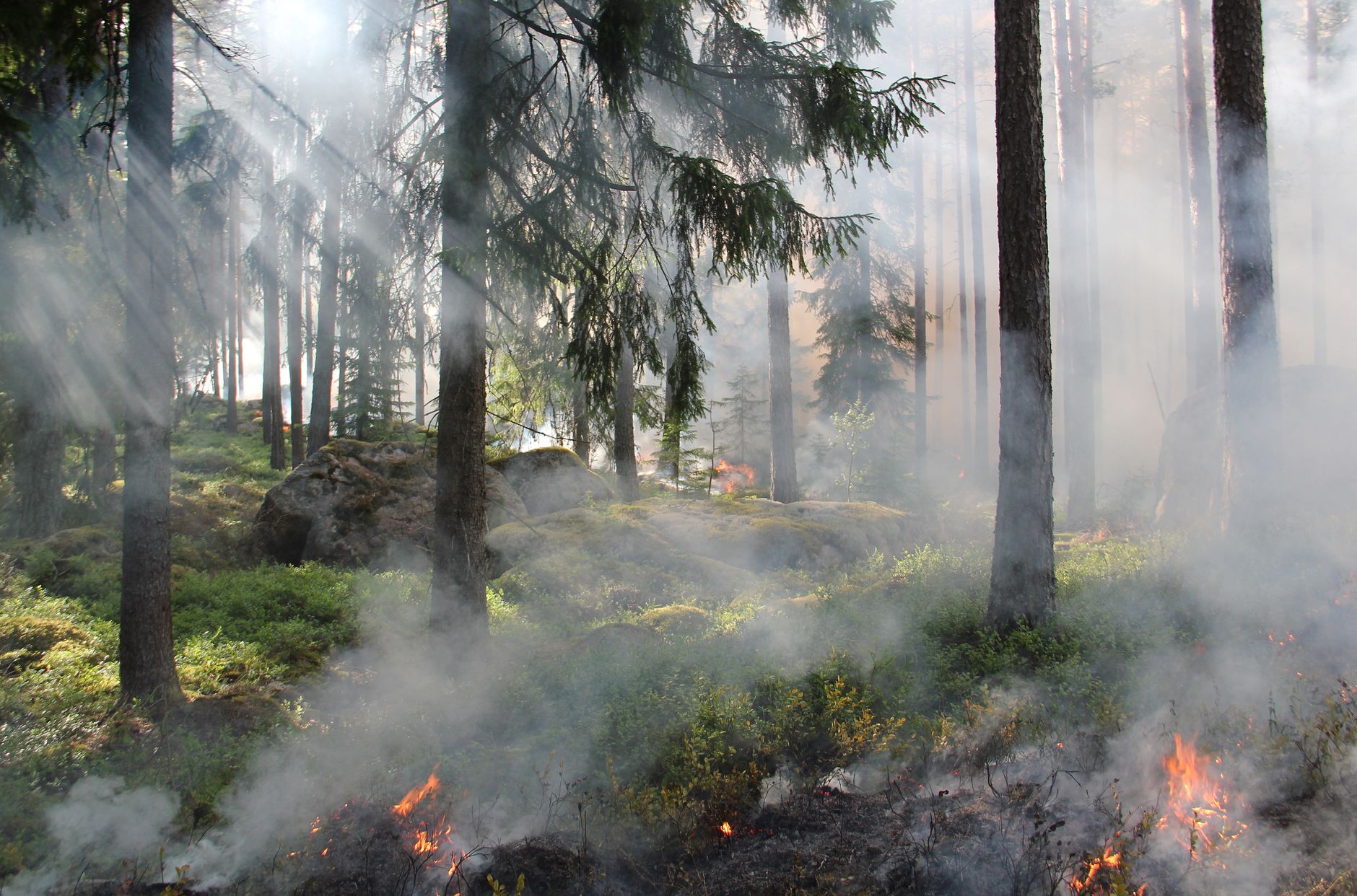
Sequoia and Kings Canyon have set deliberate fires in sequoia groves since 1968. Here is why, how a burn is planned, and what it saved in 2021.
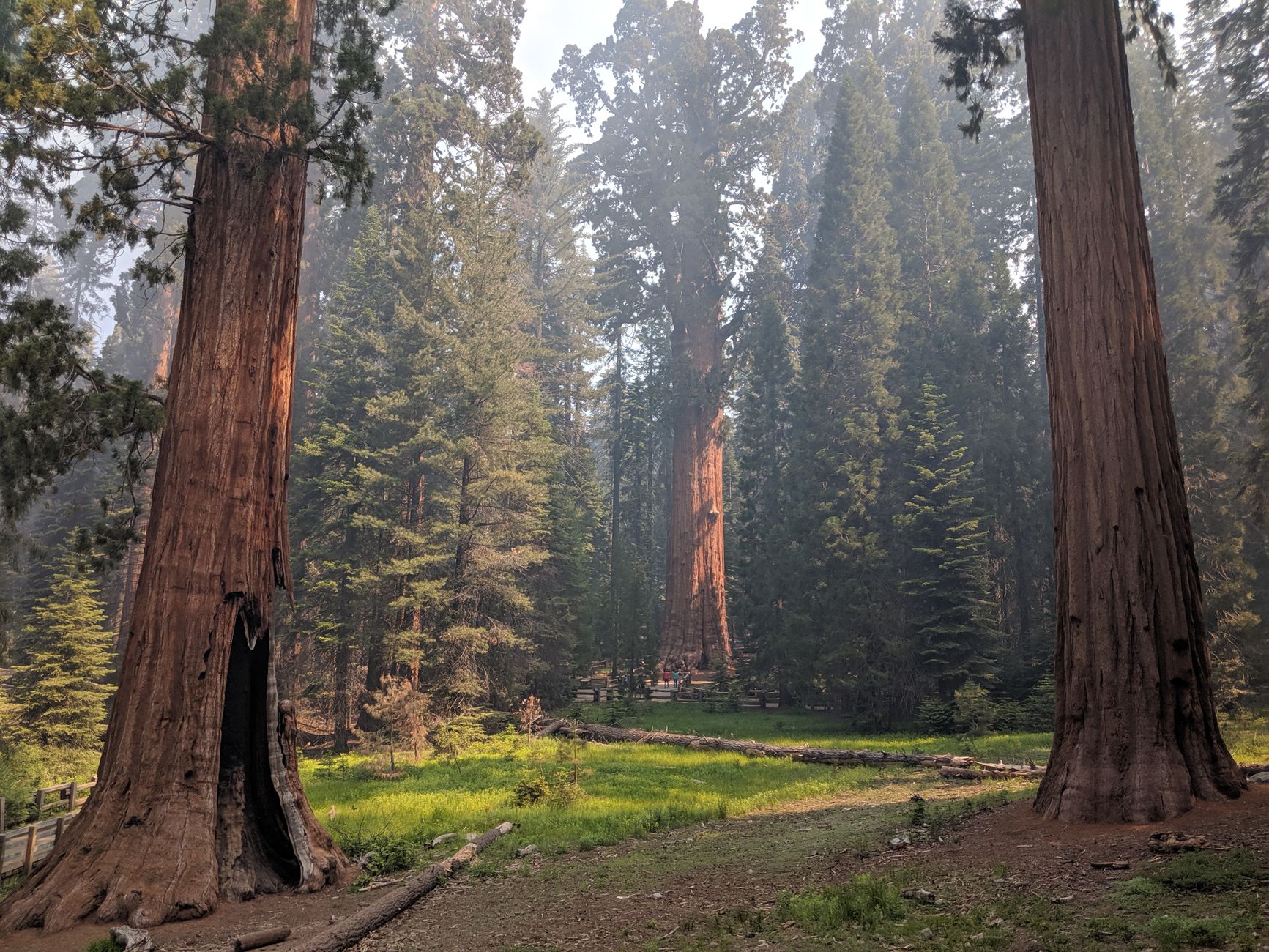
The NPS Top Thirty list ranks giant sequoias by trunk volume. General Sherman leads at 52,508 cu ft. The top 10 with volumes, heights, and where to find each.
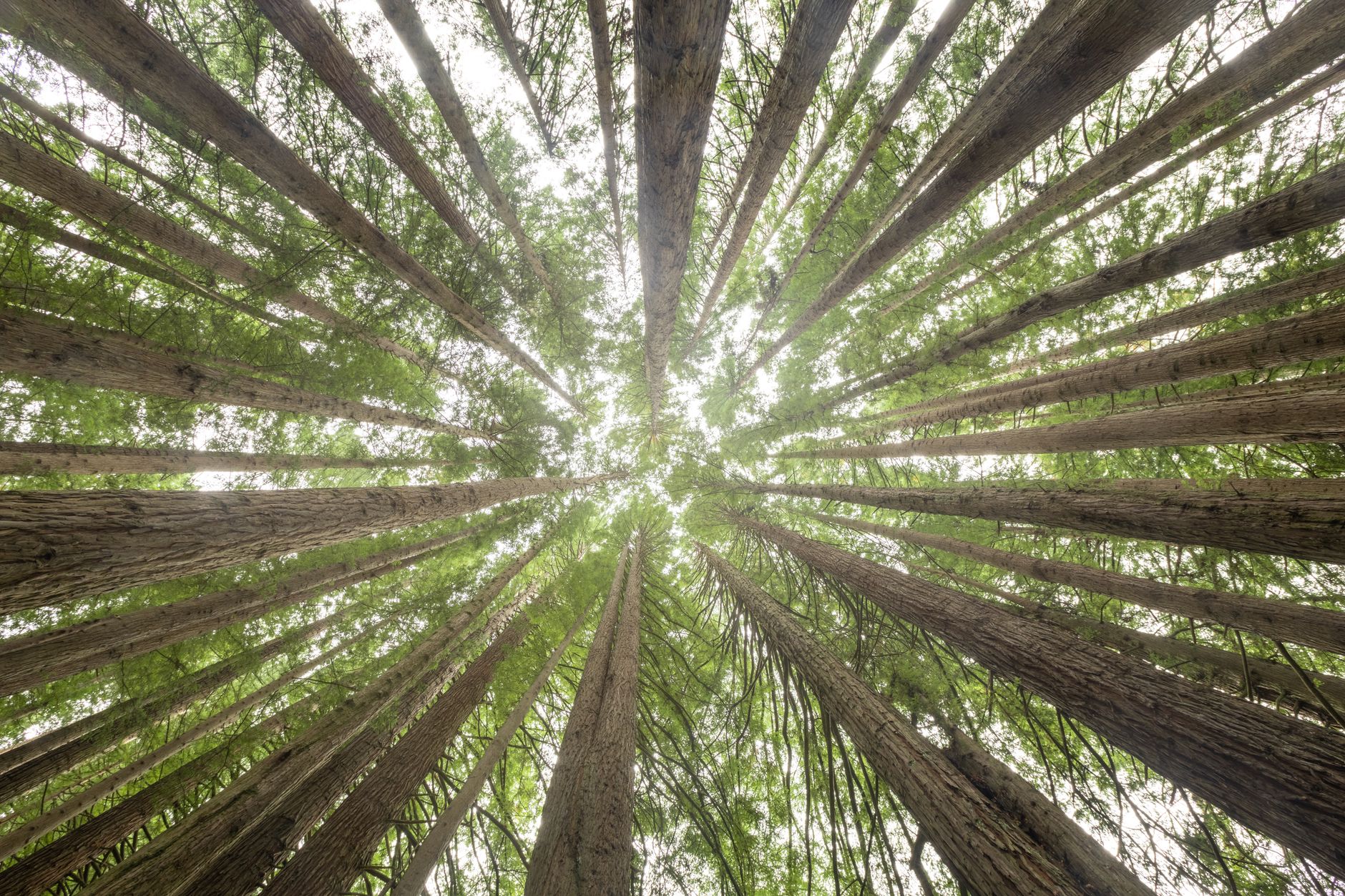
Hyperion is the tallest tree at about 380 ft. General Sherman is the largest at 52,500 cu ft. One you can walk to; the other sits inside a closure.