
How to Tell a Giant Sequoia from a Coast Redwood: Bark, Needles, Cones, and Location
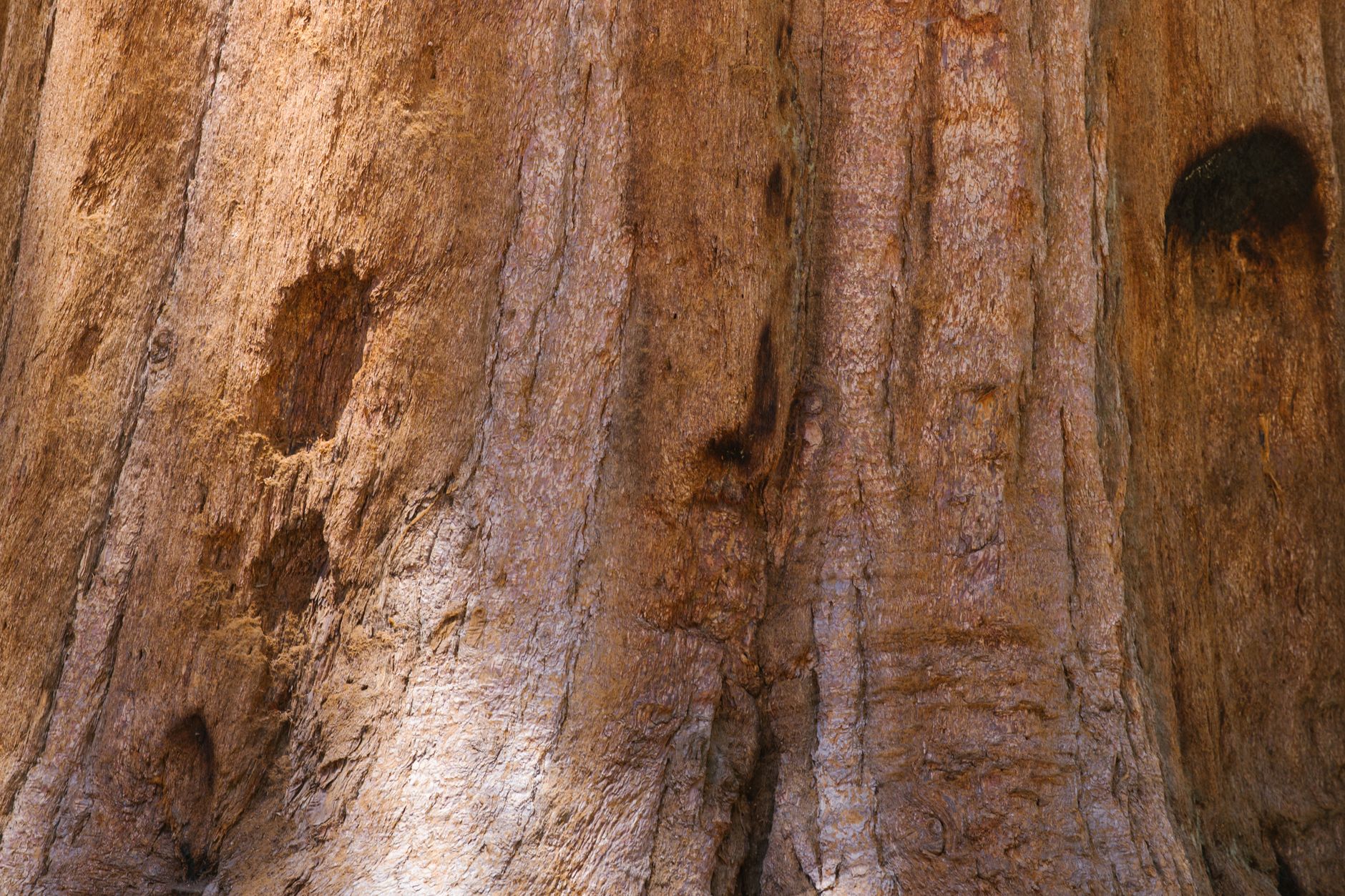
Location settles it in seconds: sequoias grow in the Sierra at 4,000-8,000 ft, coast redwoods in a coastal fog belt. Needles and cones confirm it.
Location settles it in seconds: sequoias grow in the Sierra at 4,000-8,000 ft, coast redwoods in a coastal fog belt. Needles and cones confirm it.
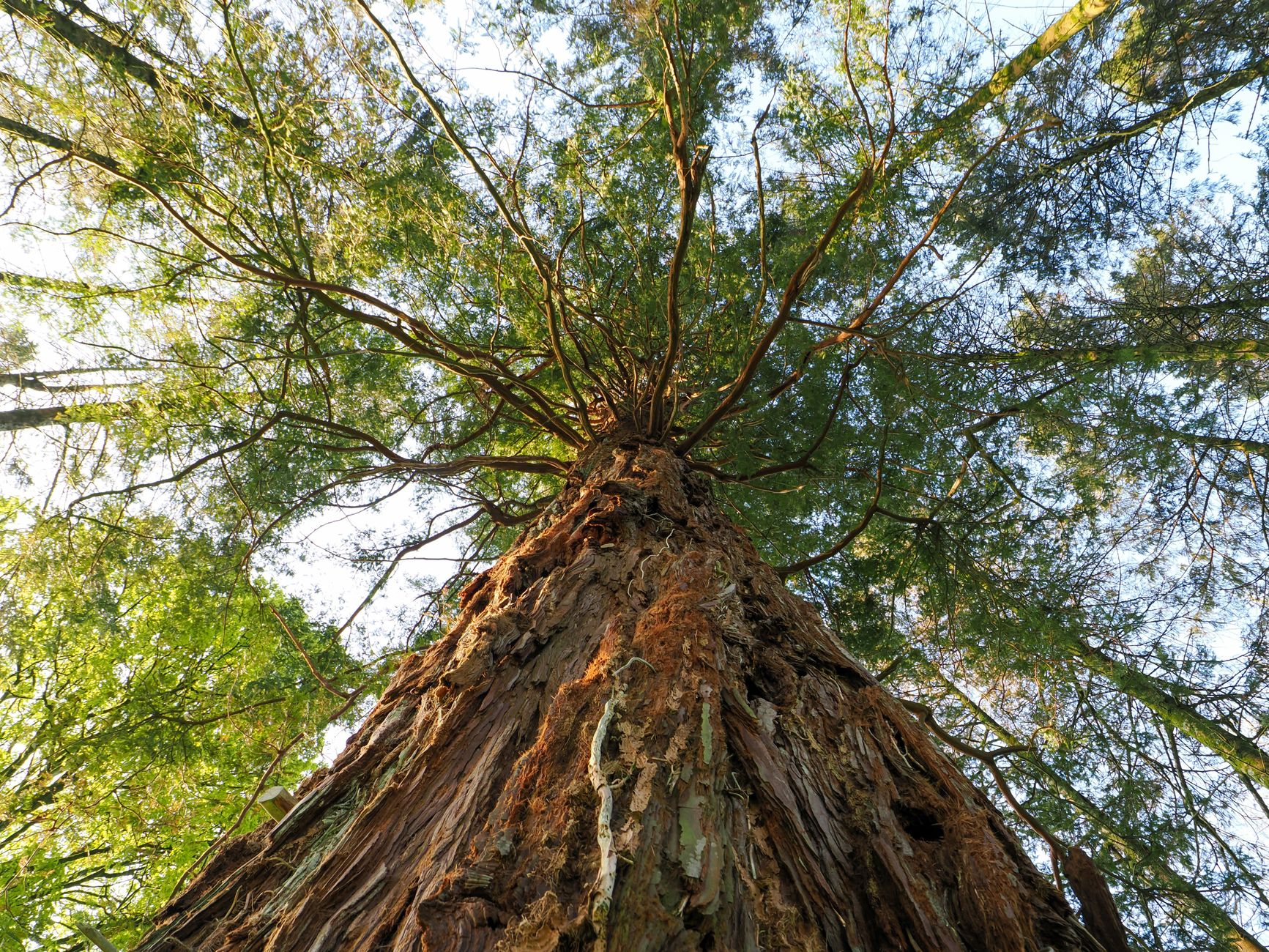
Giant sequoias typically reach 250 to 275 feet and top out near 310 feet. They are the largest trees by volume, not height. Why they get so big, and no taller.
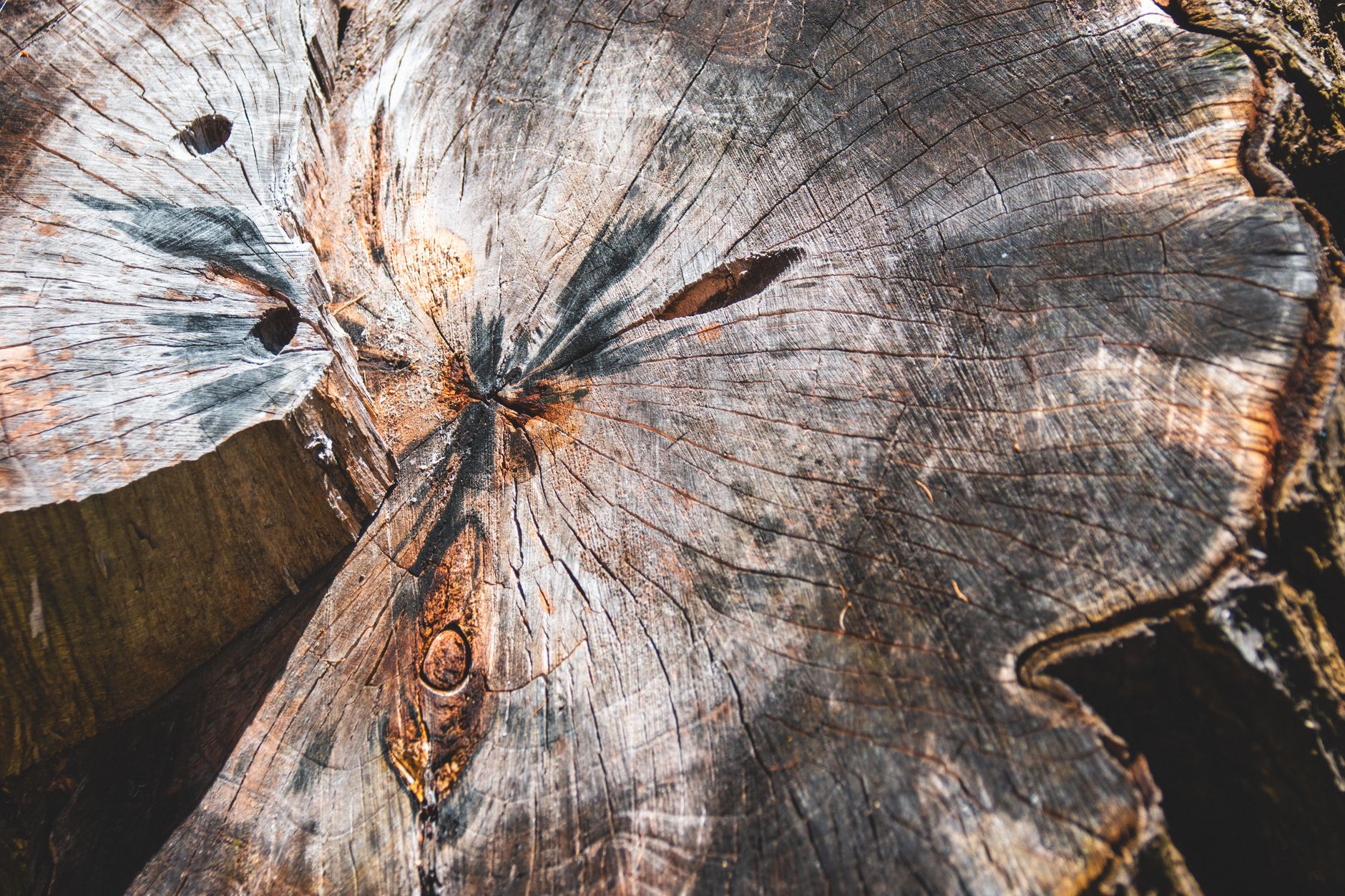
The oldest verified giant sequoia is a stump with 3,266 counted rings; the NPS puts the species maximum at 3,400 years. How age is measured, why sources vary.
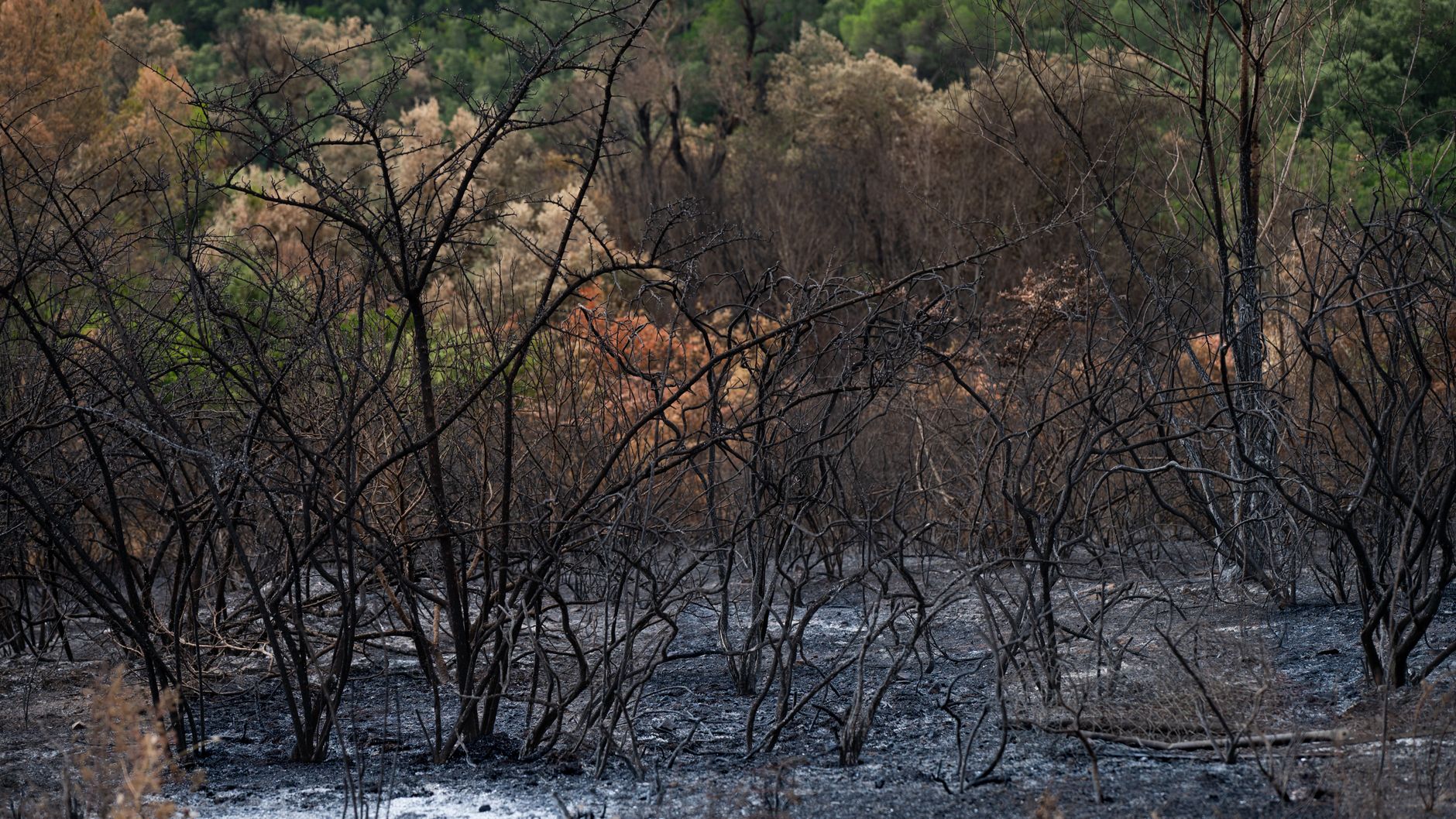
Fewer than 80,000 giant sequoias remain in the wild, and fires in 2020–21 killed 13 to 19 percent of the large ones. The numbers, their sources, the replanting.
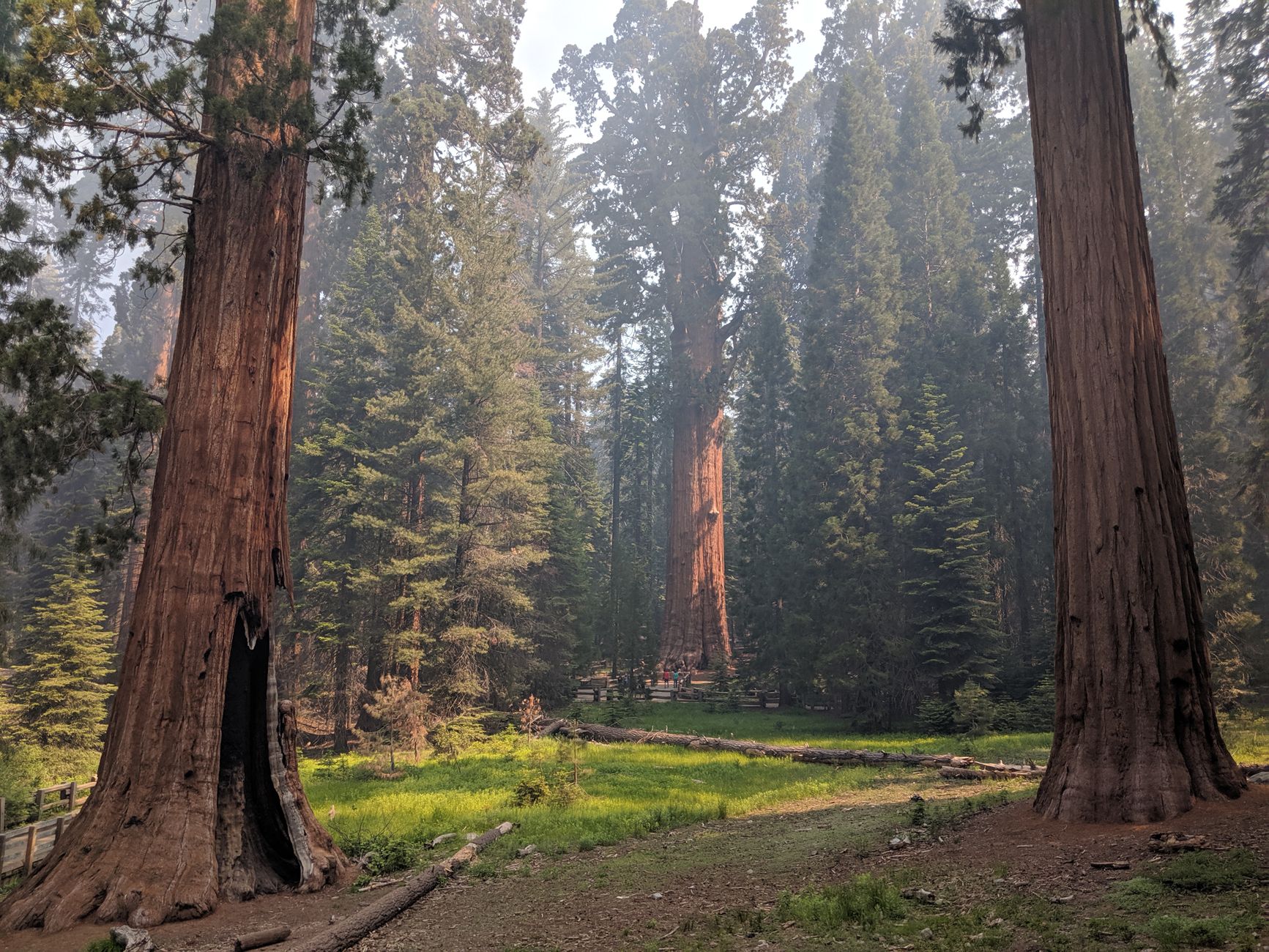
Giant sequoias evolved with fire every 6–35 years; it opens their cones and clears seedbeds. A century without it built the fuel that killed 13–19% in 2020–21.
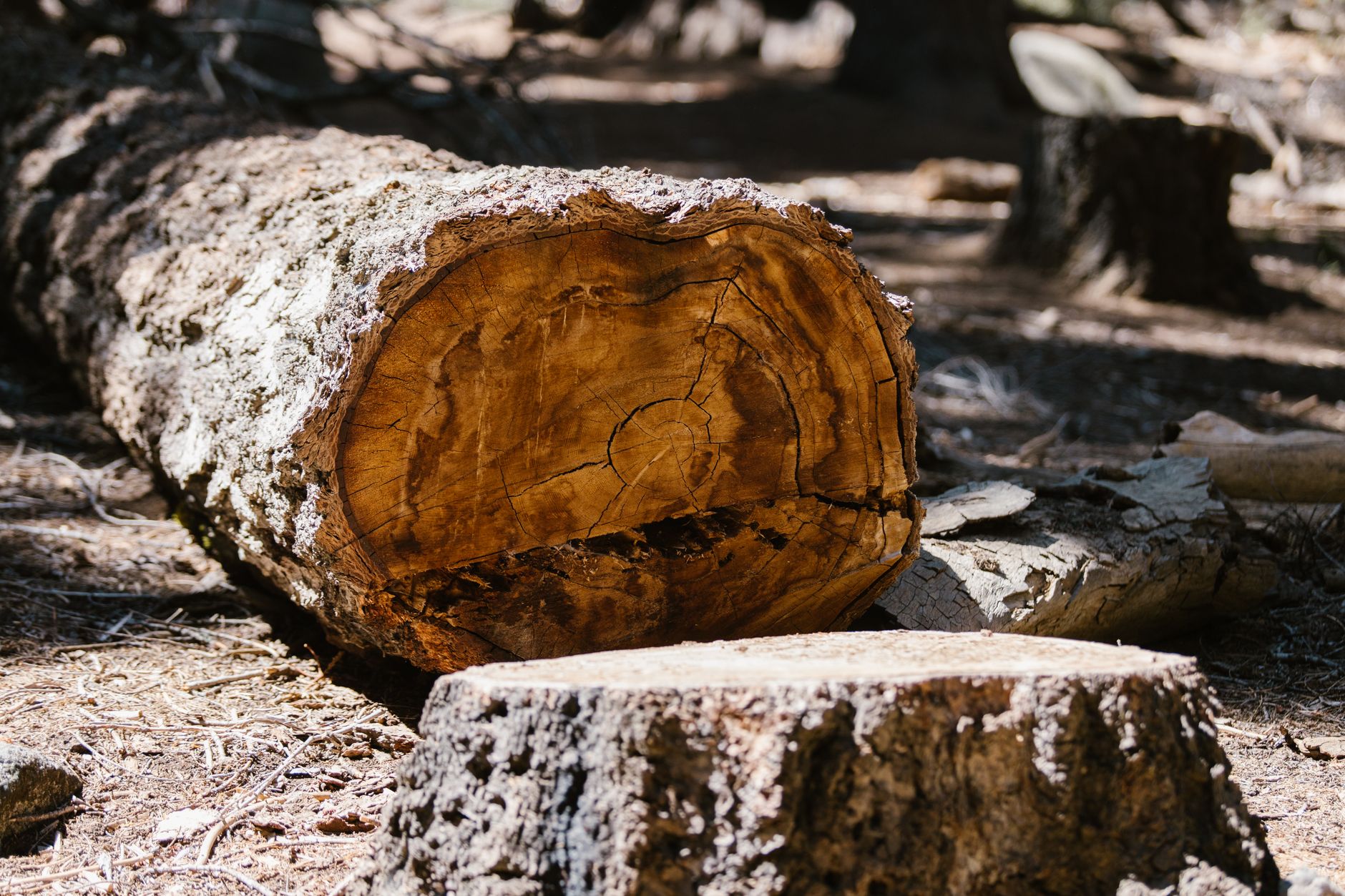
Old-growth sequoia wood is brittle and low in tensile strength. Loggers cut the world’s largest grove anyway, and never turned a profit.
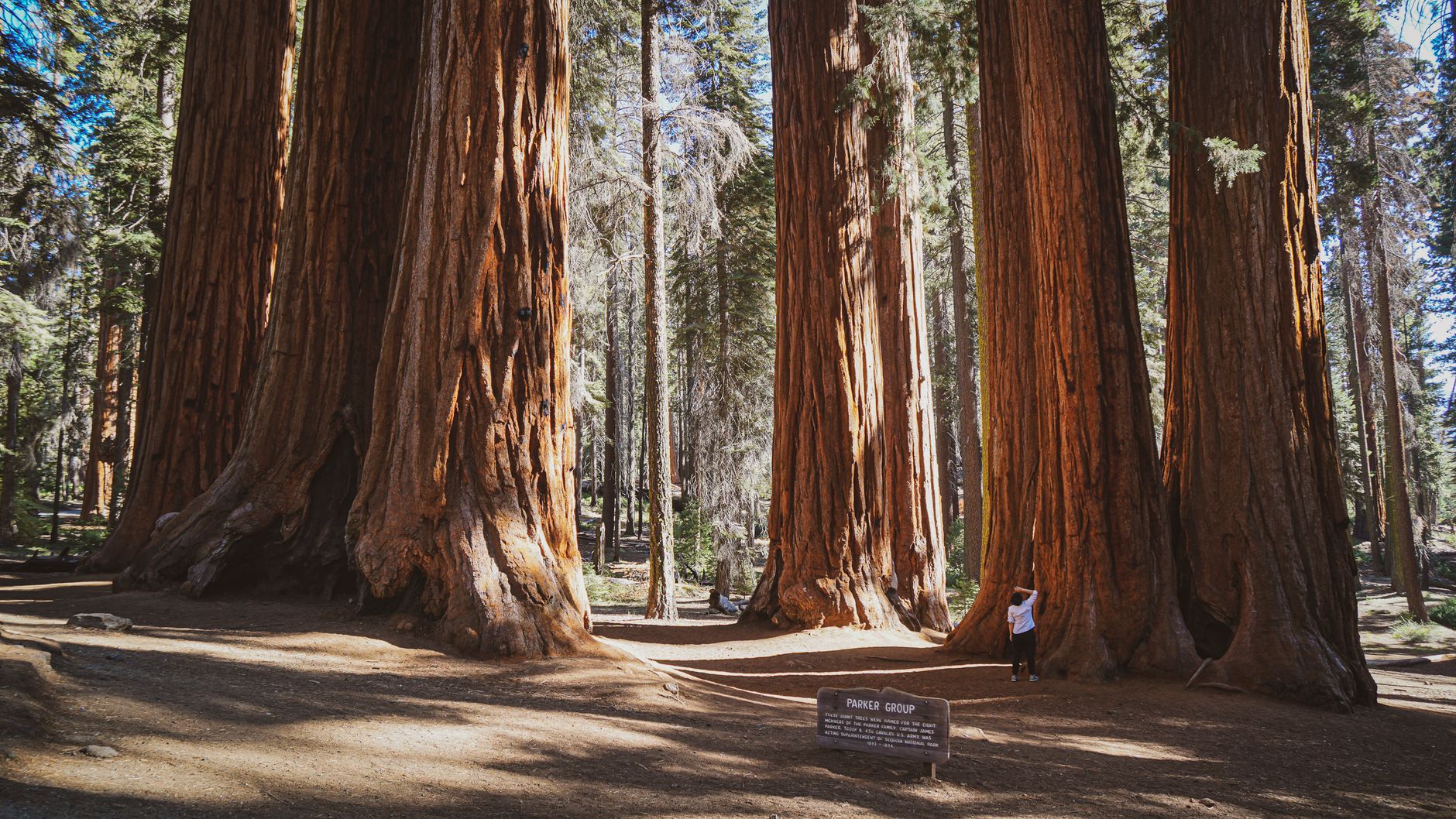
The complete guide to giant sequoias: the largest trees on Earth by volume, living 3,000+ years in Sierra Nevada groves, and what fire and drought mean for them
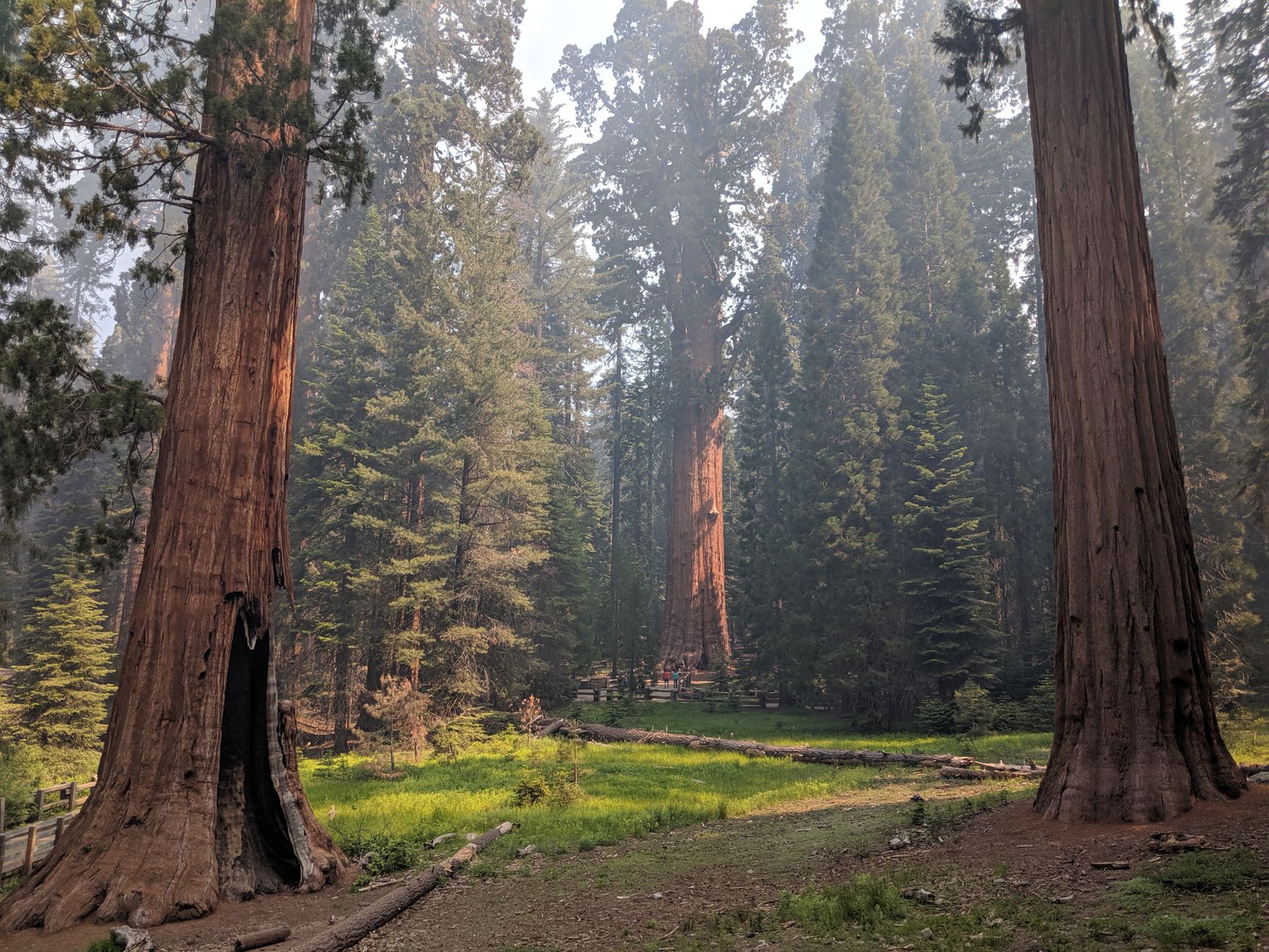
Giant sequoia roots rarely go deeper than 3 feet but spread 100 feet or more, and toppling, not fire or age, has long been the main way these trees die.
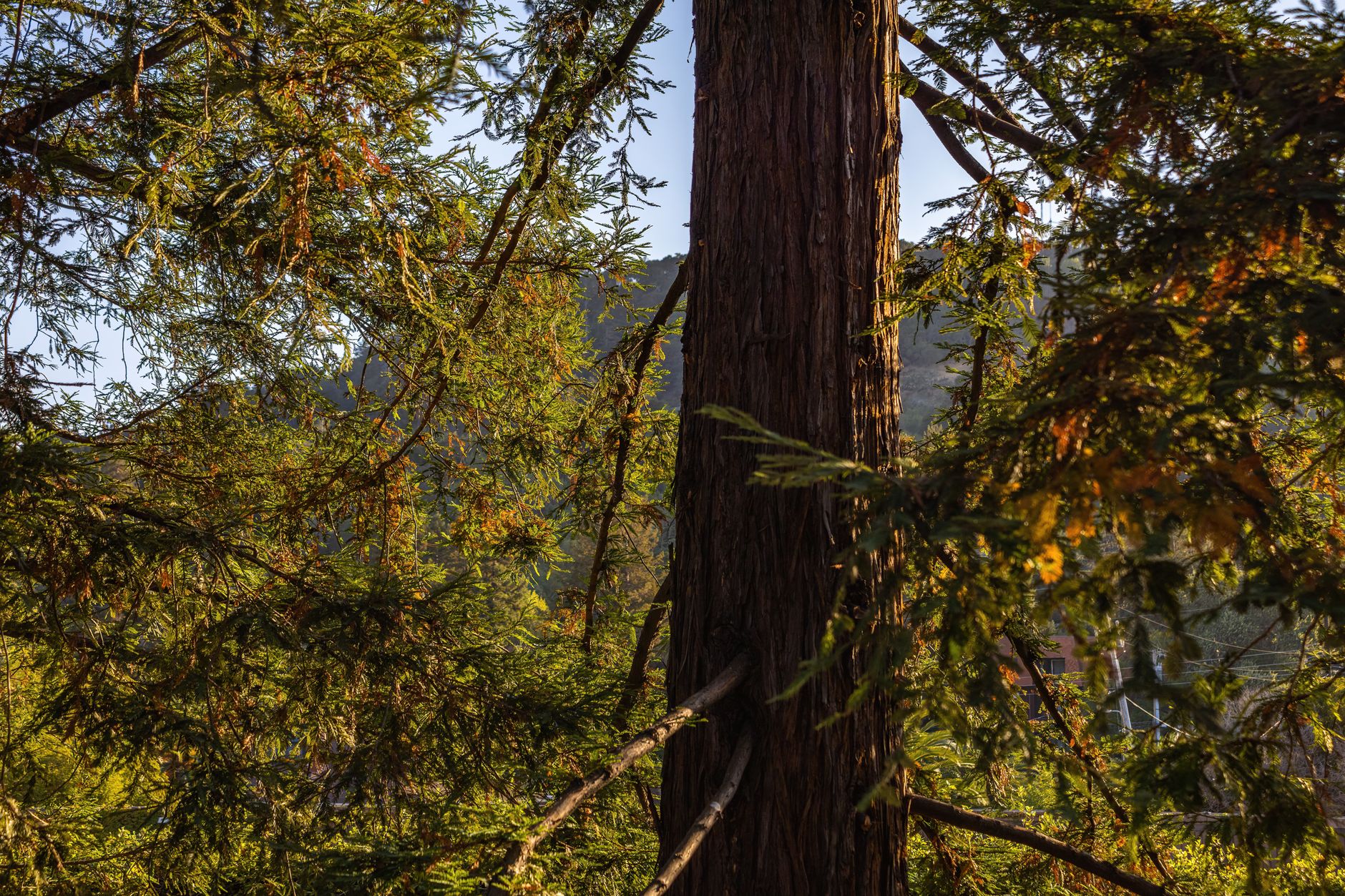
A giant sequoia starts as a seed weighing 1/91,000 of a pound and can live past 3,000 years. Here is every stage, with the survival odds at each.
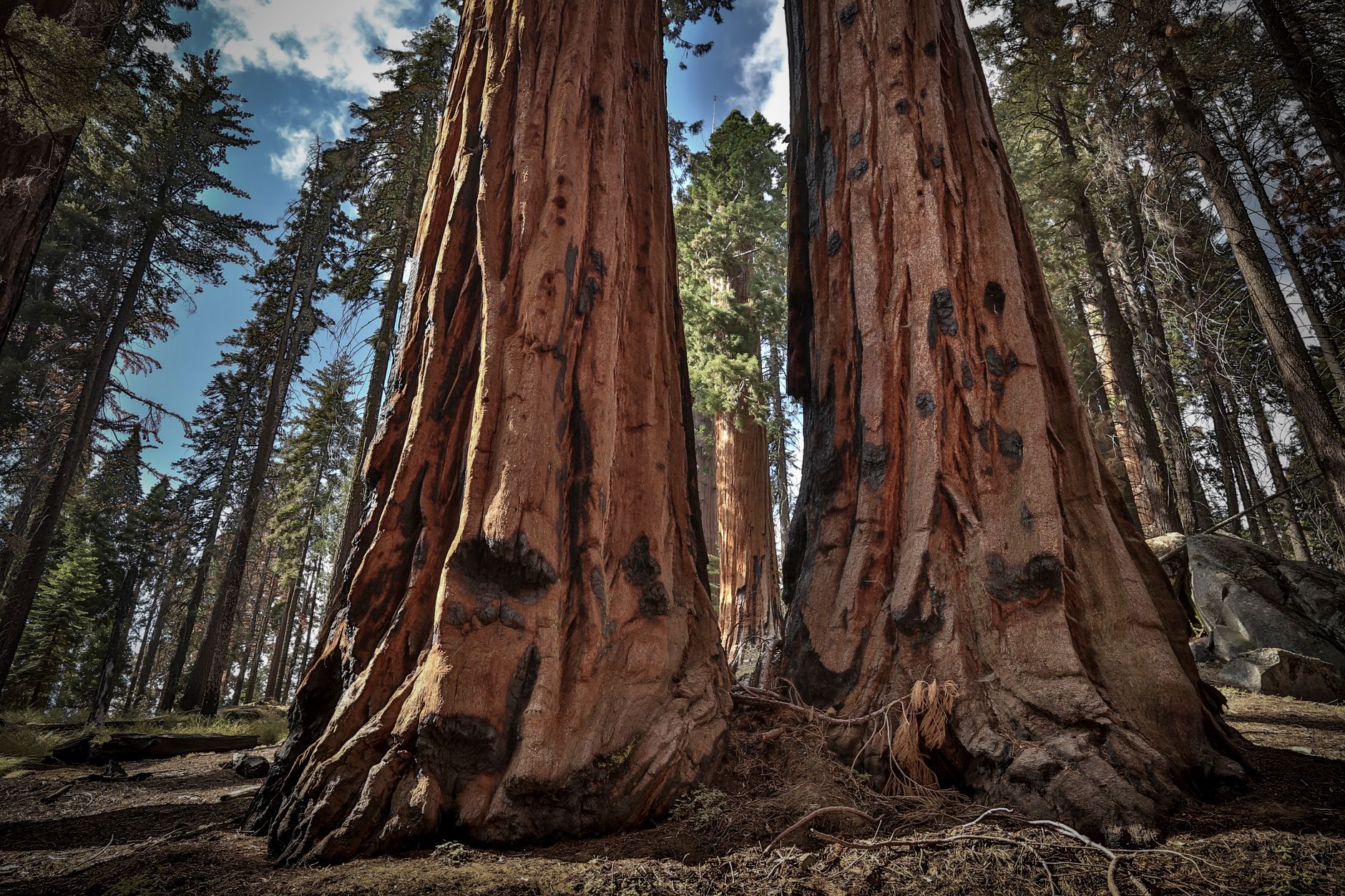
30 sourced facts about giant sequoias: the largest tree by volume, 3,200-year ring counts, 91,000 seeds to the pound, and a belt only 260 miles long.