
Giant Sequoia vs Coast Redwood: Which One to Plant
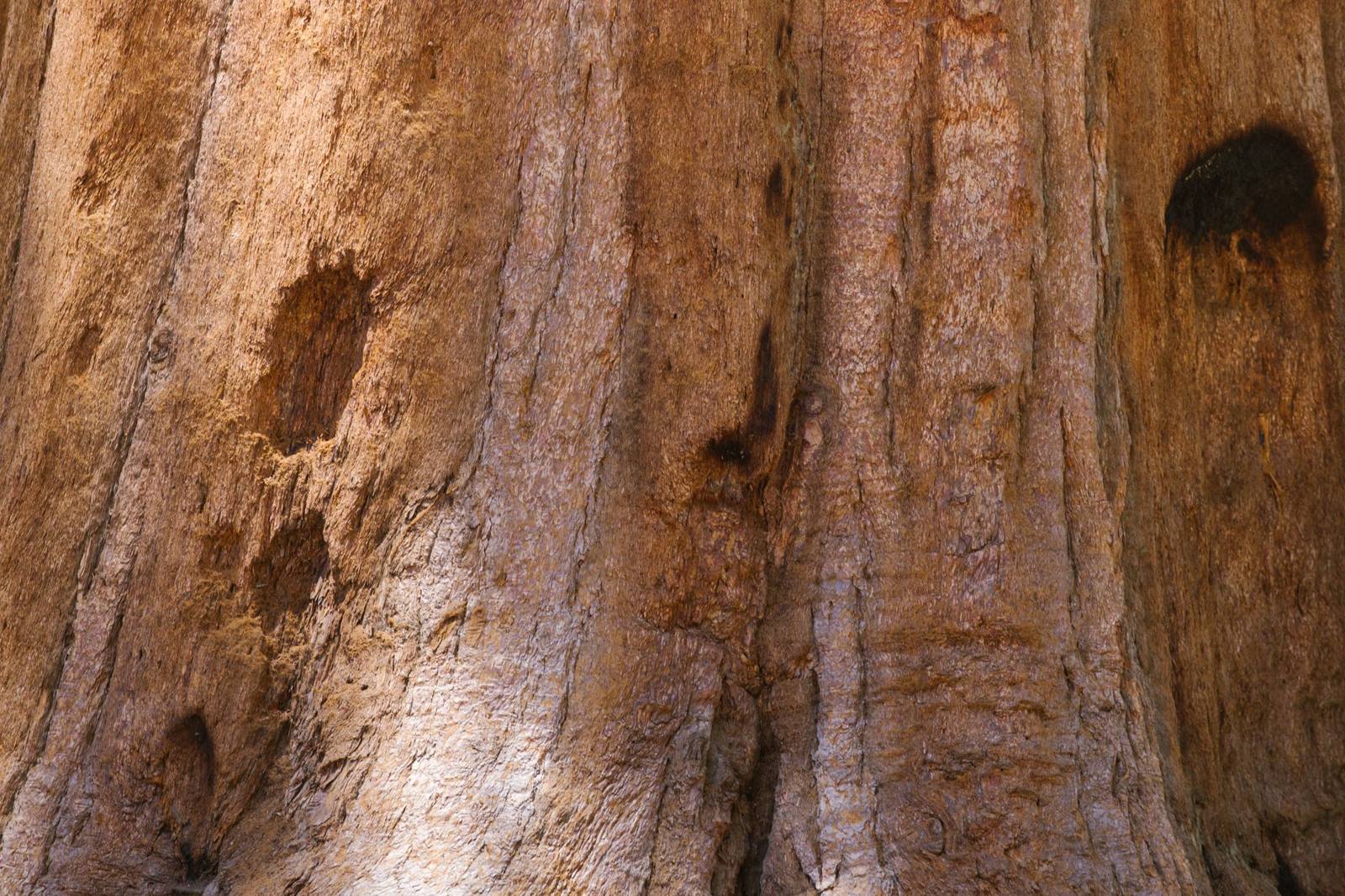
Giant sequoia (Zone 6-8) tolerates cold and dry air better; coast redwood (Zone 7-10) needs coastal fog and consistent moisture.
Giant sequoia (Zone 6-8) tolerates cold and dry air better; coast redwood (Zone 7-10) needs coastal fog and consistent moisture.
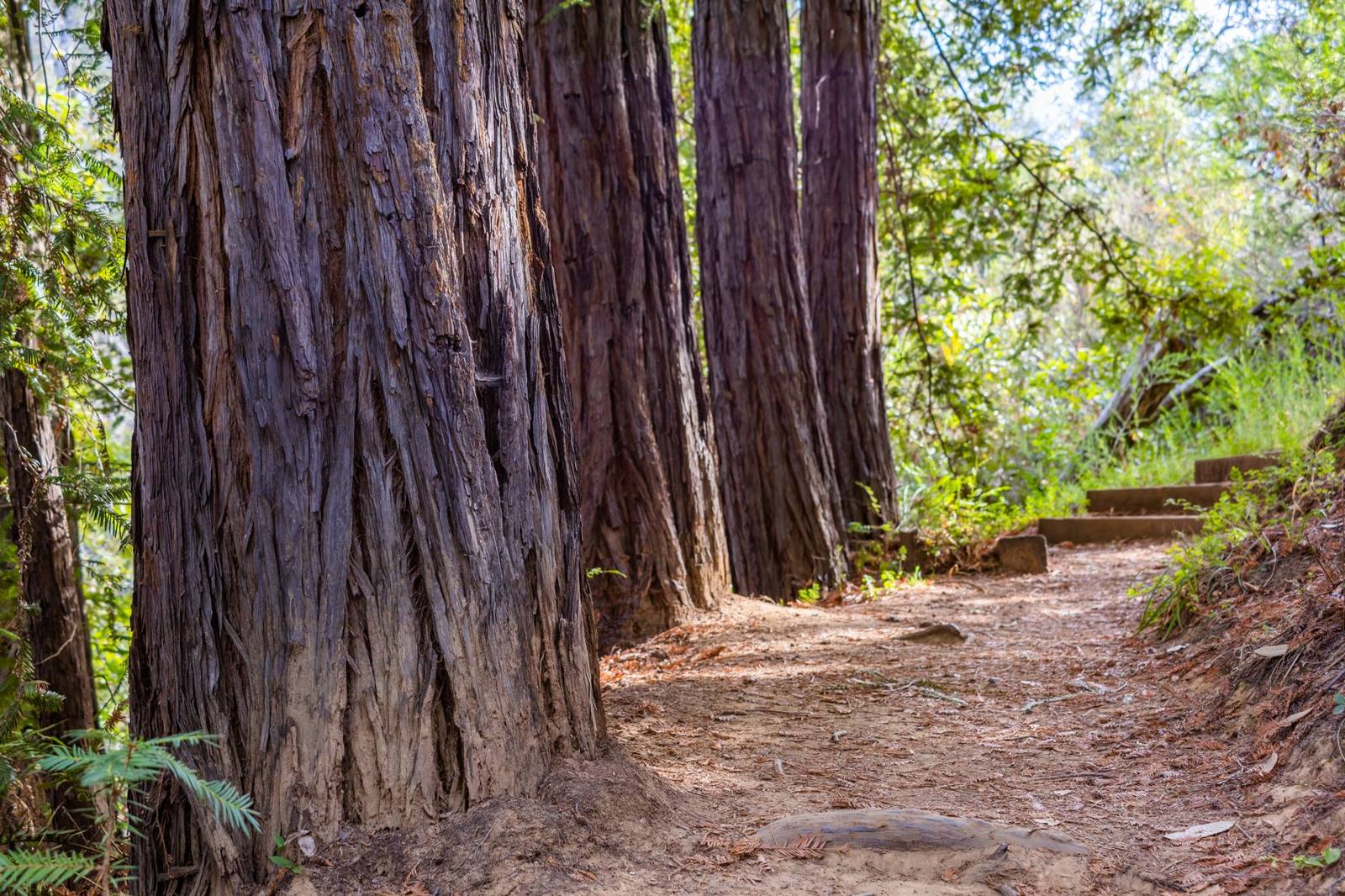
California’s state tree is not one species. Government Code Section 422 names coast redwood and giant sequoia together, a fix added in 1953.
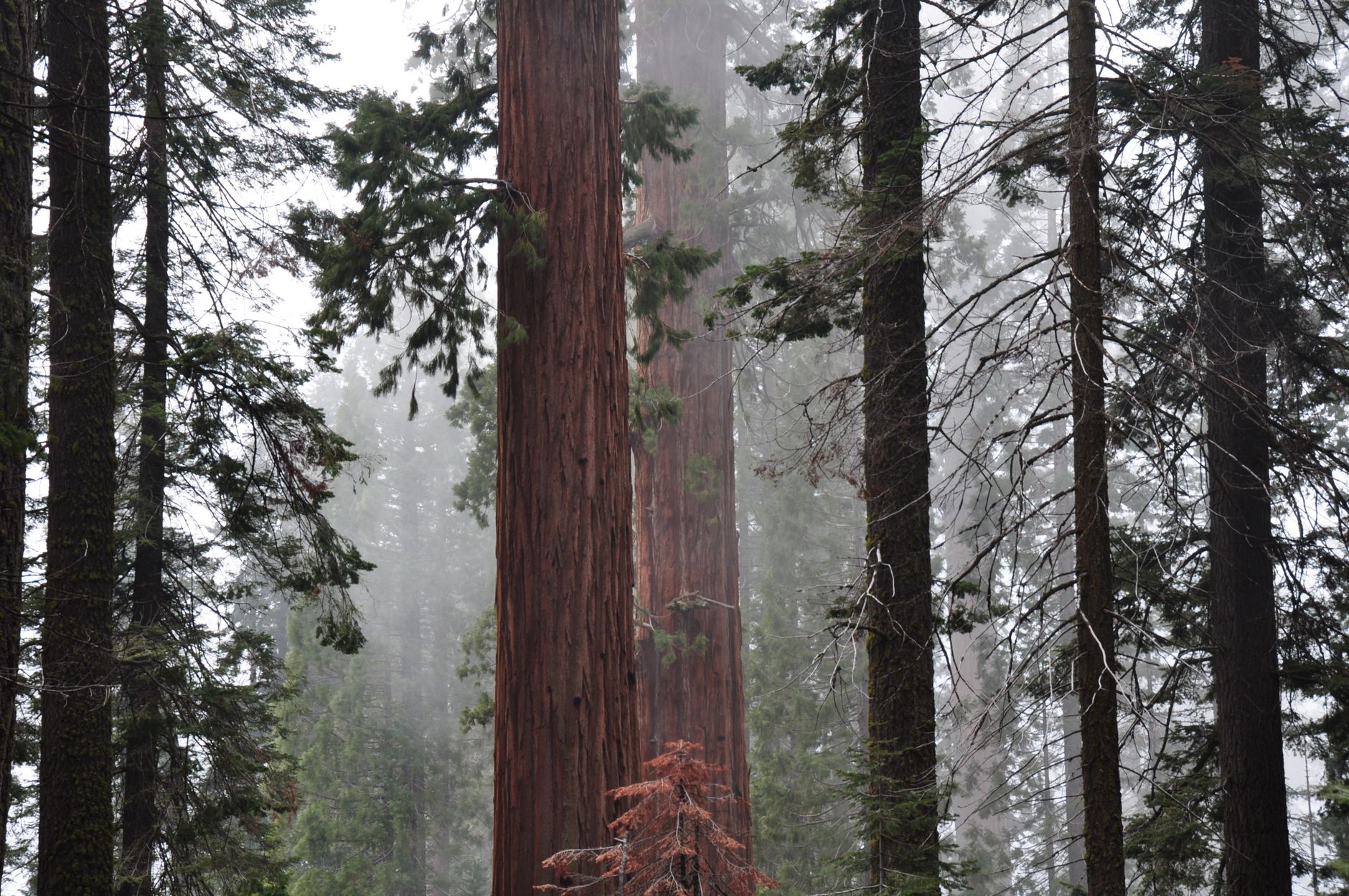
Giant sequoias are the largest trees by volume and grow inland in the Sierra; coast redwoods are the tallest and grow in coastal fog. All the differences.
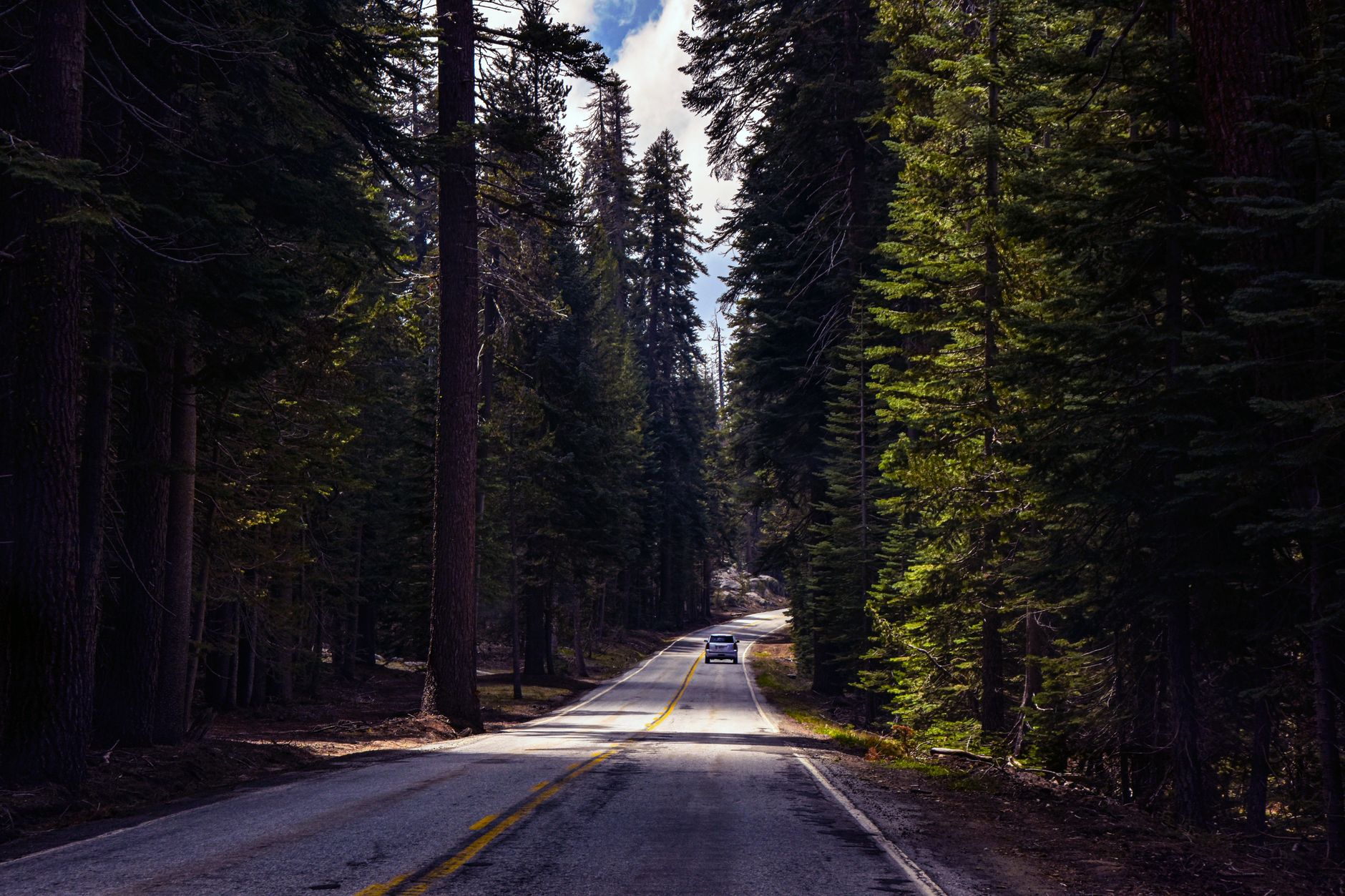
A one-week loop from San Francisco through the coast redwoods and inland to Sequoia National Park, with the drives and sights the research supports.
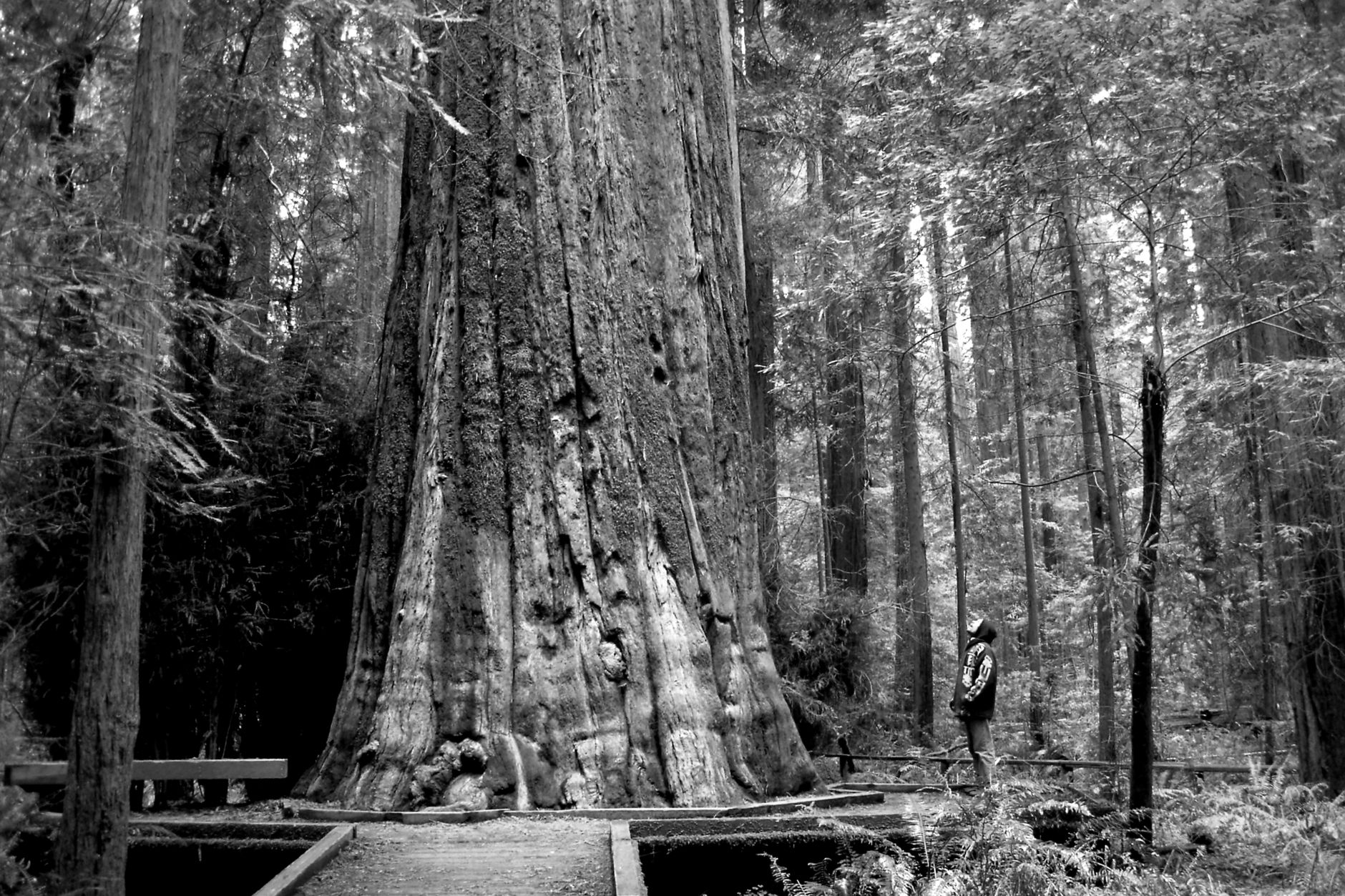
Redwood National Park has the tallest trees and no entrance fee; Sequoia has the biggest tree on Earth for $35. Fees, drives, permits, and seasons compared.
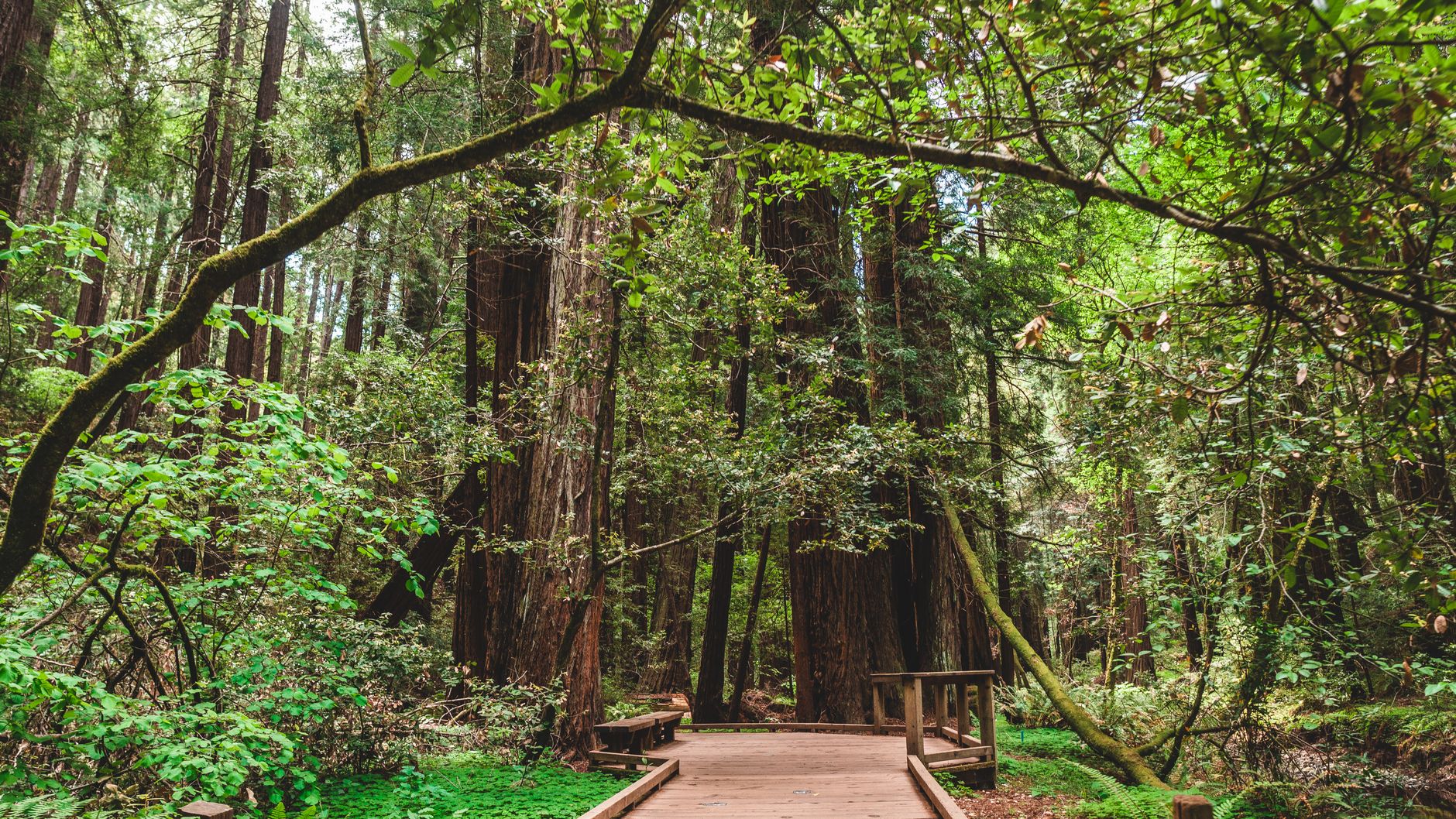
Muir Woods is a 550-acre redwood park near San Francisco with timed entry; Sequoia National Park is a much farther trip built around giant sequoias.
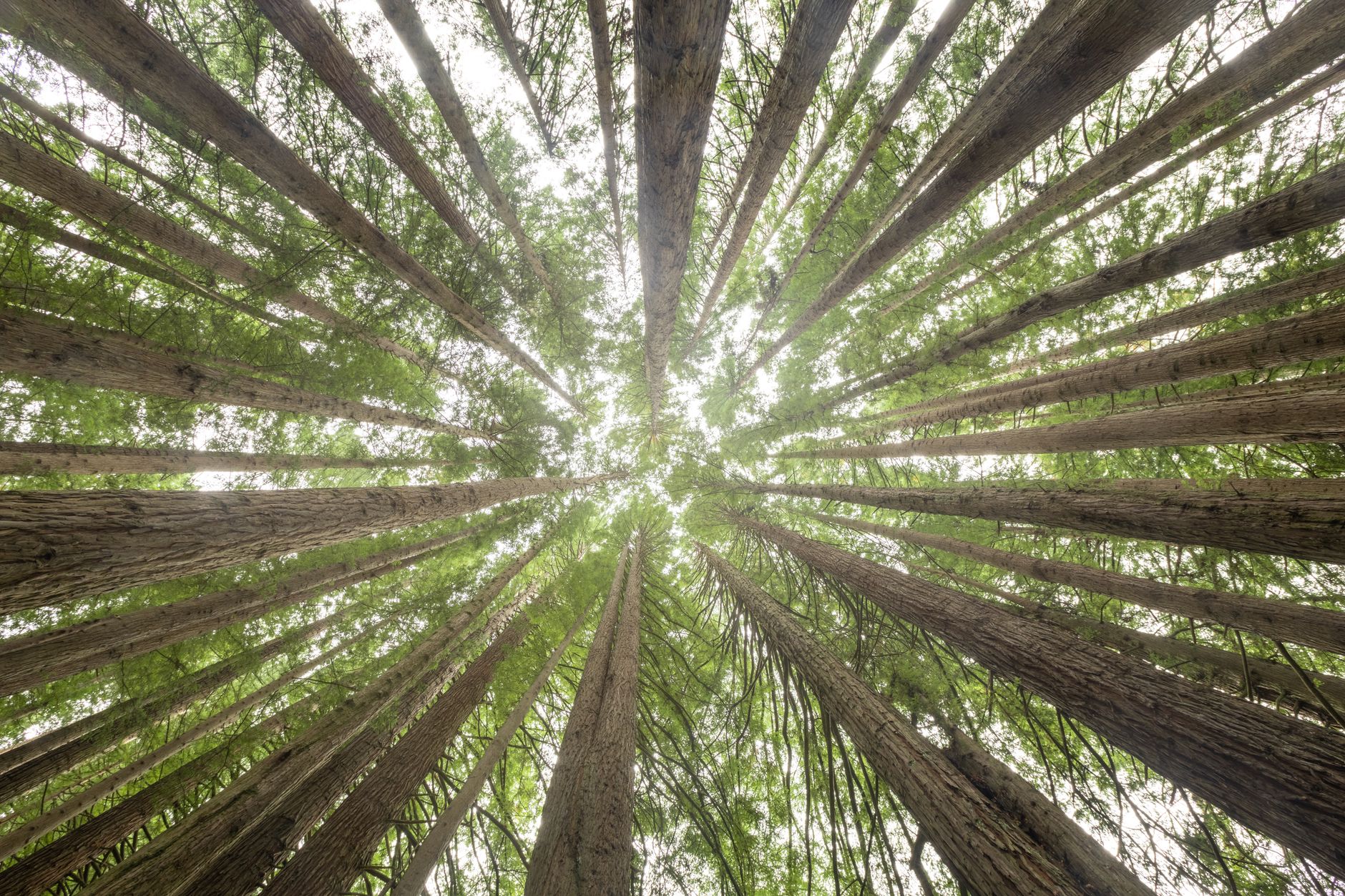
Hyperion is the tallest tree at about 380 ft. General Sherman is the largest at 52,500 cu ft. One you can walk to; the other sits inside a closure.
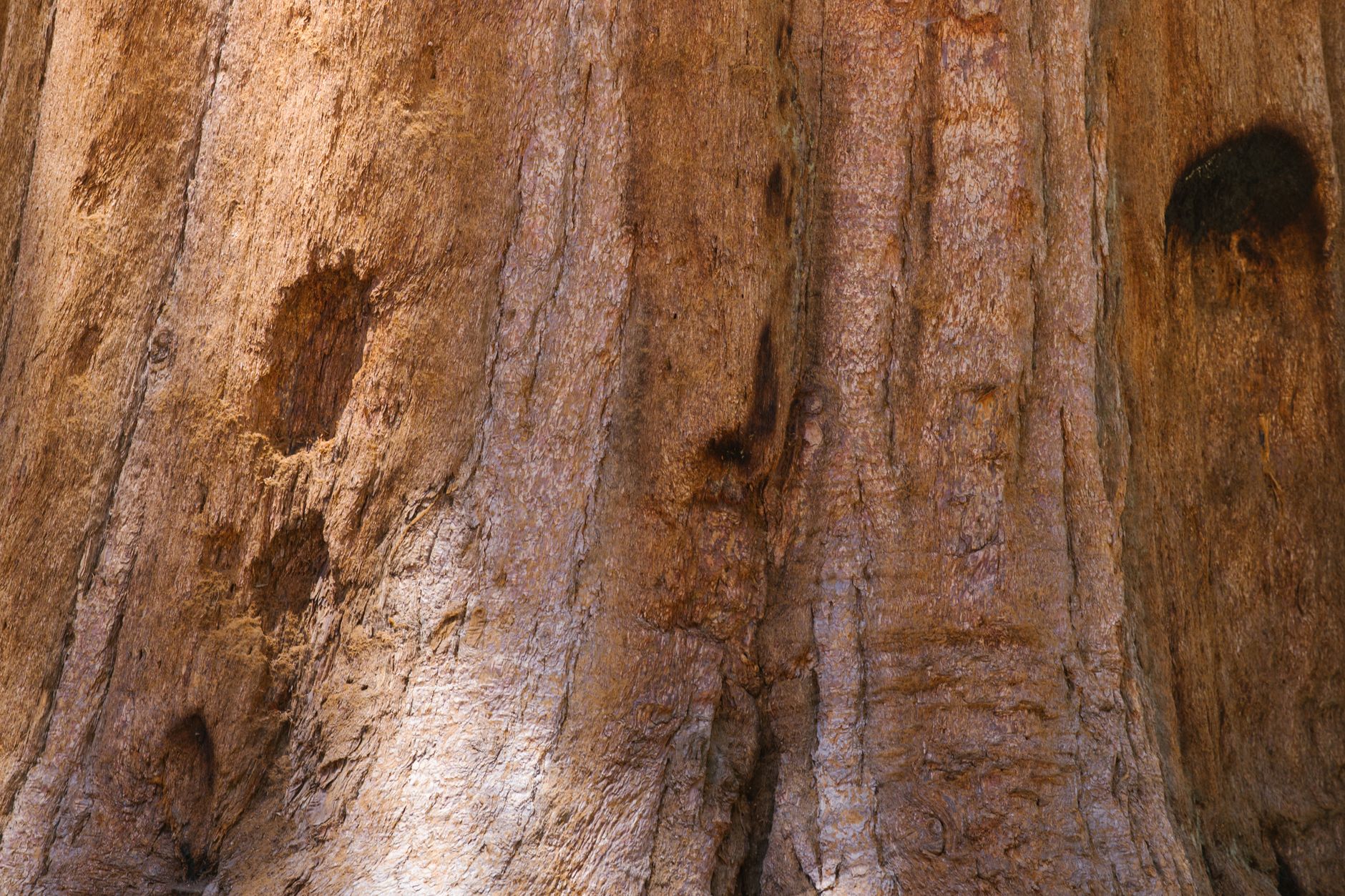
Location settles it in seconds: sequoias grow in the Sierra at 4,000-8,000 ft, coast redwoods in a coastal fog belt. Needles and cones confirm it.
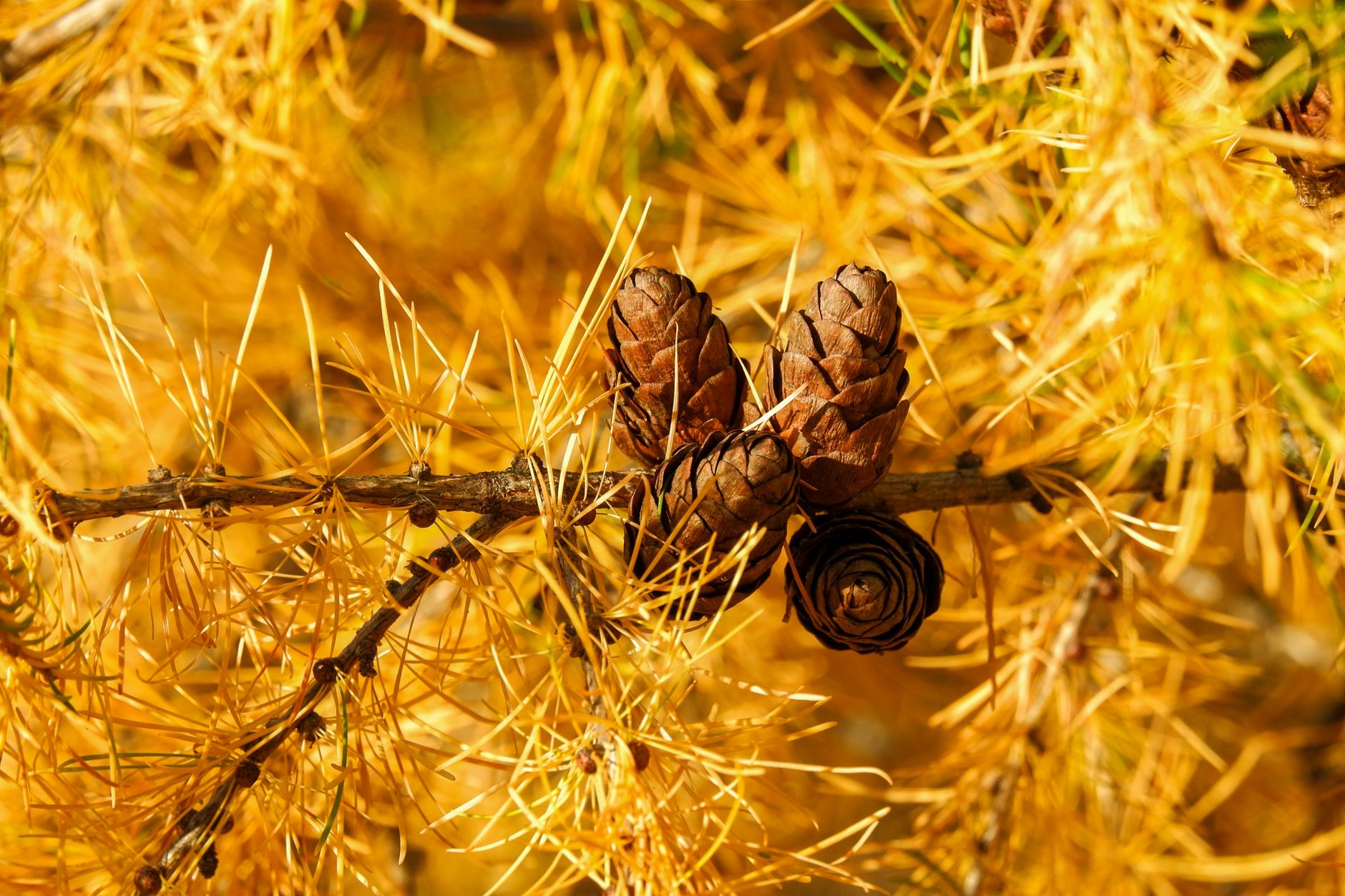
Three species share the redwood name: the largest tree, the tallest tree, and a deciduous living fossil found alive in China in the 1940s.