
Sequoiadendron giganteum: Taxonomy, and Why ‘Sequoia’ Technically Means Coast Redwood
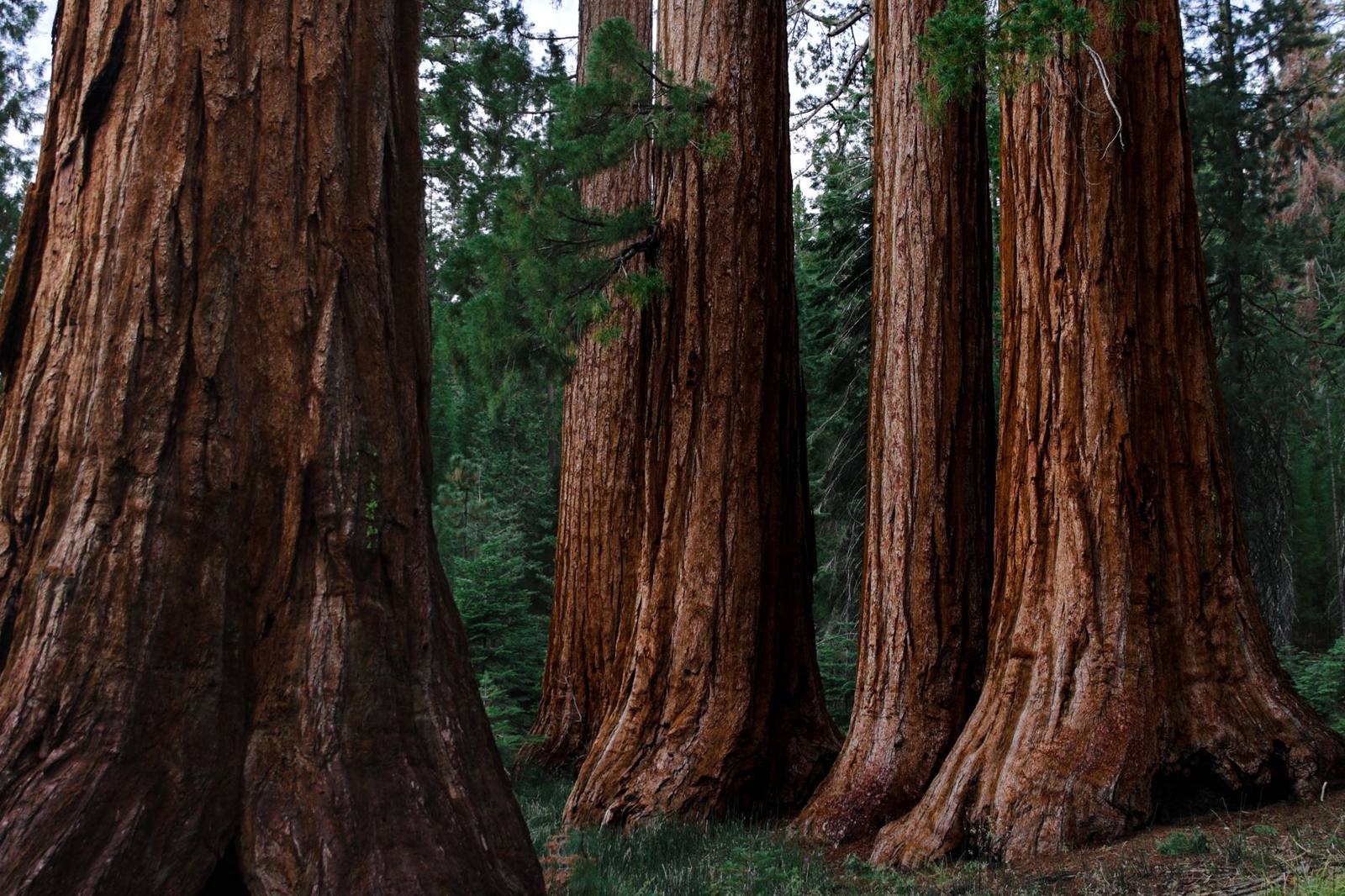
Sequoiadendron giganteum is the giant sequoia’s correct scientific name since 1939. Before that it was misclassified in the genus Sequoia.
Sequoiadendron giganteum is the giant sequoia’s correct scientific name since 1939. Before that it was misclassified in the genus Sequoia.
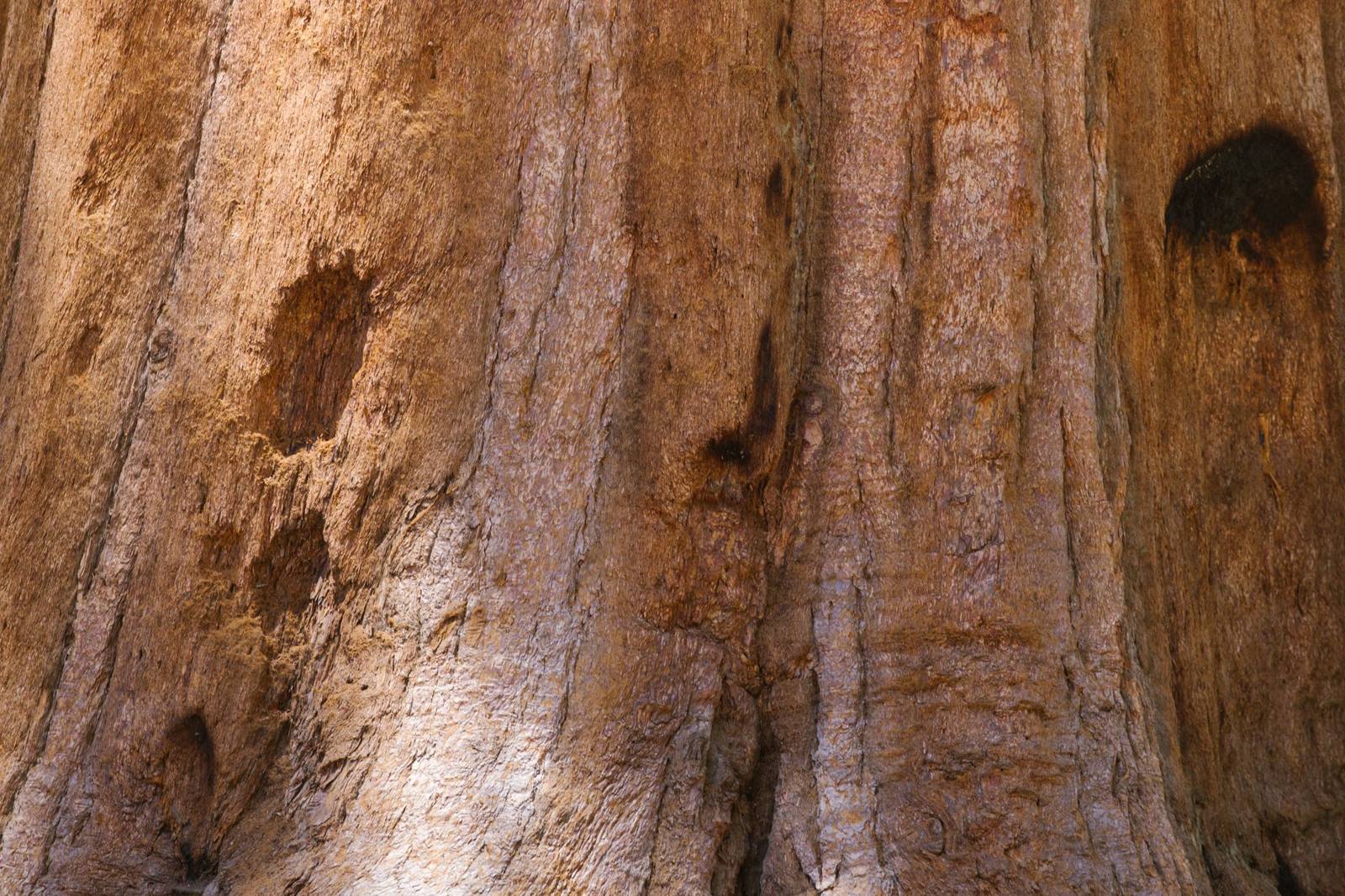
Giant sequoia (Zone 6-8) tolerates cold and dry air better; coast redwood (Zone 7-10) needs coastal fog and consistent moisture.
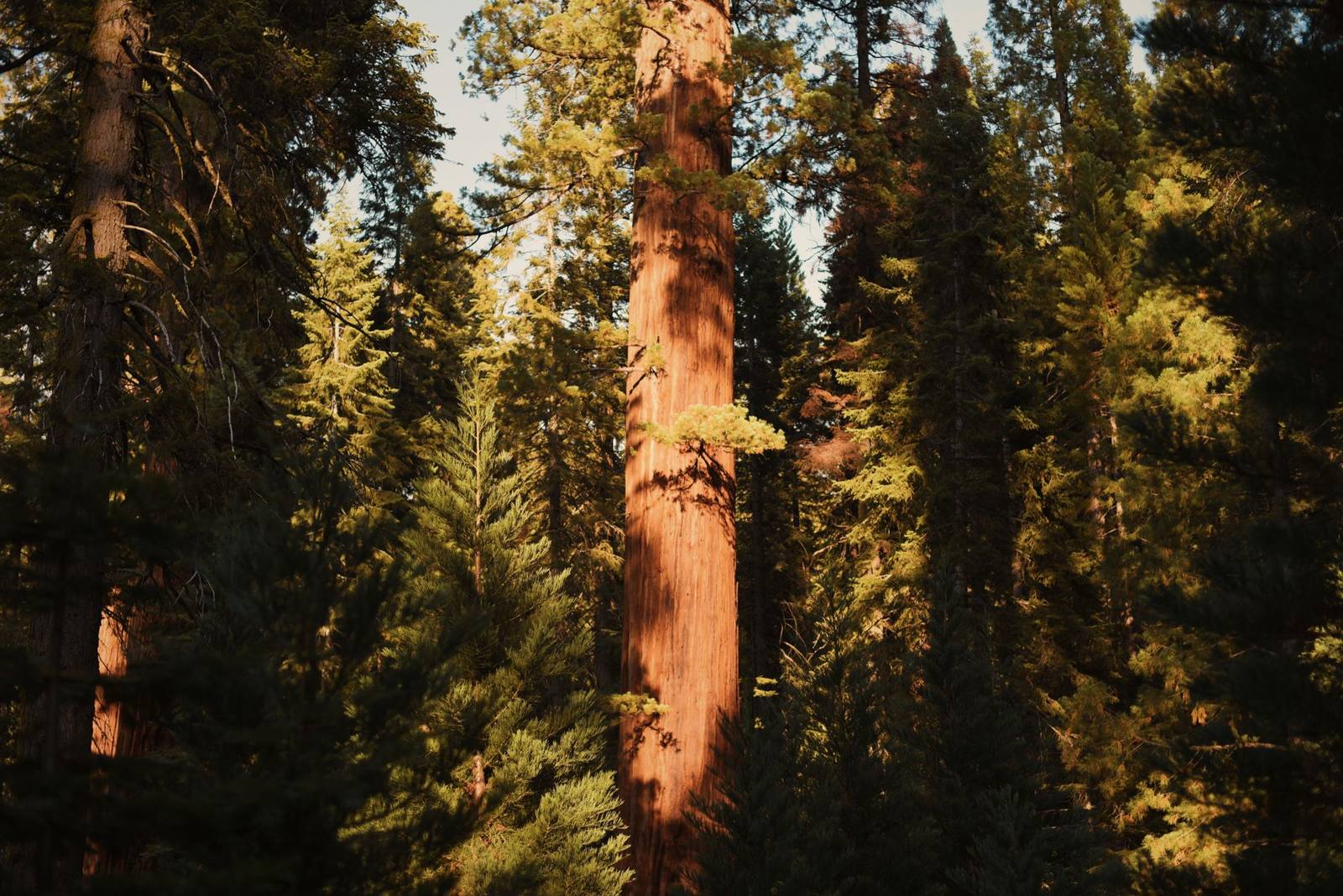
No official per-tree carbon figure exists for giant sequoia. Here is how scientists estimate it, and what has actually been measured.
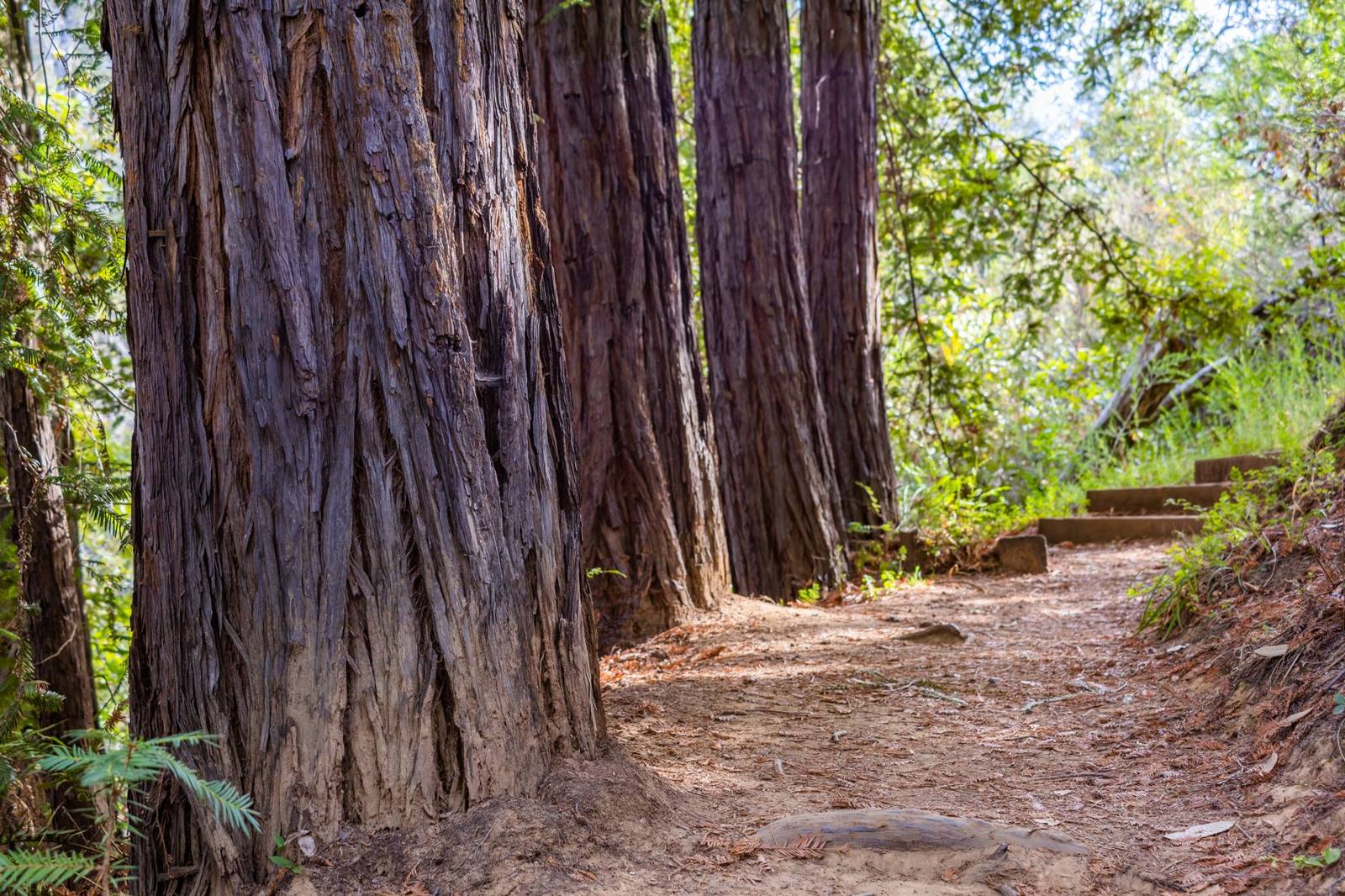
California’s state tree is not one species. Government Code Section 422 names coast redwood and giant sequoia together, a fix added in 1953.
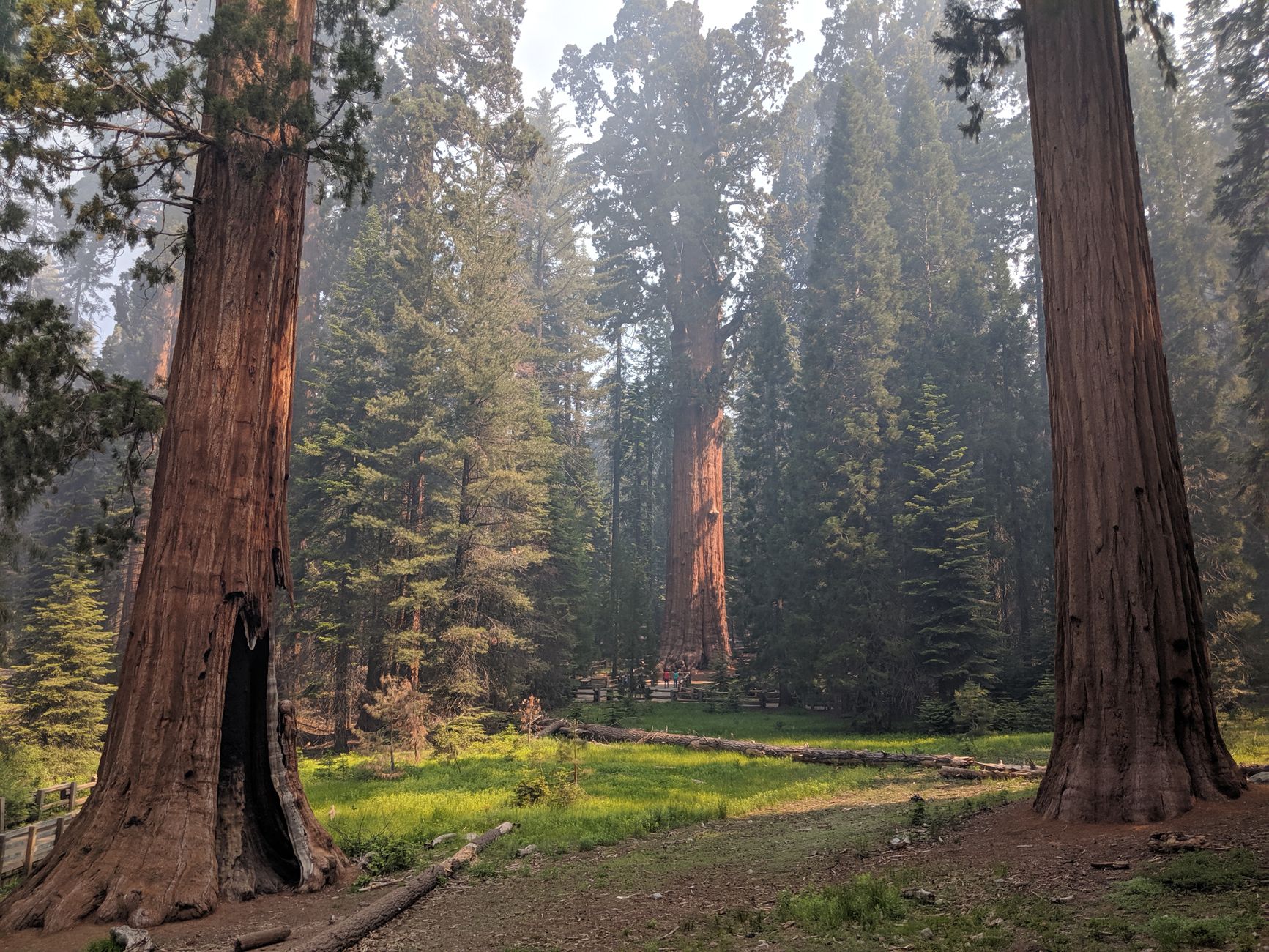
Tuolumne and Merced Groves each hold about two dozen giant sequoias in Yosemite, with steep short trails and none of Mariposa Grove’s shuttle system.
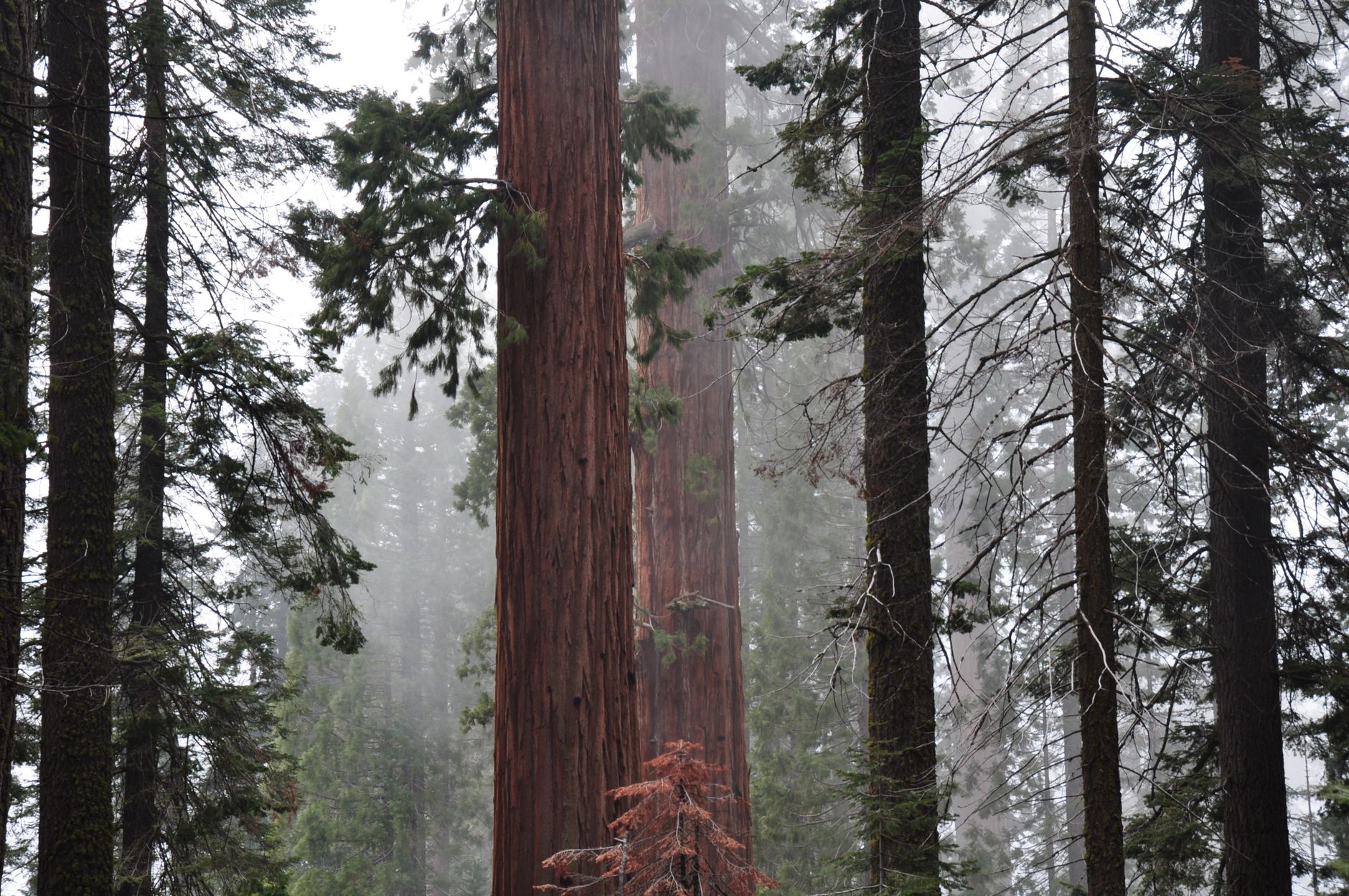
Giant sequoias are the largest trees by volume and grow inland in the Sierra; coast redwoods are the tallest and grow in coastal fog. All the differences.
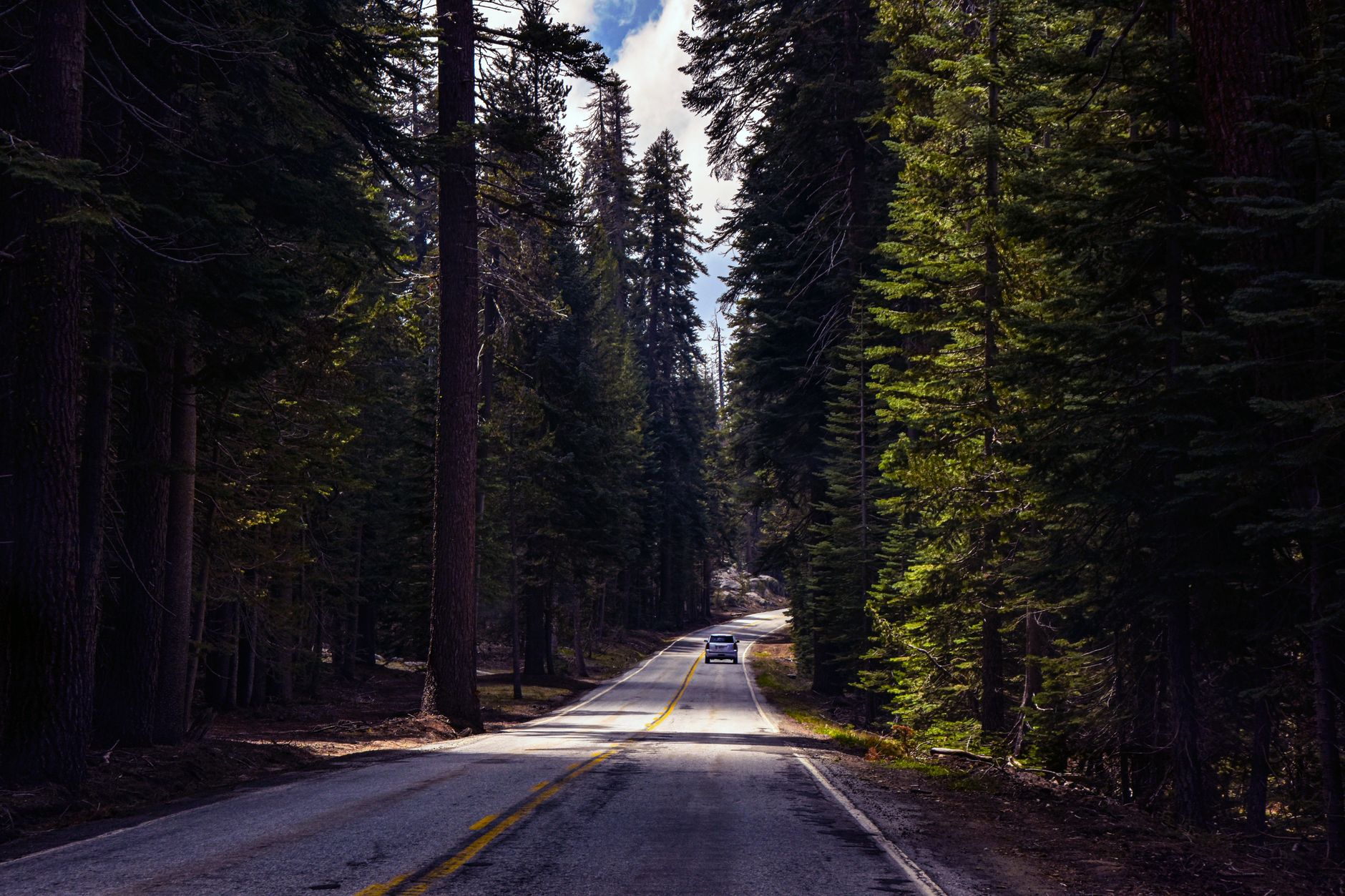
A one-week loop from San Francisco through the coast redwoods and inland to Sequoia National Park, with the drives and sights the research supports.
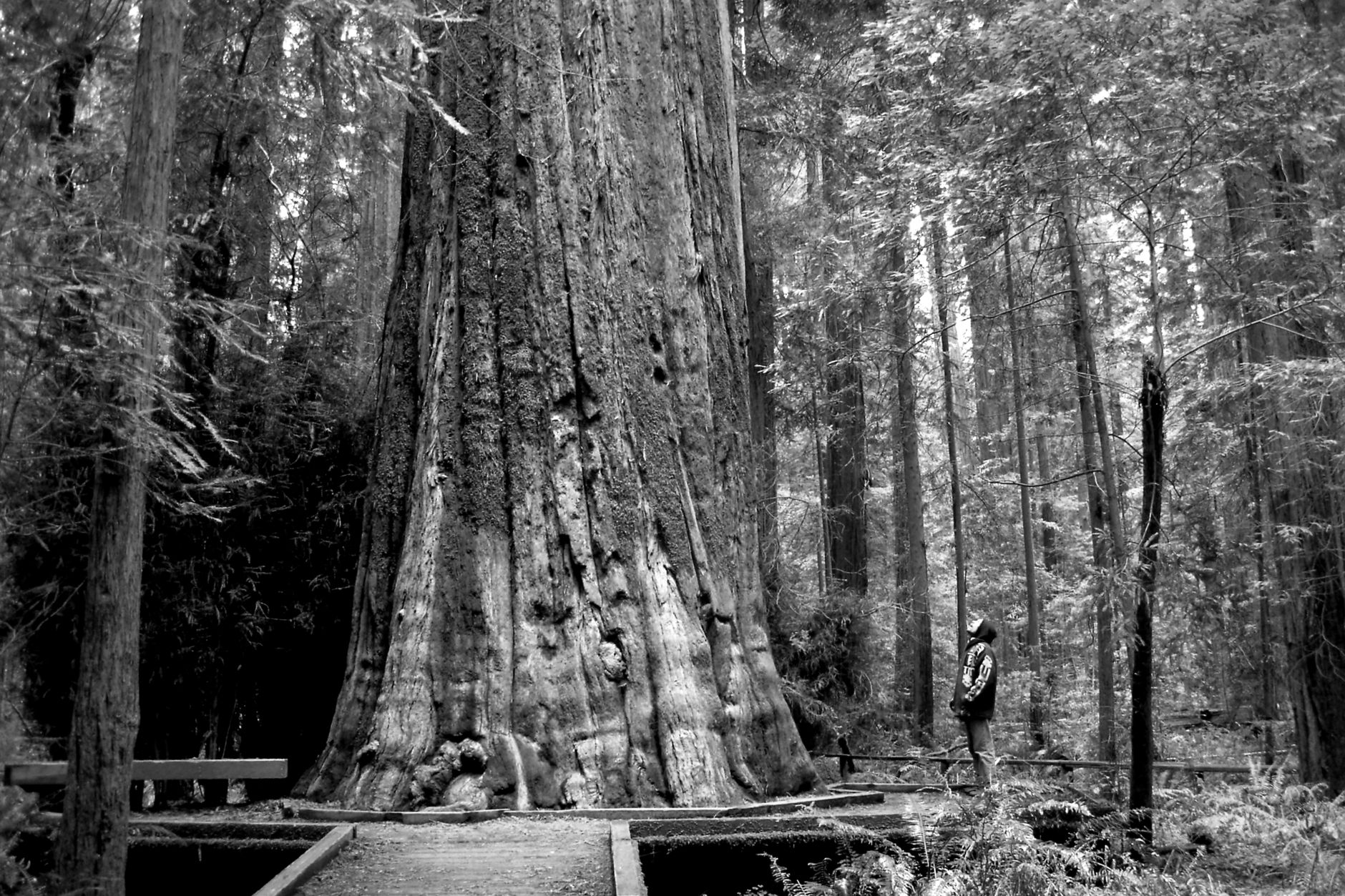
Redwood National Park has the tallest trees and no entrance fee; Sequoia has the biggest tree on Earth for $35. Fees, drives, permits, and seasons compared.
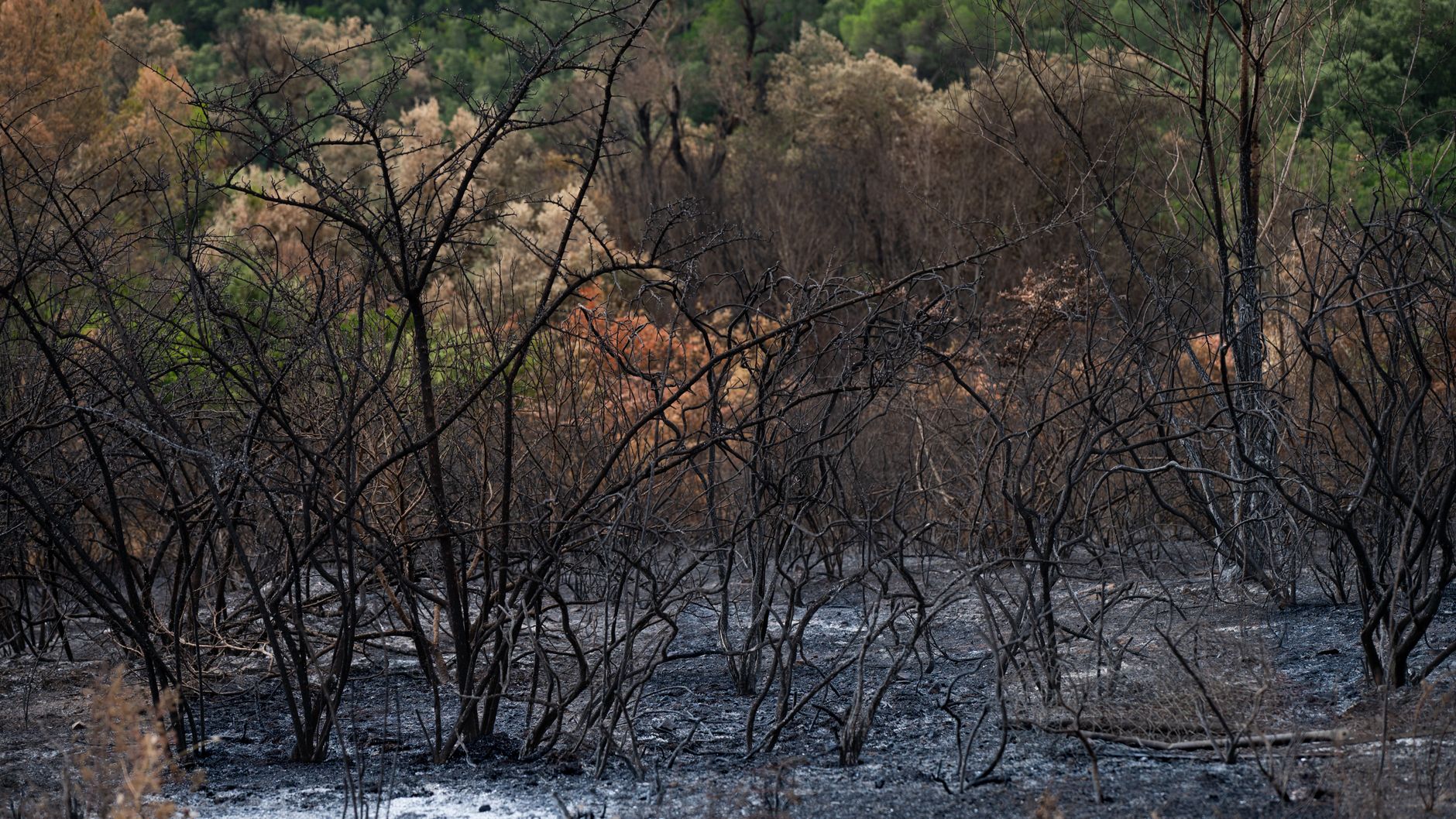
Redwood Mountain Grove, often called the world’s largest sequoia grove, lost 40% of its area to severe fire in 2021 and is now being replanted.
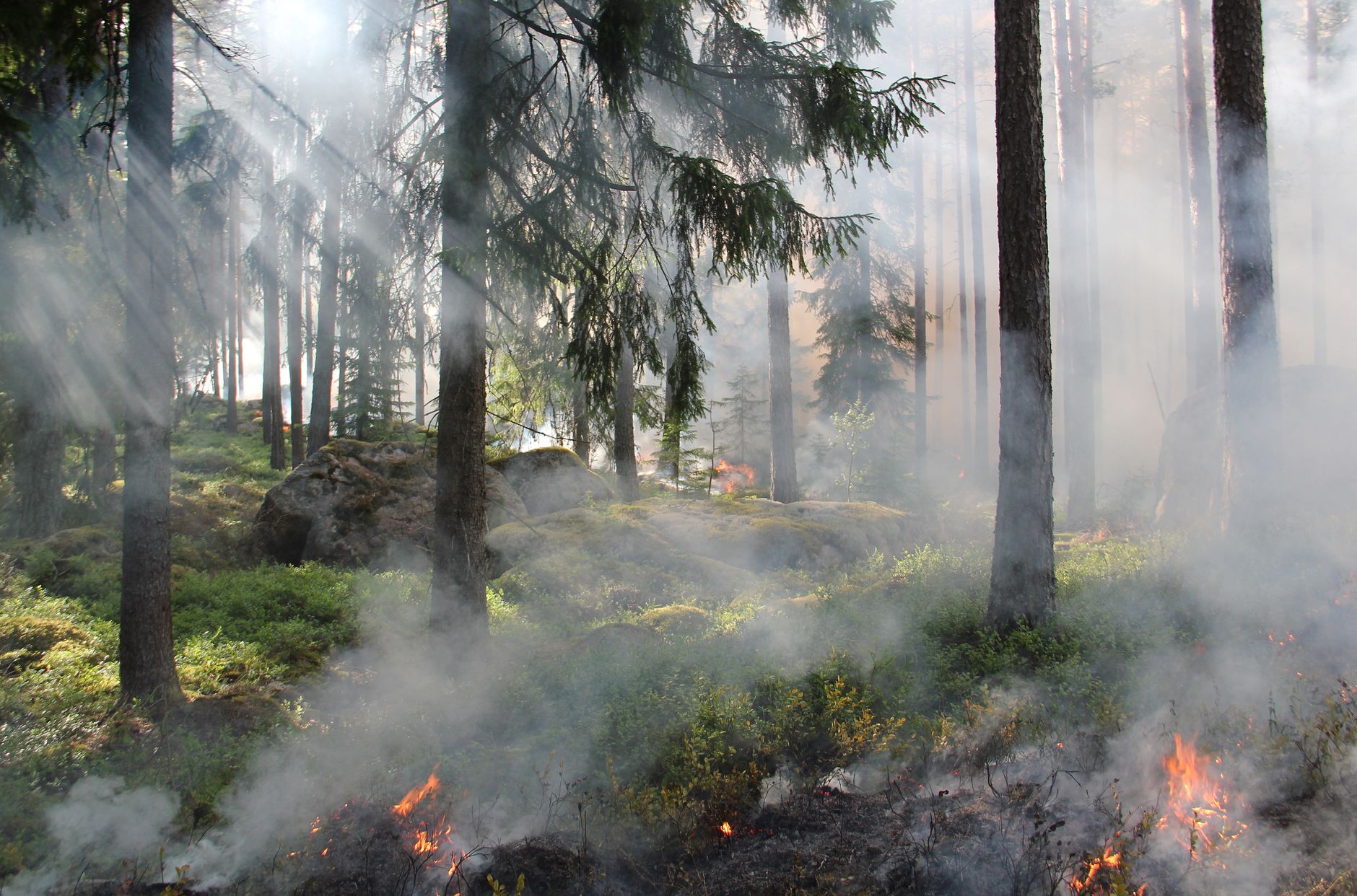
Sequoia and Kings Canyon have set deliberate fires in sequoia groves since 1968. Here is why, how a burn is planned, and what it saved in 2021.