
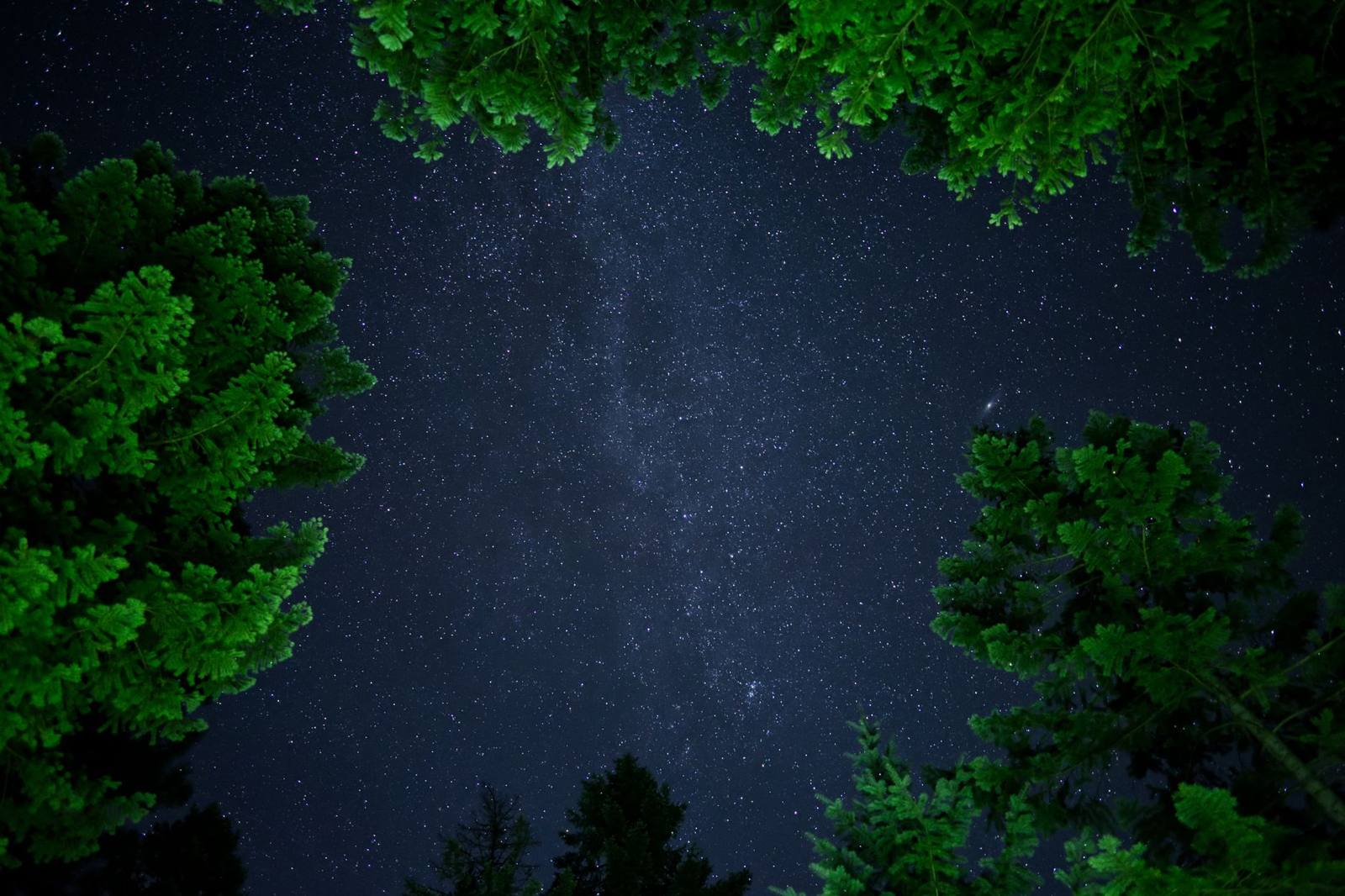
Sequoia and Kings Canyon National Parks have some of the darkest night skies left in California, according to the National Park Service, because they sit far from the light pollution that washes out the sky over most of the state1. As of September 2026, the 13th annual Dark Sky Festival runs September 11-13, 2026, with free programs at Kings Canyon on September 11, at Sequoia on September 12, and a star party at Lake Kaweah on September 13, plus new programming in the gateway town of Three Rivers12. Standard park entrance fees still apply for anyone driving into the parks for the festival1. Volunteers from local astronomical societies bring telescopes to the star parties, and 2026 adds nightly bat walks and a keynote from psychologist Dr. Dacher Keltner on the science of awe1. Outside festival weekend, rangers run evening programs, including moonlight walks and viewing sessions at Beetle Rock, mostly from Memorial Day through Labor Day3.
- Festival dates: September 11-13, 2026, as of September 20261
- Venues: Kings Canyon (Sept 11), Sequoia (Sept 12), Lake Kaweah (Sept 13), plus Three Rivers and the Pena Planetarium in Visalia12
- Cost: free; the park’s regular entrance fee still applies inside Sequoia and Kings Canyon1
- Keynote: Dr. Dacher Keltner speaking on the science of awe1
- Regular ranger programs: moonlight walks and Beetle Rock viewing sessions, mostly Memorial Day through Labor Day3
- Elevation: the main sequoia groves sit at 5,000-7,000 feet, above much of the valley’s summer haze4
- Cell coverage: limited to a handful of visitor centers and Lodgepole Village, which keeps most of the park free of screen glow after dark7
Most visitors plan around trees and trails and never look up after dinner. That is a mistake in a park the National Park Service itself describes as having some of the darkest skies in California1. This page covers the 2026 Dark Sky Festival, the ranger programs that run all summer, the handful of documented spots for casual stargazing, and what to bring. For everything else about planning a trip, start with the complete visitor guide.
None of this requires a permit or a reservation. Sequoia and Kings Canyon do not use timed entry, and the entrance fee covers whatever you do after dark on the same ticket6.
The 2026 Dark Sky Festival (as of September 2026)
The Dark Sky Festival is now in its 13th year, and the National Park Service and Sequoia Parks Conservancy split the 2026 edition across three nights and two side locations12:
| Night | Date | Where |
|---|---|---|
| Friday | September 11, 2026 | Kings Canyon (Grant Grove and Cedar Grove) |
| Saturday | September 12, 2026 | Sequoia (Giant Forest, Lodgepole, Wuksachi) |
| Sunday | September 13, 2026 | Lake Kaweah, with the U.S. Army Corps of Engineers |
| Ongoing | September 11-13, 2026 | New programming in Three Rivers, and events at the Pena Planetarium in Visalia |
The festival is free and open to the public, though the park’s normal entrance fee applies to anyone driving into Sequoia or Kings Canyon for the on-site programs1. Local astronomical society volunteers set up telescopes at the star parties so visitors can look at “distant galaxies, star clusters and other deep-sky objects” without owning any equipment1. The 2026 schedule adds nightly bat walks that demonstrate acoustic monitoring, astrophotography sessions, Junior Ranger activities, and a keynote from psychologist Dr. Dacher Keltner on the evolutionary roots of awe and what it does to the brain1. The full day-by-day schedule is posted by the Sequoia Parks Conservancy closer to the date2.
If you want to attend a specific event rather than just find a dark patch of parking lot, check the Conservancy’s page in the weeks before the festival, since exact program times and locations can shift2.
Why the skies here are dark
The National Park Service attributes the quality of the night sky to distance from developed areas, and the geography backs that up. Cell coverage inside the parks works only around the Kings Canyon Visitor Center, the Foothills Visitor Center, and Lodgepole Village, and not every carrier works even there7. That absence of infrastructure means an absence of the artificial light that comes with it. The main sequoia groves at Giant Forest, Lodgepole, and Grant Grove also sit at 5,000 to 7,000 feet, above the valley floor where summer ozone and particulate pollution regularly exceed federal health standards; the air above 8,500 feet is usually cleaner still4. Higher, cleaner air means less scattering and a sharper view of faint objects.
Weather works against you for part of the year. The same groves get 40 to 45 inches of precipitation annually, most of it as snow falling between December and May, with a deep snowpack that limits access to the high country for months at a time4. Clear nights are most reliable from late spring through fall, which is also when the festival happens.
Where to look, outside festival weekend
The park does not publish a ranked list of stargazing viewpoints, so the honest answer is that the sites the park itself uses for its own night programming are the best-documented options.
- Beetle Rock. Ranger programs include “moonlight walks and Beetle Rock viewing,” which makes this dome, a five-minute walk across the highway from the Giant Forest Museum, the one location the park explicitly uses for evening sky-watching outside the festival35. The trail to the top is flat, which matters after dark5.
- Giant Forest, Lodgepole, and Wuksachi. These are Sequoia’s own festival venues, chosen for open sky access away from the foothill haze12.
- Grant Grove and Cedar Grove. The Kings Canyon side’s festival venues, both far from any town of size12.
- Lake Kaweah and Lemon Hill. Outside the parks proper, this reservoir between Visalia and Three Rivers hosts the Sunday-night star party and is easier to reach if you are staying in the valley12.
Ranger-led evening programs beyond the festival, including amphitheater talks and moonlight walks, run mostly from Memorial Day through Labor Day, with schedules posted online and at visitor-center boards3. None require advance sign-up.
When to plan around a dark sky
Aim for late spring through fall, when roads to the high country are open and clear nights are more common than in the deep-snow months of December through May4. A new moon gives the sharpest view of faint stars and the Milky Way, though the festival itself is scheduled around a fixed mid-September date rather than the lunar calendar, so check a moon-phase calendar separately if that matters to you.
What to bring
A red-light headlamp keeps your night vision intact between viewing a star chart and looking back up, and a basic star chart or a phone app for identifying constellations is worth packing since none is provided outside the festival’s staffed telescopes. The site earns a commission on purchases made through its product links, which does not affect what is recommended.
Bring warm layers even in midsummer. Groves at 5,000 to 7,000 feet see summer highs of only 68-76°F with cool evenings, and temperatures drop further once the sun is down4. A blanket or camp chair makes a long telescope line more comfortable, and a full tank of gas matters too, since there is no fuel inside the parks4.
Where to stay for an easy night out
Wuksachi Lodge sits inside the park and is itself a festival venue in 2026, which makes it the simplest base if you want to walk back to a room after the last star party1. Campers at Lodgepole or Dorst Creek are close enough to Giant Forest and Beetle Rock to walk over after dinner without a night drive on the Generals Highway.
Frequently Asked Questions
When is the 2026 Dark Sky Festival in Sequoia and Kings Canyon?
Is the Dark Sky Festival free?
Yes. The festival itself has no charge, but the park’s normal entrance fee applies to anyone driving into Sequoia or Kings Canyon for on-site programs1.
Where is the best place to stargaze in Sequoia National Park?
The National Park Service’s own ranger programs point to Beetle Rock, a flat, five-minute walk from the Giant Forest Museum, for moonlight viewing sessions35. Grant Grove, Cedar Grove, Giant Forest, Lodgepole, and Wuksachi are the park’s chosen festival venues, which is a reasonable proxy for open, dark sky12.
Can you see the Milky Way in Sequoia National Park?
The National Park Service describes the parks as having some of the darkest skies in California, dark enough that festival telescopes are aimed at distant galaxies and star clusters, not just planets1. Conditions depend on the moon phase and cloud cover on a given night.
Do I need a park pass to attend the Dark Sky Festival?
Yes, if you are entering Sequoia or Kings Canyon for an on-site program. The festival is free, but it does not waive the park’s regular entrance fee1. See entrance fees explained for current rates.
What is the best time of year for stargazing in Sequoia?
Late spring through fall, when the high country is free of the deep snowpack that builds up December through May and clear nights are more common4.
Are there ranger-led night programs outside the festival?
Yes. Evening amphitheater talks and moonlight walks, including Beetle Rock viewing, run mostly from Memorial Day through Labor Day, with no reservation required3.
Will my phone work if I get separated from my group at night?
Only near a handful of spots. Cell coverage inside the parks is limited to the Kings Canyon Visitor Center, the Foothills Visitor Center, and Lodgepole Village, and not every carrier works even there7. Plan to stay together and carry a flashlight.
Related Articles
Sources
- Dark Sky Festival Brings Science, Stargazing, and Awe to the Sequoia and Kings Canyon National Parks — National Park Service. Accessed 2026-09-15.
- Dark Sky Festival — Sequoia Parks Conservancy. Accessed 2026-09-15.
- Ranger Programs — National Park Service. Accessed 2026-09-15.
- Weather — National Park Service. Accessed 2026-09-15.
- Moro Rock and the Granite Domes — National Park Service. Accessed 2026-09-15.
- Entrance Fees — National Park Service. Accessed 2026-09-15.
- Frequently Asked Questions — National Park Service. Accessed 2026-09-15.