
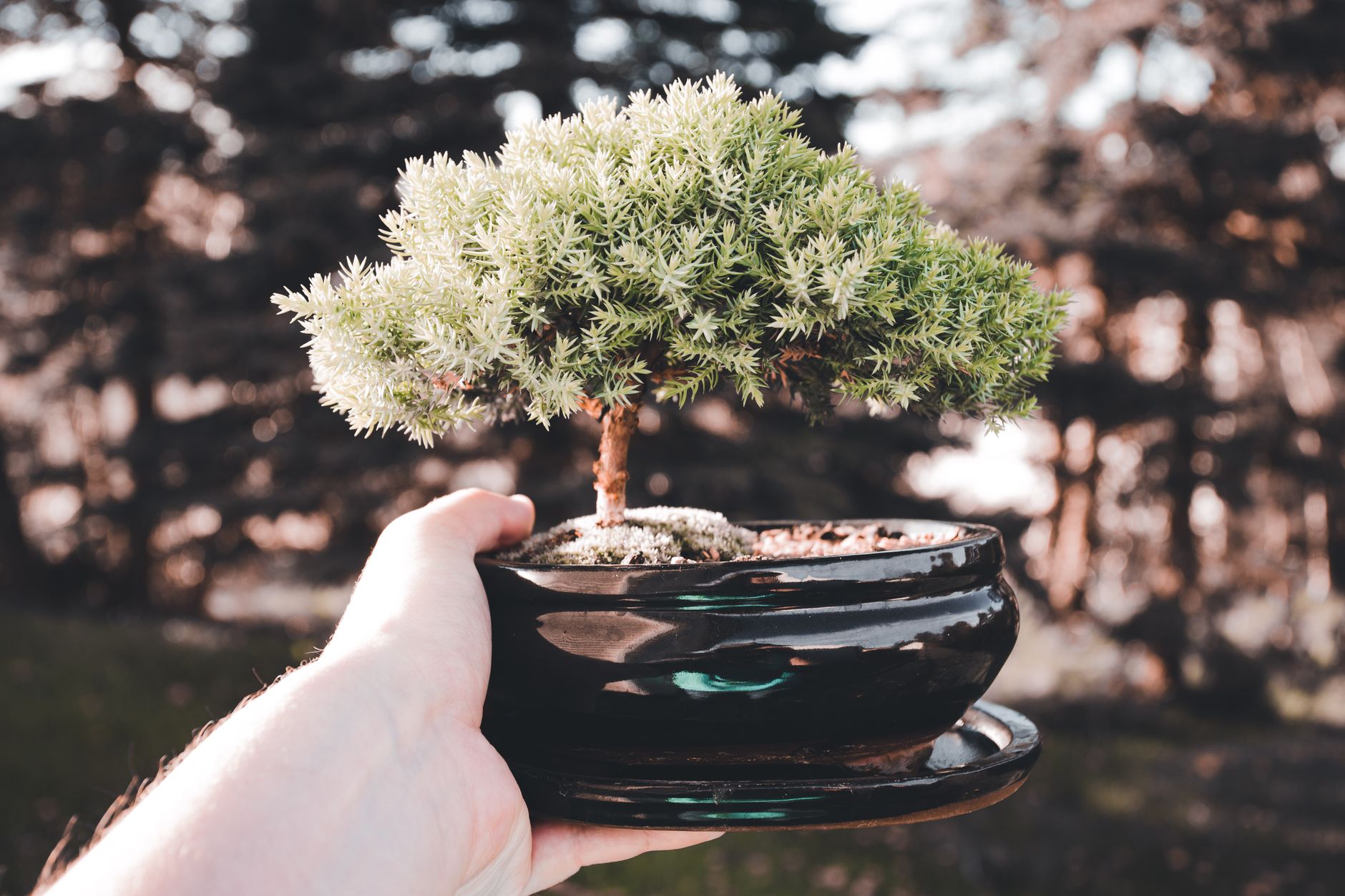
A giant sequoia can live in an ordinary nursery pot for roughly its first one to two years before it needs to go into the ground, according to commercial growers who sell it that way1. Nurseries ship it in containers from a 1-3 gallon pot up to a 2-gallon “XL” size depending on age, but none of the fetched sources give a maximum number of years the species can be kept in a large container long-term12. The practical answer from the research: a normal nursery pot buys a tree a year or two, and after that only bonsai-style management, with conservative, dormant-season root pruning, keeps it alive indefinitely in a container3. The species wants constantly moist soil in a pot, unlike most other trees grown this way, and drought is the leading cause of death for young giant sequoias generally, container-grown or not45. Winter is the other danger point: a potted tree’s real winter risk is dehydration from wind and frozen ground, not cold itself6.
- Commercial growers keep giant sequoia in a 1-3 gallon container for its first one to two years, then plant it out1
- Jonsteen‘s largest nursery-shipped seedling comes in roughly a 2-gallon container2
- No source gives a maximum lifespan for the species in a large, non-bonsai container; treat “a year or two, then the ground” as the practical rule13
- Root pruning to extend container life should remove no more than about 20% of the root ball and happen only in winter dormancy3
- The species needs constantly moist, never-dry soil in a pot, which is unusual among container-grown conifers4
- Winter risk to a potted tree is dehydration, not cold, so water thoroughly before the ground freezes6
- About 95% of a mature giant sequoia’s roots stay within 3 feet of the surface, which is part of why the tree tolerates container life reasonably well while young7
Disclosure: some links on this page are affiliate links, marked by the products, tours and hotels they name. As an Amazon Associate, sequoia.info earns from qualifying purchases. A purchase through these links may earn the site a commission at no cost to you, and it never affects what is recommended. How this works.
Keeping a giant sequoia in a pot is a common way to hold a tree while deciding where, or whether, to plant it out. This page covers how long that actually works, what pot size and soil suit it, watering and winter care, and when the research says to move it to the ground. For germinating your own seedling first, see Giant Sequoia Seeds; for the full planting process once you commit to the ground, see How to Plant a Giant Sequoia Seedling, Step by Step.
How long a pot actually works
Commercial nurseries that ship giant sequoia as a live seedling treat container life as a short-term arrangement. National Sequoias, a Michigan grower, states that an initial 1-3 gallon container suits the tree for its first one to two years, after which it should go into the ground, and recommends overwintering potted trees in an unheated garage during that period1. Jonsteen Company sizes its seedlings by container and root-mass volume rather than strict age, with its largest standard seedling, the XL, shipping in roughly a 2-gallon pot for a tree described as two to three years old2.
None of the fetched research gives a hard ceiling on how many years a giant sequoia can survive in a large container if it is never planted out. The honest answer, pieced together from what growers do say: a standard nursery pot is a holding pattern good for about a year or two, and keeping the tree in a container longer than that requires the same disciplined, conservative root pruning used in bonsai cultivation, done only in winter dormancy and removing no more than about 20% of the root ball at a time, with soil kept intact on at least 75% of the root ball to protect fine feeder roots3. Skip that maintenance and a rootbound tree in an undersized pot is a slow-motion version of the same drought stress that kills container trees outdoors.
Soil and container basics
Giant sequoia does best in loose, rich, well-drained, pH-balanced soil that stays moist without becoming swampy, and it does not tolerate standing water or a high water table8. That combination, well-drained but reliably moist, is harder to hold in a container than in open ground, since pots dry out faster at the edges and can also stay soggy at the bottom if drainage is poor. A container with generous drainage holes, paired with a mix that holds moisture without staying saturated, comes closest to the tree’s native preference. Full sun for part of the day is appropriate, though the growing tip is that soil in a pot heats up faster than ground soil, and the root zone should stay below roughly 90°F even when air temperatures climb toward 100°F, which usually means moving a potted tree into partial shade during the hottest summer afternoons9.
Watering a potted giant sequoia
This is the part growers most often underestimate. Unlike most trees kept in containers, giant sequoia wants constantly moist, not muddy, soil and should not be allowed to dry out completely at any point4. Drought is described as the major cause of death in young landscape giant sequoias in general, and a pot offers less soil buffer against a missed watering day than the ground does5. At the same time, overwatering into standing water causes root rot, so “constantly moist” means checking the pot often enough to water before it dries out, not leaving it sitting in a saucer of standing water1.
For anyone whose potted seedling is already showing browning needles, Why Your Giant Sequoia Seedling Is Turning Brown works through overwatering, drought, and heat stress as separate diagnoses.
Winter care in a container
A potted tree faces a different winter risk than one in the ground. The danger is dehydration, not cold: winter wind dries out exposed foliage and frozen soil can’t replace lost moisture, so a tree that goes into winter under-watered is more vulnerable than one that goes in well hydrated6. Water thoroughly before the ground freezes. Where practical, keep pots in a well-drained cold frame or let them be buried under snow rather than moving them into a heated house, since a heated indoor environment disrupts the tree’s normal dormancy cycle even if it keeps the plant alive for a while610. In colder zones, growers recommend storing potted trees in an unheated garage for their first two to three winters as an added buffer1. Young trees under about a year old, occasionally up to five, may turn burgundy, rust, or bronze in a container or in the ground after a cold snap that follows unseasonable warmth; that discoloration is cosmetic and reversible, not a sign the tree is dying, and it shows up mainly in wind-exposed trees rather than ones buried in snow11.
When to move it to the ground
The clearest signal from the research is timing rather than size: plan to plant out around the one-to-two-year mark that commercial growers use as their own cutoff for container life1. Waiting substantially longer without bonsai-level root management risks the same girdling-root problem documented in a case where an older, container-raised giant sequoia’s roots had circled inside its pot before planting, contributing to the tree’s decline once conditions turned dry12. Before planting out, see How to Plant a Giant Sequoia Seedling, Step by Step for site selection, spacing from structures, and the first years of watering in the ground, since a giant sequoia’s mature root system extends 100-150 feet, mostly within about 4-5 feet of the surface, which shapes how much room the tree eventually needs713.
If you want to keep it in a pot long-term
Some growers choose to keep a giant sequoia containerized indefinitely rather than plant it out, effectively managing it as an oversized bonsai. That means the winter dormant-season root pruning routine described above, generous but not excessive feeding rather than starving the tree to control size, and accepting more frequent repotting than most container conifers need, since redwood-family roots fill a pot quickly314. For anyone seriously considering this path rather than a short-term holding pot, Giant Sequoia Bonsai: Can It Be Done? A Care Guide covers the full technique. Root-pruning tools, wide shallow containers, and a well-draining bonsai-style soil mix are available through Amazon; the site earns a commission on qualifying purchases made through Amazon links, which does not affect what is recommended here.
Frequently Asked Questions
How long can a giant sequoia stay in a pot?
Commercial growers treat a standard container as good for about one to two years before the tree needs to go into the ground. Beyond that, only conservative, dormant-season root pruning, the kind used in bonsai care, keeps a container tree alive long-term; no source gives a firm maximum lifespan in a pot13.
What size pot does a giant sequoia seedling need?
Does a potted giant sequoia need different watering than one in the ground?
Can I keep a giant sequoia in a pot through winter?
When should I plant my potted giant sequoia in the ground?
Can a giant sequoia live in a pot forever?
Only with bonsai-style management: conservative root pruning in winter dormancy, generous feeding, and more frequent repotting than most container trees need. Without that maintenance, a long-term container tree is likely to become rootbound and drought-stressed3.
Related Articles
Sources
- FAQs — National Sequoias. Accessed 2026-09-06.
- Giant Sequoia XL Tree Seedling — Jonsteen Company. Accessed 2026-09-06.
- Giant Sequoia Bonsai Questions — Welker’s Grove Nursery. Accessed 2026-09-06.
- Giant Sequoia Bonsai Care — Welker’s Grove Nursery. Accessed 2026-09-06.
- Giant Sequoia Landscape Questions — Welker’s Grove Nursery. Accessed 2026-09-06.
- Giant Sequoia Bonsai Care — Welker’s Grove Nursery. Accessed 2026-09-06.
- Giant Sequoia — California State Parks. Accessed 2026-09-06.
- Giant Sequoia Landscape Questions — Welker’s Grove Nursery. Accessed 2026-09-06.
- Giant Sequoia Bonsai Care — Welker’s Grove Nursery. Accessed 2026-09-06.
- Giant Sequoia Bonsai Questions — Welker’s Grove Nursery. Accessed 2026-09-06.
- Giant Sequoia Landscape Questions — Welker’s Grove Nursery. Accessed 2026-09-06.
- FAQ: Giant sequoia browning — Ask Extension (West Virginia case). Accessed 2026-09-06.
- Giant Sequoia Root Systems — Ask Extension. Accessed 2026-09-06.
- Redwood — Bonsai Empire. Accessed 2026-09-06.