
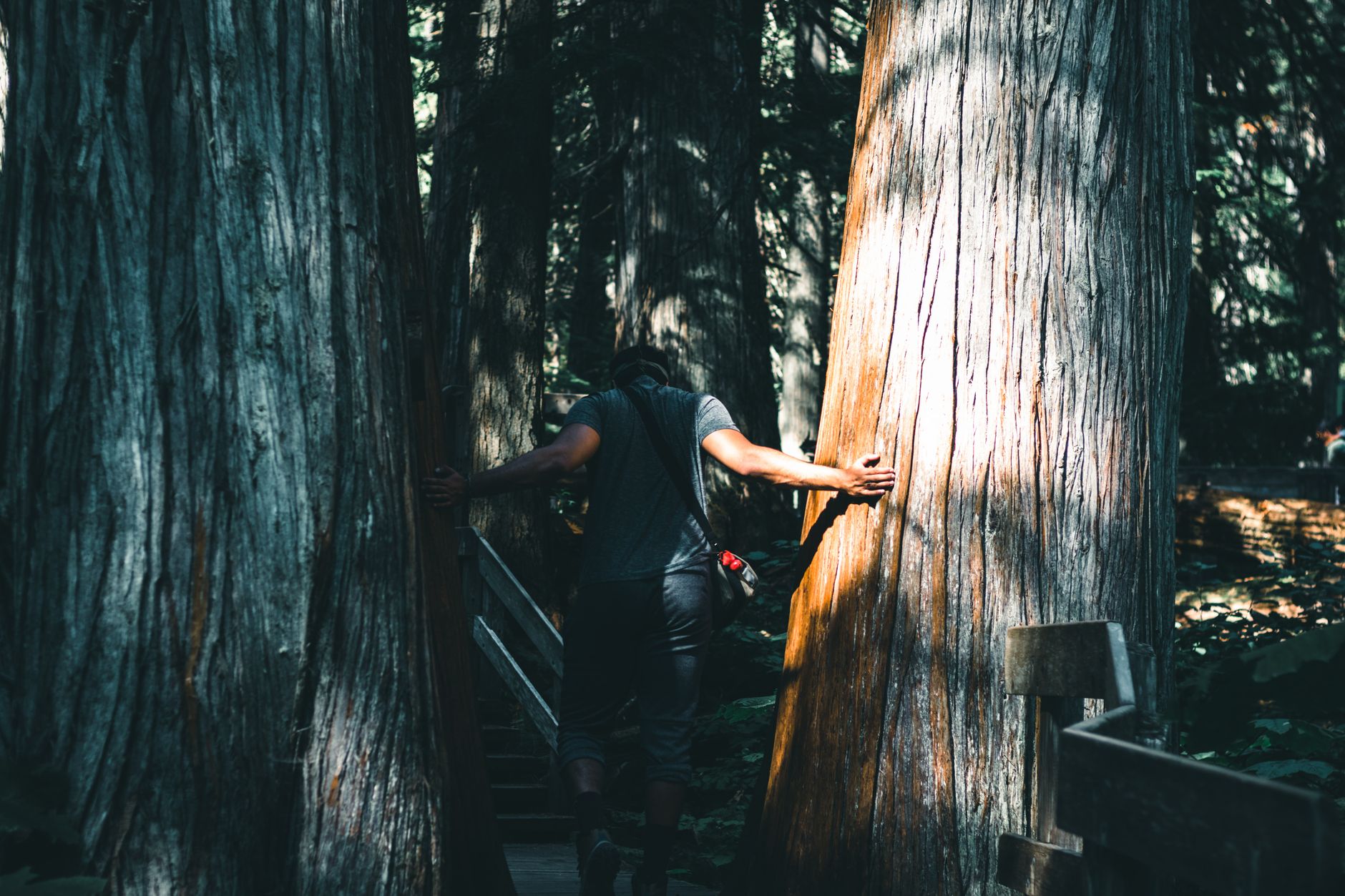
Sequoia National Park is a national park in California that protects giant sequoia trees, deep canyons, and the tallest mountain in the lower 48 states12. It was created in 1890, making it the second national park in the country2. The park and its neighbor, Kings Canyon National Park, together cover 865,964 acres and get more than 1.5 million visitors a year1. This page lists park facts for kids: numbers about the land, the history, and the animals. For facts about the trees themselves, see giant sequoia facts for kids.
- Sequoia National Park was created on September 25, 18902
- The park sits next to Kings Canyon National Park, and both are run as one unit1
- Together the two parks cover 865,964 acres1
- Mount Whitney, inside the parks, is 14,494 feet tall, the highest point in the lower 48 states1
- More than 270 caves have been found in the parks1
- The parks are the homeland of the Mono, Yokuts, Tübatulabal, Paiute, and Western Shoshone peoples3
Sequoia National Park is in the Sierra Nevada mountains of central California, east of the city of Visalia. It protects some of the biggest trees on Earth, along with steep mountains, deep river canyons, and hundreds of caves. Here are facts about the park itself, in short sentences, each one checked against an official source. For facts about the biology of the giant sequoia tree, see giant sequoia facts for kids instead, since this page focuses on the park, not the tree.
Where the park is, and what a visit costs
Sequoia National Park sits right next to Kings Canyon National Park, and the two share one long, winding road called the Generals Highway1. A family car pays $35 to enter, and that pass is good for one to seven days11. Every year, the National Park Service also picks about eight days when nobody has to pay to get in, including days like Veterans Day and the park’s own birthday11. Because the two parks are managed together, one entrance fee covers both11.
30 facts about Sequoia National Park
- Sequoia National Park was signed into law on September 25, 1890, by President Benjamin Harrison2.
- It was the second national park ever created in the United States2.
- It was the first national park created just to protect a living thing: the giant sequoia tree2.
- Sequoia National Park and Kings Canyon National Park are run together as one unit by the National Park Service1.
- Together, the two parks cover 865,964 acres of land1.
- That is about 1,353 square miles1.
- About 97 percent of that land is protected as wilderness1.
- More than 1.5 million people visit the two parks together each year1.
- Land in the parks ranges from about 1,370 feet high in the foothills to 14,494 feet at the top of Mount Whitney1.
- Mount Whitney is the highest point in the lower 48 states1.
- The parks have more than 270 known caves1.
- One of those caves, Lilburn Cave, is California’s longest, with almost 17 miles of mapped passages1.
- The parks hold about 40 groves of giant sequoia trees1.
- The parks are open all day, every day of the year, though snow closes some roads in winter4.
- You do not need to book a reservation just to enter the park4.
- The Mono (Monache), Yokuts, Tübatulabal, Paiute, and Western Shoshone peoples are native to this land3.
- Fifteen federally recognized tribes and eleven state-recognized tribes have ancestral ties to the parks3.
- Hale Tharp, a cattleman, reached Giant Forest in 1858 and lived there in a hollow log5.
- From 1891 to 1913, the United States Army ran the parks, since the National Park Service did not exist yet3.
- In 1903, Captain Charles Young led a troop of Black cavalry soldiers, called Buffalo Soldiers, as acting superintendent of the parks6.
- Captain Young was the first Black superintendent of any national park6.
- General Grant National Park, created a week after Sequoia in 1890, became part of Kings Canyon National Park in 19403.
- In the 1930s, workers from the Civilian Conservation Corps built many of the park’s trails and campgrounds3.
- Black bears live in the parks, but grizzly bears do not1.
- A fire called the KNP Complex Fire burned toward the park’s most famous trees in September 2021, but the trees were mostly protected by past controlled burns7.
- Every September, the parks hold a Dark Sky Festival with telescopes and night-sky programs8.
- Kids can become Junior Rangers by finishing activities in a free booklet from any visitor center9.
- The park has visitor centers at Foothills, Giant Forest, Lodgepole, Grant Grove, and Cedar Grove1.
- The nearest large cities to the park are Fresno and Visalia, California1.
- Rangers have led nature walks and talks in the park since 1922, when Walter Fry started the first Nature Guide Service10.
Why the park is special
Put together, these facts point at what makes Sequoia National Park unusual among America’s national parks. It is one of the oldest, created only 18 years after Yellowstone, and the only one created specifically to protect a species of tree rather than a landscape or a landmark2. It also spans an enormous range of elevation in a small area, from foothill chaparral at about 1,370 feet to alpine rock above 14,000 feet at the summit of Mount Whitney, all inside one park boundary1. Few places in the country let a family drive from oak woodland to a glacier-carved alpine peak, past groves of the largest trees on Earth, in a single day. That mix of very old trees, very tall mountains, and hundreds of hidden caves is why scientists, rangers, and kids on a school trip all find something different to study in the same park1.
Frequently Asked Questions
How old is Sequoia National Park?
It was created in 1890, which means it has been a national park for over 130 years2.
Why is it called Sequoia National Park?
It is named for the giant sequoia trees that grow there, including some of the largest trees on Earth1.
Is Sequoia National Park the same as Kings Canyon National Park?
They are two separate national parks, but the National Park Service manages them together as one unit, so many park facts apply to both1.
Can kids climb Mount Whitney?
Mount Whitney is a real mountain climb, not a short walk, and reaching the 14,494-foot summit takes serious planning, a permit, and usually more than one day1. Most families visit shorter, easier trails instead, and still get to stand under giant sequoia trees without any mountain climbing at all.
Are there bears in Sequoia National Park?
Yes, black bears live in the park, and food has to be stored in bear-proof boxes or canisters so bears do not learn to look for it. There are no grizzly bears in the park1.
How much does it cost to visit Sequoia National Park?
What is a Junior Ranger?
A Junior Ranger is a kid who completes activities in a free park booklet and earns an official badge for it. The full steps are on the Junior Ranger guide.
Related Articles
Sources
- Geodiversity Atlas — Sequoia and Kings Canyon National Parks, California — National Park Service. Accessed 2026-09-09.
- History & Culture — National Park Service, Sequoia & Kings Canyon. Accessed 2026-09-09.
- Native Americans — National Park Service. Accessed 2026-09-09.
- Basic Information — National Park Service, Sequoia & Kings Canyon. Accessed 2026-09-09.
- Tharp’s Log Wayside — National Park Service. Accessed 2026-09-09.
- Charles Young — National Park Service. Accessed 2026-09-09.
- KNP Complex Fire — National Park Service. Accessed 2026-09-09.
- Dark Sky Festival Brings Science, Stargazing, and Awe to the Sequoia and Kings Canyon National Parks — National Park Service. Accessed 2026-09-09.
- Junior Ranger — National Park Service, Sequoia & Kings Canyon. Accessed 2026-09-09.
- Walter Fry — National Park Service. Accessed 2026-09-09.
- Entrance Fees — National Park Service, Sequoia & Kings Canyon. Accessed 2026-09-09.