
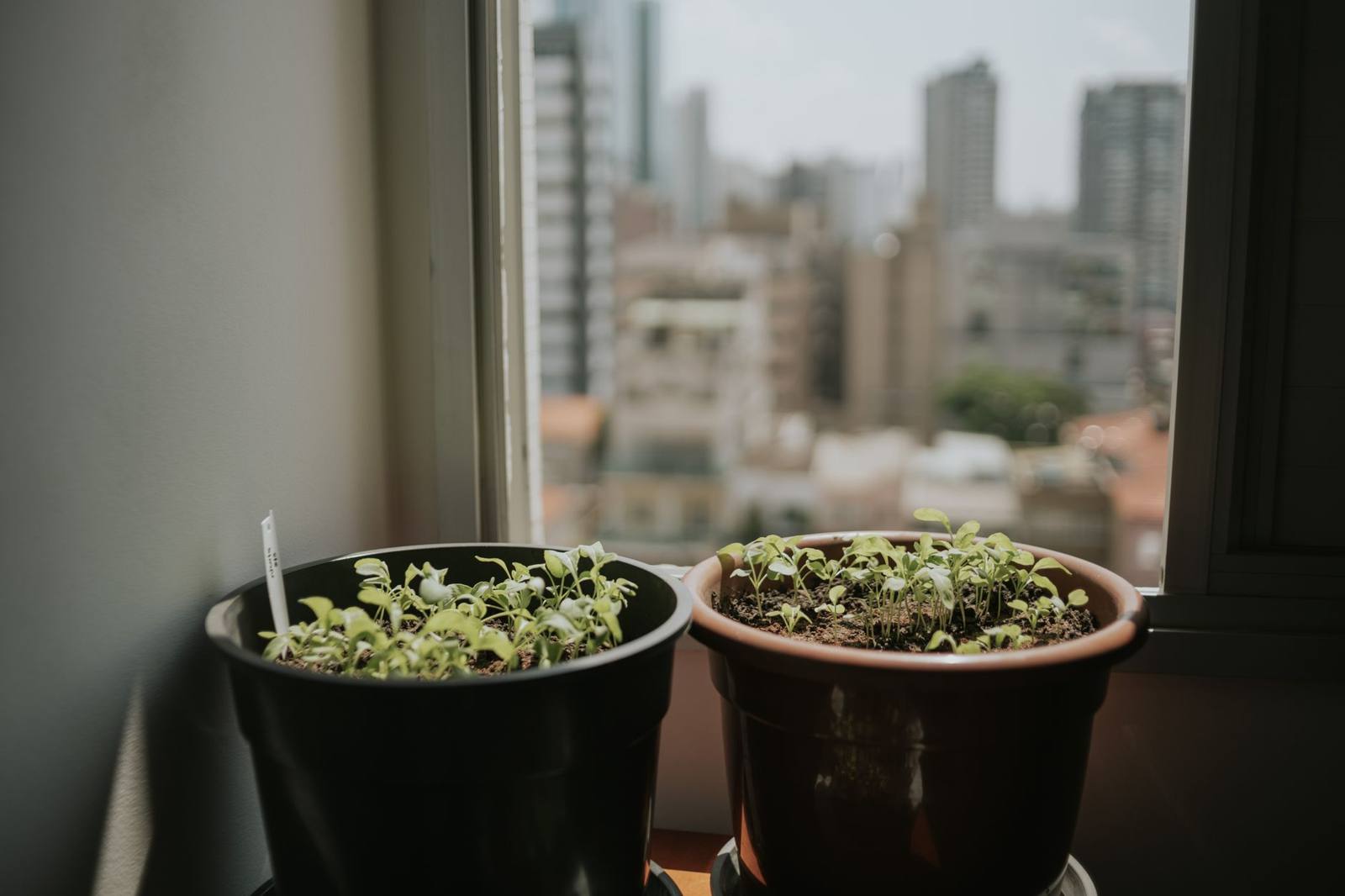
Giant sequoia seeds can be grown as a real classroom science project, but the numbers matter: expect roughly 30 to 55 percent of seeds to germinate depending on how carefully they are stratified, not close to 100 percent13. The standard protocol is a 24-hour soak in water followed by 2 to 6 weeks of cold, moist storage in a refrigerator, which breaks the seed’s dormancy1. After that, sown seeds typically sprout within 2 to 5 weeks at room temperature, though some stragglers can take up to four months12. The site earns a commission on purchases made through product links, which does not affect what is recommended; a plain-text mention of seed kits appears below. This guide covers the stratification steps, realistic timelines and germination rates, and what a class can reasonably do with seedlings once the school year ends.
- Cleaned giant sequoia seed runs about 78,500 seeds per pound, and each cone holds around 200 to 230 seeds16
- Reported germination rates for stratified seed range from about 30 to 55 percent, not higher13
- The best documented protocol in the seed-industry literature combines a 24-hour soak with 6 weeks of cold stratification at near-freezing temperatures1
- Germination after stratification typically begins within 2 to 5 weeks at room temperature12
- Seeds germinate best sown just below the surface, about 1/8 inch deep, in moist mineral soil4
- Overwatering and poor air circulation cause damping-off, the most common reason classroom seedlings die7
Growing a giant sequoia from seed is a slow, honest science project: some seeds will not sprout, some seedlings will die of damping-off, and the survivors will still be a few inches tall by June. That is the real story of sequoia propagation, and it is more useful to a class than a project engineered to look tidy. This guide walks through the same stratification and germination science covered on the site’s main page on how to grow a giant sequoia, scaled to a school-year timeline.
What you need
- Giant sequoia seed, either loose seed from a seed supplier or a packaged kit; a plain-text mention: seed kits such as the ones covered on this site’s giant sequoia seed kits page typically include seed, a soil-less growing medium, and a small greenhouse enclosure, and are sold for around $11 per kit8. Loose seed for growing without a kit is covered on giant sequoia seeds.
- A refrigerator for cold stratification, a resealable plastic bag or a container of damp sand or vermiculite, and paper towels for soaking
- Small pots or cell trays, a well-draining seed-starting mix, and a bright windowsill or grow light
- A spray bottle, since misting is gentler than pouring water directly onto tiny seedlings
Step 1: Soak and stratify
Sequoia seed carries mild dormancy, so a period of cold, moist storage before sowing produces faster, more even germination than sowing dry seed straight away1. The protocol with the best documented result in the seed-industry literature: soak the seed in running or frequently changed water for 24 hours, surface-dry it, then seal it in a plastic bag without any growing medium and refrigerate it at close to freezing for about 6 weeks, which produced an average 55 percent germination rate in trials1. A shorter version — an overnight soak followed by about 30 days of refrigerated stratification — is what several commercial seed sellers recommend for home growers, and it is easier to fit into a single school term1.
Do not skip the soak. An overnight or 24-hour soak followed by at least 60 days of stratification produced faster, more concentrated germination in one published trial, compared with no stratification at all, where germination was just as high eventually but far slower and more spread out, with the first seedlings appearing after about two weeks and stragglers still emerging up to four months later2.
Step 2: Sow shallow, keep it light and moist
Sow the stratified seed only about 1/8 inch (3 millimeters) deep in a loose, moist seed-starting mix1. Sequoia seed needs light and moist mineral soil to germinate well, and seed left in full, unfiltered sun risks drying out and killing the embryo before it can sprout; ten to twenty days of full, direct summer sun is enough to do this on bare ground, which is why nursery growers favor filtered or half-strength light for germinating trays45. A classroom windowsill that gets bright but not scorching midday sun, or a grow light on a timer, works well for this stage.
Step 3: Expect a spread-out germination window
Once sown, seed that has been properly stratified typically begins germinating within about 2 to 5 weeks at room temperature1. Do not assume a seed tray has failed just because nothing has happened by week two. In one trial, seeds given no stratification at all still eventually reached the same overall germination percentage as stratified seed, but germination was drawn out over as long as four months, with average germination across all the trial’s treatments landing at 37.8 percent2. Realistic classroom expectations: plan for roughly one-third to just over half of sown seeds to sprout, spread out over several weeks, not all at once123.
Step 4: Prevent damping-off
Damping-off is the most common way classroom seedlings die. It is caused mainly by the fungi Pythium, Fusarium, and Rhizoctonia, and it shows up either as seed rotting before it emerges or as seedlings collapsing right at the soil line7. It is worse when the growing mix stays too wet, when trays are misted from overhead instead of watered from below, when soil temperature sits below 68°F before germination or above 77°F after, and when seedlings are crowded together7. The fix is straightforward: use a sterile, soilless starting mix, keep containers clean, water from the base of the tray rather than overhead, and keep some air moving with a small fan7.
A realistic classroom timeline
| Week | What happens |
|---|---|
| Week 1 | Soak seed 24 hours, then begin cold stratification in the refrigerator |
| Weeks 2–7 | Seed stays refrigerated in a damp bag or sand (2 to 6 weeks total, protocol-dependent)1 |
| Week 8 | Sow seed 1/8 inch deep in trays; place under bright, filtered light |
| Weeks 9–13 | First germination typically appears; some seeds may lag well beyond this12 |
| Months 3–6 | Seedlings grow their first true leaves; thin or transplant crowded trays |
| End of school year | Transplant survivors to a larger container, or send them home with students |
What to do with the seedlings at year end
A young sequoia in a nursery setting is usually kept in a 1 to 3 gallon container for its first one to two years before it is planted in the ground9. That timeline lines up well with a school year: most classroom-grown seedlings will still be small enough in June to hand off in their pots rather than needing to go into the ground immediately. Reasonable options for a class include sending seedlings home with students in their starter pots, donating them to a school garden or a willing local nursery, or simply continuing to grow the survivors in progressively larger containers over the summer.
One thing not to do: do not plant seedlings, or collect cones or seed, inside a national park or national forest without express permission. Removing or introducing plant material on National Park Service land is prohibited under federal regulation, and the same kind of restriction applies on national forest land10. A giant sequoia also grows very large over time, so planting one in a small yard is its own decision with long consequences; the site’s page on growing a giant sequoia in your backyard covers the space and climate questions before any student takes a seedling home to plant permanently.
Frequently Asked Questions
Do giant sequoia seeds need cold stratification to germinate?
They germinate without it, but stratification produces faster and more even results; a documented protocol combining a 24-hour soak with 6 weeks of cold storage produced 55 percent average germination1.
How long does it take a sequoia seed to sprout?
What germination rate should a class expect?
Why are my classroom seedlings collapsing at the soil line?
That is almost always damping-off, caused by fungi that thrive in overly wet, poorly ventilated soil; water from below and keep air moving to prevent it7.
How deep should sequoia seeds be planted?
Can we use a store-bought seed kit instead of loose seed?
Yes. Packaged kits typically include seed, a soil-less medium, and a small greenhouse enclosure, and are sold for around $118. See giant sequoia seed kits for more detail.
What do we do with the seedlings when school lets out?
Most will still be small enough to send home with students in their starter pots, or to continue growing in larger containers; nursery seedlings are typically kept in 1 to 3 gallon pots for their first one to two years9.
Can students plant their seedling in a national park?
No. Removing or introducing plants on National Park Service land is prohibited without a permit, so any planting has to happen on private or school property instead10.
Related Articles
Sources
- USDA Woody Plant Seed Manual: Sequoiadendron — U.S. Forest Service. Accessed 2026-09-15.
- Improved Germination of Stratified Seeds — Fins, Tree Planters’ Notes, 1981. Accessed 2026-09-15.
- Sequoiadendron giganteum — Lady Bird Johnson Wildflower Center. Accessed 2026-09-15.
- Giant Sequoia Germination — California State Parks. Accessed 2026-09-15.
- FEIS Species Review: Sequoiadendron giganteum — U.S. Forest Service. Accessed 2026-09-15.
- FEIS: Sequoiadendron giganteum — U.S. Forest Service. Accessed 2026-09-15.
- Damping-Off — Penn State Extension. Accessed 2026-09-15.
- Giant Sequoia Seed Grow Kit — The Jonsteen Company. Accessed 2026-09-15.
- Frequently Asked Questions — National Sequoias. Accessed 2026-09-15.
- Collecting Plants — National Park Service. Accessed 2026-09-15.